This list highlights the most effective cloud disaster recovery strategies that ensure business resilience and data integrity during unexpected events. These approaches combine technological solutions and best practices to minimize downtime and data loss.

1.Automated Failover and Orchestration954 votes
Utilizing automation tools for failover processes ensures rapid transition to backup systems without manual intervention, reducing recovery time objectives (RTO).
💡 Enables seamless recovery, minimizes human error, and improves overall resilience

2.Cold Site Backup858 votes
A secondary disaster recovery site that remains offline until needed, providing a secure location for data and operations. It offers rapid restoration with minimal operational costs until activation.
💡 Established as a contingency plan in the 1990s for large enterprises
3.Disaster Recovery as Code632 votes
Integrates disaster recovery procedures into automated code and scripts, ensuring consistent, repeatable recovery plans. Facilitates version control and testing within DevOps pipelines.
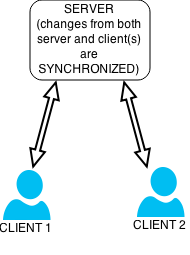
4.Real-Time Data Synchronization561 votes
Maintains up-to-the-second consistency of data between primary and backup systems, minimizing data loss during disasters. Uses technologies like data streaming and change data capture (CDC).
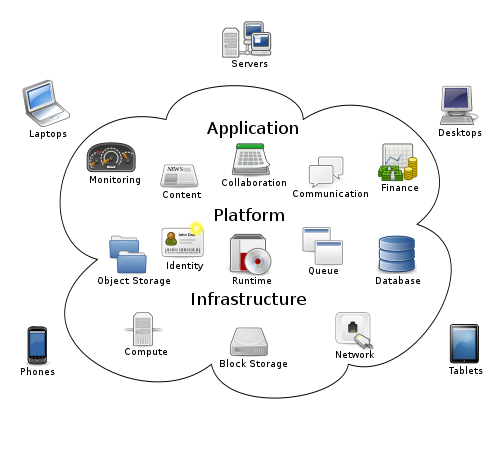
5.Hybrid Cloud DR534 votes
"Hybrid Cloud Disaster Recovery" combines on-premises infrastructure with public cloud resources for more flexible and cost-effective recovery strategies. It allows tailoring DR plans to specific needs.
6.Regular Data Backup and Testing530 votes
Consistent data backups combined with periodic testing of restore procedures guarantee that data can be recovered quickly and reliably when needed.
💡 Ensures data integrity and operational readiness for disaster scenarios
7.Immutable Backups421 votes
Store backups in an unchangeable format that prevents modifications or deletions, safeguarding against ransomware and unauthorized access. Often stored in WORM (Write Once Read Many) storage devices.

8.+Region Failover Testing366 votes
+Region Failover Testing involves regularly simulating switching operations between regions to verify real-world effectiveness of geo-redundant setups. It is a lesser-known but vital practice to ensure reliability.

9.Cross-Cloud Replication308 votes
Distributes data across multiple cloud providers to prevent vendor lock-in and enhance resilience. Offers flexibility and failover options during outages on a single platform.
10.Multi-Region Georedundancy202 votes
Implementing multi-region georedundancy involves replicating data and applications across geographically dispersed data centers to ensure availability even if one region experiences failure.
💡 Supports high availability and compliance with regional data sovereignty laws

11.DR Testing Grid179 votes
A dedicated environment that allows organizations to simulate disaster scenarios regularly without impacting live systems. Ensures preparedness and identifies weaknesses proactively.

12.Snapshot Technology112 votes
Captures the state of a system or data at a specific point in time, enabling quick rollback after failures. Widely used in cloud environments for efficient data recovery.
💡 Early implementations date back to the 1980s with storage solutions like SAN snapshots


