The field of chemistry is rich with diverse elements, each contributing unique properties and behaviors which are fundamental to understanding the physical world. From the reactive nature of alkali metals to the inertness of noble gases, these elements play essential roles in various scientific applications and natural phenomena.

1.Oxygen24972 votes
Oxygen is a crucial element for life on Earth, participating in respiration for most living organisms and combustion processes. It is the most abundant element in the Earth's crust and the third most abundant in the universe, making up 21% of the Earth's atmosphere.
💡 Essential for aerobic respiration and widely used in steelmaking

2.Carbon21708 votes
Carbon is a fundamental building block of life, forming the basis of organic chemistry and a plethora of biological compounds. Its versatile bonding properties enable a vast array of complex molecules, making it integral to not just life but also modern materials such as plastics and nanomaterials.
💡 Forms the basis of all known life, known for its diverse allotropes like diamond and graphite
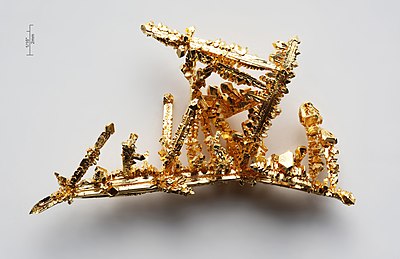
3.Gold18428 votes
Gold is a precious metal renowned for its unique combination of rarity, malleability, and conductivity, making it a prized material for jewelry and electronic applications. Its historical significance as a form of currency also highlights its enduring allure and value throughout human civilization.
💡 Historically used as currency and is often associated with wealth and success

4.Aluminum11057 votes
Aluminum is a lightweight, silvery-white metal known for its durability and resistance to corrosion. It is widely used in various industries, including transportation, packaging, and construction.
💡 Aluminum is the most abundant metal in the Earth's crust and the third most abundant element overall.
5.Mercury9869 votes
Mercury is a heavy, silvery-white liquid metal that is known for its use in thermometers and barometers. It is unique among metals due to its liquid state at room temperature.
💡 Mercury is the only metal that is liquid at normal temperatures and was historically used in medicinal products.
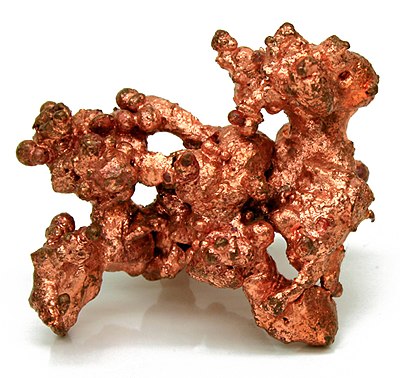
6.Copper9218 votes
Copper is a reddish-brown metal that is highly conductive, making it an essential element in electrical wiring and plumbing. It has been used by humans for thousands of years, known for its malleability and resistance to corrosion.
💡 Copper is one of the few metals that can occur in nature in a directly usable metallic form.
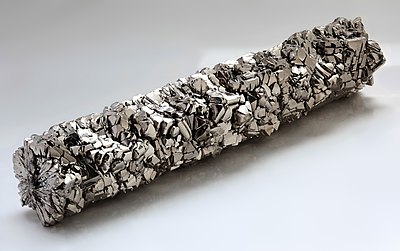
7.Titanium8937 votes
Titanium is a strong, lightweight metal that is valued for its high strength-to-weight ratio and resistance to corrosion. It is widely used in aerospace, medical implants, and as a pigment in paint.
💡 Titanium is often referred to as the 'workhorse of industries' due to its versatility and durability.

8.Zinc7924 votes
Zinc is a bluish-white metal that is primarily used for galvanization to protect iron and steel from corrosion. It plays a crucial role in biological functions and is an essential trace element for human health.
💡 Zinc is key for immune function, and a severe deficiency can lead to significant health issues.

9.Phosphorus7697 votes
Phosphorus is a non-metal element that is essential for life, playing a vital role in energy transfer and genetic material. It exists in several allotropes, including white, red, and black phosphorus.
💡 Phosphorus is a crucial component of DNA, RNA, and ATP, essential for energy transfer in cells.

10.Lead6878 votes
Lead is a heavy and malleable metal with the symbol Pb, known for its high density and resistance to corrosion. Historically used in pipes and paints, its toxicity has led to a decline in its use in many applications.
💡 Lead's toxic nature has been known since ancient times when the Romans used it for plumbing.
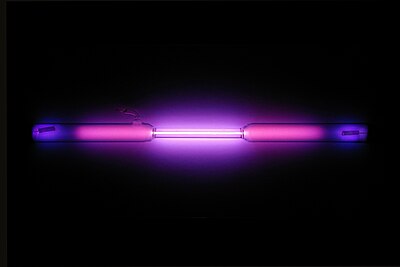
11.Argon5479 votes
Argon is a noble gas that is colorless, odorless, and inert under most conditions, making it ideal for use in welding and as a protective atmosphere for reactive materials. It constitutes about 0.93% of the Earth's atmosphere.
💡 Argon is the third most abundant gas in the atmosphere, after nitrogen and oxygen.

12.Iron5300 votes
Iron is a versatile metal that is widely used in construction and manufacturing due to its strength and ability to withstand corrosion. It is an essential element in the human diet, playing a key role in the formation of hemoglobin in blood.
💡 Iron is the most recycled material in the world, with around 70% of iron and steel produced from recycled sources.
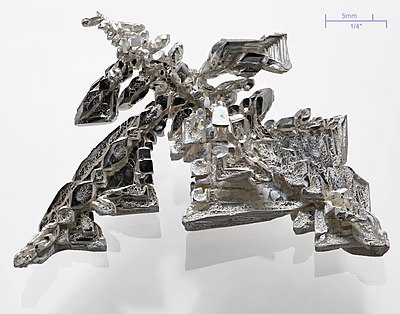
13.Silver3379 votes
Silver is a precious metal known for its high conductivity and aesthetic appeal, making it popular in jewelry and silverware. It also has important industrial applications, including in photography and electronics.
💡 Silver has the highest thermal and electrical conductivity of all metals.

14.Hydrogen2661 votes
Hydrogen is the simplest and most abundant chemical element in the universe, consisting of just one proton and one electron. It plays a crucial role in the chemistry of life and is a key component of water.
💡 Hydrogen is used in fuel cells and as a potential clean fuel source.

15.Neon2140 votes
Neon is a noble gas that is colorless and odorless under standard conditions, primarily known for its use in vibrant neon signs. It is one of the rare elements in the universe and is found in trace amounts in the Earth's atmosphere.
💡 Neon glows a distinct reddish-orange when used in discharge tubes.


