This list highlights some of the most popular and lesser-known dance styles suitable for partner dancing enthusiasts. These styles range from globally recognized to unique regional forms appreciated by insiders.

1.Voguing990 votes
An expressive dance style rooted in the Harlem ballroom scene, characterized by striking poses, angular movements, and fluid gestures. It gained mainstream popularity through the documentary 'Paris Is Burning' and the rise of Vogue magazine.
💡 Became a global phenomenon after Madonna's 1990 hit 'Vogue.'

2.Kizomba973 votes
A sensual dance originating from Angola featuring slow, deliberate movements matched to viral music beats.
💡 Gained global popularity in the early 2010s as a partner dance with spiritual roots in traditional Angolan styles.
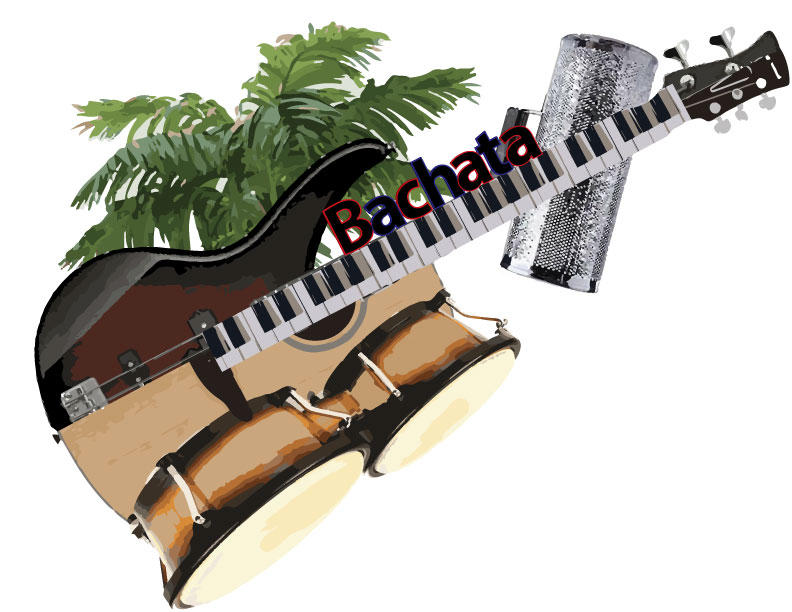
3.Bachata913 votes
A sensual Dominican dance style focusing on intimate hip movements and simple partner footwork.
💡 Became internationally recognized in the early 2000s, notably popularized by artists like Romeo Santos.

4.Foxtrot669 votes
A smooth, progressive dance characterized by long, continuous flowing movements often performed to big band music.
💡 Popularized in the 1910s by Harry Fox.

5.Zouk592 votes
A sensual Caribbean dance originating from the French Antilles, known for its flowing movements and rhythmic body isolations. It has influenced many modern Latin and club dances.
💡 'Zouk Love,' a slow version, gained international popularity in the early 2000s.
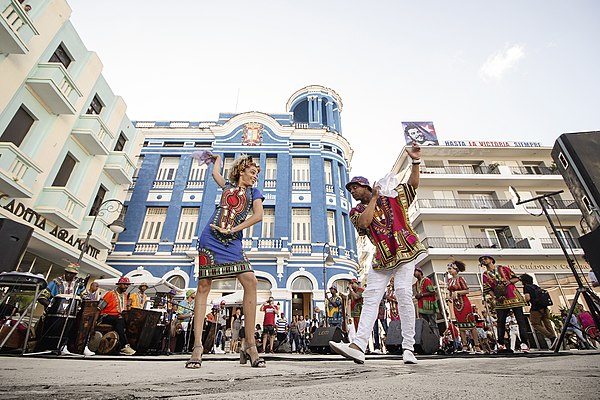
6.Rumba478 votes
A slow, romantic Latin dance emphasizinghip motion, often considered the mother of Latin ballroom dances.
💡 Originated in Cuba in the late 19th century and became a major international ballroom dance genre.

7.Salsa447 votes
A lively, rhythmic dance originating from Caribbean Latin America, popular worldwide with various regional styles like Cuban and Colombian salsa.
💡 Developed in the 1970s in New York City from earlier Latin dance forms.

8.Cha Cha Cha393 votes
A lively Latin dance with syncopated steps, known for its playful and flirtatious rhythm.
💡 Emerging in the 1950s in Cuba, it became a staple in Latin dance competitions.

9.Tango (International Style)285 votes
An elegant and dramatic ballroom adaptation of Argentine tango, emphasizing precise steps and controlling posture.
💡 Standardized as a competitive ballroom dance by world agencies in the early 20th century.

10.Viennese Waltz272 votes
A faster-paced version of the waltz with rapid spins, known for its graceful form and quick rotations.
💡 Became an official Austrian dance in the 19th century and remains a symbol of Viennese culture.

11.Lindy Hop272 votes
Originating from Harlem in the late 1920s, Lindy Hop is an energetic swing dance known for aerials, kicks, and improvisation. It played a pivotal role in the development of modern jazz dance styles.
💡 'Lindy Hop' was named after Charles Lindbergh's transatlantic flight in 1927, symbolizing innovation and adventure in dance.
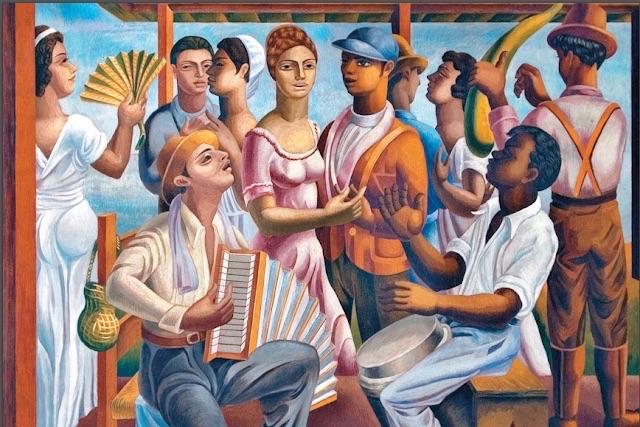
12.Merengue234 votes
A lively Dominican dance featuring simple side-to-side hip movements and marching steps. It is widely popular across Latin America and in ballroom dance competitions.
💡 Traditional form dates back to the 19th century; recognized by UNESCO as an Intangible Cultural Heritage of Humanity.

13.Waltz159 votes
A traditional ballroom dance characterized by smooth, gliding steps in triple time, exuding elegance and grace.
💡 First appeared in Vienna around the late 18th century and remains a standard in ballroom competitions.

14.Samba159 votes
A lively Brazilian dance with syncopated steps and energetic movements, often performed to samba music. It is a staple in Latin ballroom dancing and carnival celebrations.
💡 Originated in early 20th century Brazil, blending African rhythms with European dance forms.

15.Quickstep133 votes
A fast-paced ballroom dance characterized by lively steps and hops, combining elements of foxtrot and jazz dance. It emphasizes agility and quick footwork.
💡 Developed in the 1920s in London, popularized by Fred Astaire.


