This list highlights the most popular authors from various countries, reflecting both historical significance and current literary influence. The authors selected are renowned within their native cultures and have made substantial contributions to global literature, making them notable figures worth exploring beyond mainstream choices.
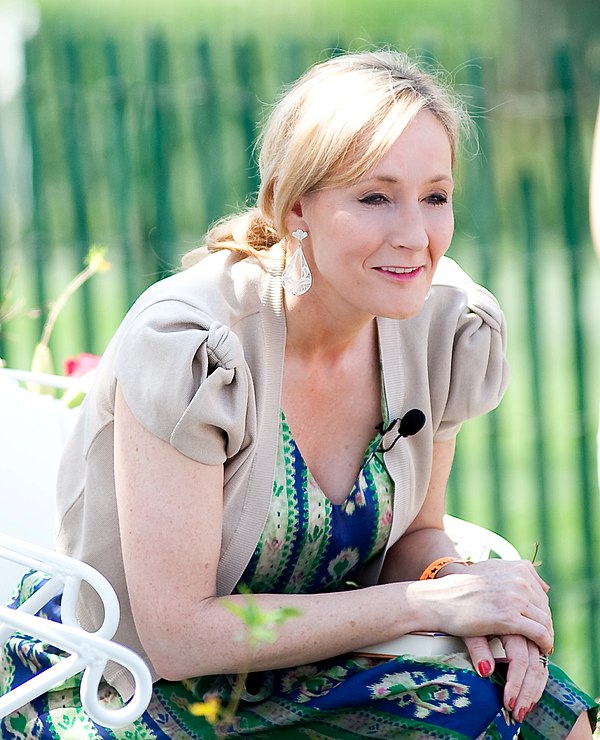
1.J.K. Rowling10158 votes
J.K. Rowling is a British author best known for creating the Harry Potter series, which has become a global phenomenon. Her books have been translated into numerous languages and adapted into a blockbuster film franchise.
💡 She was the first billionaire author, though she later donated much of her wealth to charity.

2.Haruki Murakami9830 votes
A celebrated Japanese author known for blending magical realism with contemporary themes, Murakami's works have achieved international acclaim. His distinctive narrative style and exploration of loneliness and existential questions have garnered a global readership.
💡 His novel 'Norwegian Wood' is one of Japan's best-selling books, and he has been a finalist for the Nobel Prize in Literature multiple times.
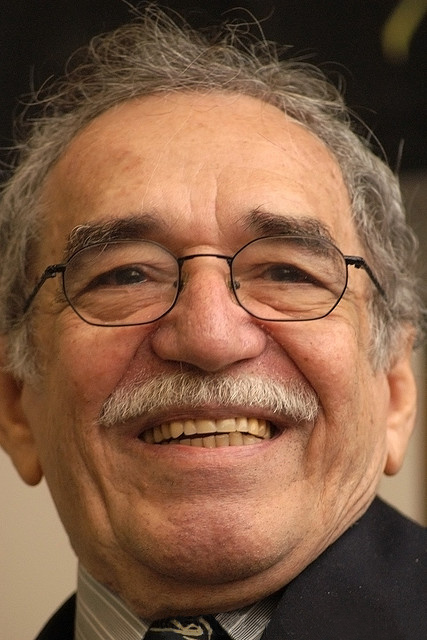
3.Gabriel García Márquez9172 votes
Colombian novelist Gabriel García Márquez pioneered magical realism, blending fantastical elements with real-world settings. His seminal work 'One Hundred Years of Solitude' is heralded as one of the greatest achievements in modern literature.
💡 His works have inspired countless writers and have been translated into dozens of languages, solidifying his legacy worldwide.
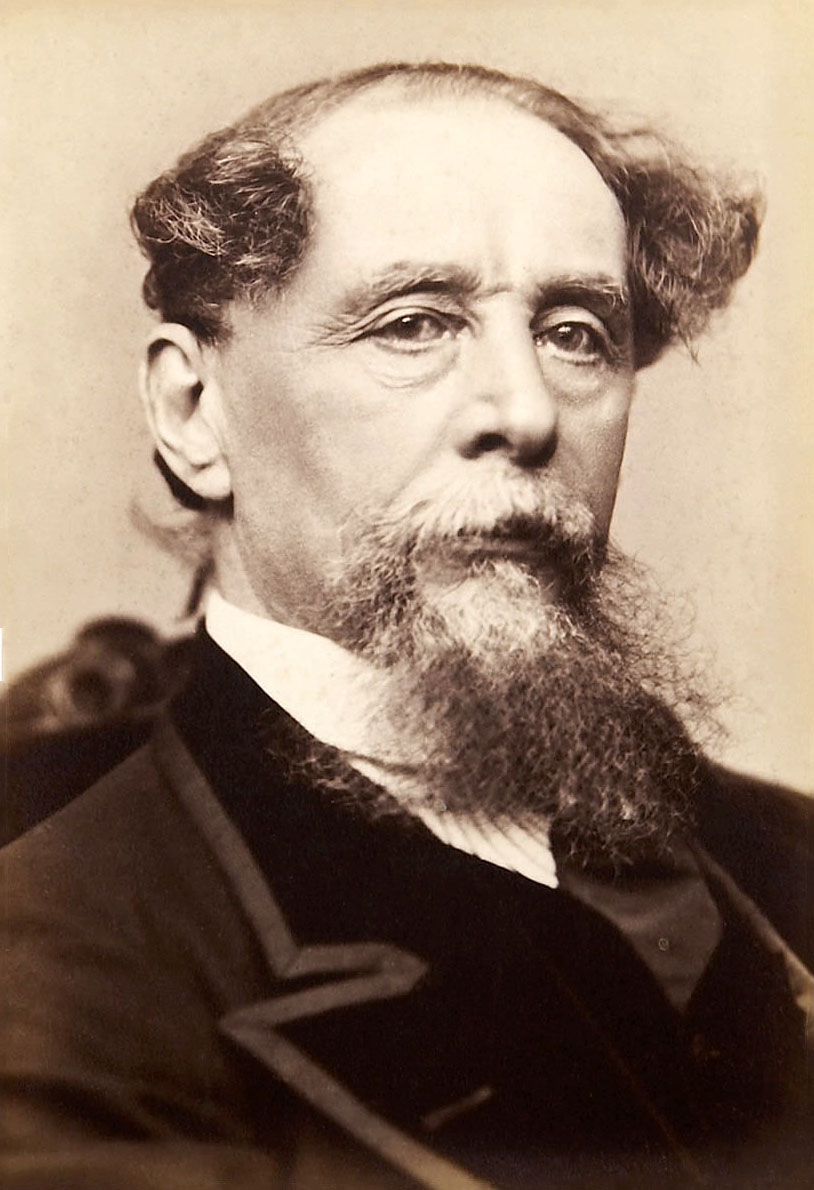
4.Charles Dickens8998 votes
Charles Dickens was a prolific English novelist of the Victorian era, renowned for his vivid characters and social commentary. His works, such as 'A Tale of Two Cities' and 'Great Expectations,' remain widely read today.
💡 His novels often highlighted social inequalities and pushed for reform during the 19th century.

5.Jane Austen8272 votes
An iconic English novelist celebrated for her keen social commentary and timeless romantic fiction, Austen's works continue to captivate readers centuries after their initial publication. Her novels explore themes of love, class, and morality with wit and insight.
💡 Her novels, including 'Pride and Prejudice' and 'Sense and Sensibility,' consistently rank among the most loved books worldwide.
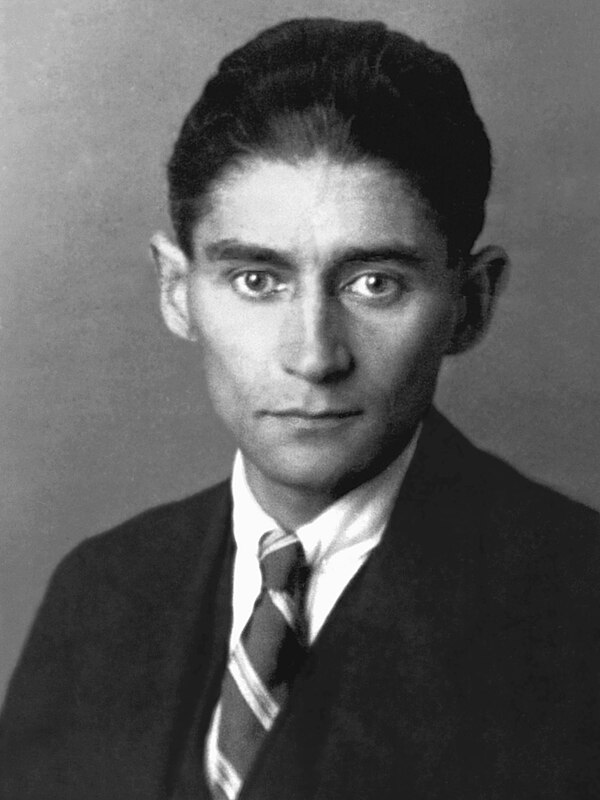
6.Franz Kafka6849 votes
Franz Kafka was a Bohemian novelist known for his surreal and existential works, including 'The Metamorphosis' and 'The Trial.' His writing explores themes of alienation, guilt, and bureaucratic absurdity.
💡 Kafka's work was published posthumously and he requested his manuscripts to be destroyed, which was not followed.

7.Isabel Allende4669 votes
Isabel Allende is a Chilean-American writer celebrated for her magical realism and family sagas. Her best-known work, 'The House of the Spirits,' combines political history with personal stories.
💡 She was married to writer Miguel Frías and has been an advocate for human rights and social justice.

8.Mario Vargas Llosa4332 votes
Mario Vargas Llosa is a Peruvian writer and Nobel laureate known for his complex narratives and political themes. His notable works include 'The Time of the Hero' and 'Conversation in the Cathedral.'
💡 He was actively involved in political life in Peru and ran for president in 1990.

9.Zadie Smith3904 votes
Zadie Smith is a British novelist and essayist acclaimed for her vibrant narratives and sharp social insights. Her debut novel, 'White Teeth,' broke literary records and explores multicultural London.
💡 She is also known for her essays and contributions to contemporary literary debates.

10.Naguib Mahfouz3011 votes
Naguib Mahfouz was an Egyptian novelist and Nobel laureate famed for his rich portrayal of Egyptian society. His most influential work, 'The Cairo Trilogy,' depicts life in Cairo across generations.
💡 He was the first Arabic-language writer to win the Nobel Prize in Literature, in 1988.

11.Lu Xun1660 votes
Lu Xun was a Chinese writer and essayist considered one of the most influential figures in modern Chinese literature. His sharp social critiques and pioneering storytelling helped shape 20th-century Chinese intellectual thought.
💡 His real name was Zhou Shuren; he was also a translator and editor advocating for cultural reform.

12.Leo Tolstoy1323 votes
Leo Tolstoy was a Russian author renowned for his epic novels like 'War and Peace' and 'Anna Karenina'. His works explore themes of morality, spirituality, and human nature and have had a profound influence on literature worldwide.
💡 Tolstoy was also a moral thinker and social reformer, advocating for nonviolent resistance.

13.Chinua Achebe629 votes
Chinua Achebe was a Nigerian novelist and critic acclaimed for his groundbreaking novel 'Things Fall Apart'. He is regarded as the father of African literature in English, highlighting post-colonial themes and Igbo culture.
💡 His work challenged Western stereotypes of Africa and provided a voice for African perspectives.


