This list features a curated selection of the most influential and beloved books that have shaped the landscape of literature. From timeless classics to modern masterpieces, each title resonates with readers and reflects the diversity of human experience and creativity.

1.To Kill a Mockingbird52637 votes
Harper Lee's poignant novel, set in the Deep South during the 1930s, tackles themes of racial injustice and moral growth through the eyes of young Scout Finch. Its powerful narrative continues to resonate, prompting discussions about ethics and empathy in society.

2.198448614 votes
George Orwell's dystopian novel envisions a totalitarian future where surveillance and oppressive regimes eradicate personal freedoms and individuality. Through the chilling experiences of Winston Smith, it serves as a cautionary tale about the dangers of authoritarianism.

3.Pride and Prejudice42896 votes
Jane Austen's beloved novel intricately explores themes of love, class, and social expectations in Regency-era England through the lens of Elizabeth Bennet. Its wit, humor, and rich characterizations have endeared it to readers for generations.
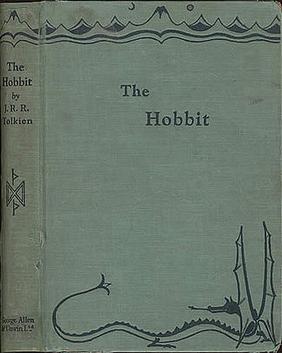
4.The Hobbit10054 votes
J.R.R. Tolkien's fantasy novel follows the journey of Bilbo Baggins, who is thrust into an adventure filled with dragons, treasure, and unexpected friendships. It serves as a prelude to the epic 'The Lord of the Rings' series.

5.The Brothers Karamazov9529 votes
In this philosophical novel by Fyodor Dostoevsky, the complex relationships between family members reflect deep existential questions and moral dilemmas. It is often regarded as one of the greatest achievements in literature.

6.War and Peace9430 votes
This epic novel by Leo Tolstoy intertwines the lives of several families against the backdrop of the Napoleonic Wars. It explores profound themes of free will, fate, and the nature of history.

7.The Great Gatsby9037 votes
F. Scott Fitzgerald's classic novel explores themes of decadence, idealism, resistance to change, social upheaval, and excess during the 1920s in America. The story follows the enigmatic Jay Gatsby and his pursuit of the American Dream.

8.The Catcher in the Rye8938 votes
J.D. Salinger’s novel captures the angst and alienation of teenage life through the voice of Holden Caulfield, a disenchanted youth navigating New York City. Its themes of identity, belonging, and loss resonate with readers across generations.

9.The Picture of Dorian Gray8527 votes
This novel by Oscar Wilde delves into themes of aestheticism and moral duplicity, as it follows Dorian Gray, a young man who wishes for eternal youth. As he sinks deeper into a life of hedonism, a portrait of him bears the consequences of his actions.

10.Fahrenheit 4517671 votes
Ray Bradbury's dystopian novel explores a future where books are banned and 'firemen' burn any that are found. It prompts readers to reflect on censorship, the power of knowledge, and the consequences of a superficial society.
11.The Great Expectations7580 votes
Charles Dickens' coming-of-age novel explores themes of social class and personal ambition through the life of an orphan named Pip. Its rich characters and vivid storytelling make it a classic of English literature.

12.Jane Eyre7558 votes
Charlotte Brontë's novel tells the story of an orphaned girl who overcomes hardships to become a governess and find love with the brooding Mr. Rochester. The narrative delves deep into themes of morality, social criticism, and the quest for self-respect.

13.Moby Dick7202 votes
Herman Melville's epic tale follows Captain Ahab's obsessive quest to seek revenge on Moby Dick, the giant white whale that destroyed his ship and severed his leg. It explores complex themes such as fate, free will, and the struggle between man and nature.

14.Brave New World6884 votes
Aldous Huxley's dystopian novel presents a future where society is obsessed with consumerism and technological advancement. It poses critical questions about individuality, freedom, and the cost of progress.


