This list highlights the most prevalent diseases affecting human populations worldwide, shedding light on their impact on public health. Understanding these common illnesses is essential for healthcare professionals, policymakers, and individuals alike to foster awareness and initiate preventive measures.

1.Alzheimer's Disease10684 votes
Alzheimer's disease is a progressive neurological disorder that leads to memory loss, cognitive decline, and eventual loss of the ability to perform everyday activities. It is the most common cause of dementia among older adults.

2.Cardiovascular Diseases9396 votes
Cardiovascular diseases (CVDs) remain the leading cause of death globally, encompassing a wide range of heart-related conditions including heart attacks and strokes. These diseases are often linked to lifestyle factors such as poor diet, lack of exercise, and smoking, making prevention and management critical.

3.Arthritis9236 votes
Arthritis refers to a group of over 100 conditions that cause joint pain, stiffness, and swelling, affecting millions worldwide. The two most common types are osteoarthritis and rheumatoid arthritis, both of which can significantly impair mobility.
4.Cancer9096 votes
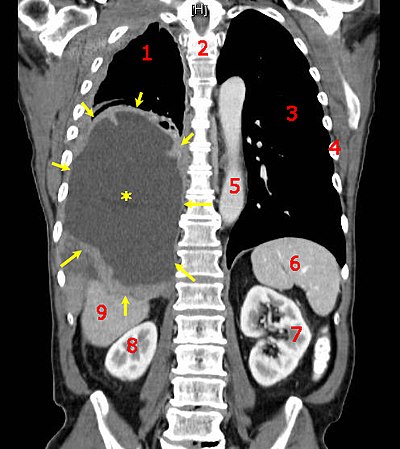
Cancer is a group of diseases characterized by the uncontrolled growth and spread of abnormal cells in the body. If not treated, cancer can result in death and is one of the leading causes of morbidity worldwide.

5.Asthma8715 votes
Asthma is a chronic condition that affects the airways in the lungs, leading to wheezing, shortness of breath, chest tightness, and coughing. It can be triggered by allergens, environmental factors, and stress, requiring ongoing management.

6.Respiratory Diseases7461 votes
Respiratory diseases, including asthma, chronic obstructive pulmonary disease (COPD), and pneumonia, affect millions of individuals and can lead to severe complications if left untreated. Environmental factors, smoking, and allergens contribute significantly to the prevalence of these conditions, making awareness and prevention vital.

7.Hepatitis7365 votes
Hepatitis is an inflammation of the liver, typically caused by viral infections, toxic substances, or autoimmune diseases. Chronic hepatitis can lead to serious complications such as cirrhosis and liver cancer.

8.Obesity6789 votes
Obesity is a complex disease characterized by an excess of body fat, which can lead to numerous health issues such as heart disease, diabetes, and certain cancers. It is often influenced by a combination of genetic, environmental, and behavioral factors.

9.Influenza6620 votes
Influenza, commonly known as the flu, is a contagious respiratory illness caused by influenza viruses. It can cause mild to severe illness and can lead to hospitalization and even death, particularly in vulnerable populations.

10.Diabetes6574 votes
Diabetes is a chronic condition characterized by elevated blood sugar levels and is classified into Type 1 and Type 2 diabetes. Its rising incidence is alarming, with lifestyle choices and genetic factors playing crucial roles in its development and management.

11.Kidney Disease6323 votes
Kidney disease encompasses a range of conditions affecting kidney function, leading to the accumulation of waste products in the body. Chronic kidney disease may progress to kidney failure, requiring dialysis or transplantation for survival.

12.Stroke5650 votes
A stroke occurs when the blood supply to a part of the brain is interrupted or reduced, preventing brain tissue from getting oxygen and nutrients. It can lead to permanent brain damage, long-term disability, or death if not treated quickly.

13.Parkinson's Disease5566 votes
Parkinson's disease is a progressive neurological disorder that affects movement control, often characterized by tremors, stiffness, and balance issues. It results from the degeneration of dopamine-producing neurons in the brain.
14.Chronic Respiratory Diseases4965 votes
Chronic respiratory diseases, such as chronic obstructive pulmonary disease (COPD) and asthma, primarily affect the airways and lungs. These diseases cause breathing difficulties and can lead to serious health complications.

15.Tuberculosis4111 votes
Tuberculosis (TB) is a potentially serious infectious disease that mainly affects the lungs, but can also affect other parts of the body. It is caused by the bacterium Mycobacterium tuberculosis, which spreads through the air when an infected person coughs or sneezes.


