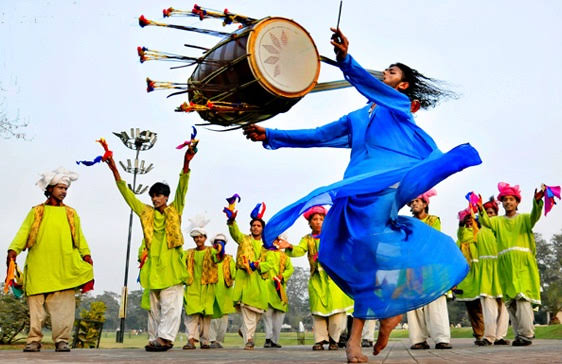
This list highlights some of the most worldwide recognized festivals and celebrations that bring people together to observe cultural, religious, or seasonal events. These festivals often feature unique traditions, rituals, music, and food that showcase human diversity and collective joy across different regions and communities.

1.Carnival (Rio de Janeiro)25168 votes
The Rio Carnival is one of the largest and most famous festivals in the world, renowned for its vibrant parades, elaborate costumes, and lively samba music. It symbolizes Brazilian culture and attracts millions of visitors annually to experience its exuberant festivities.
💡 The carnival has roots dating back to the 18th century, blending European, African, and indigenous traditions.

2.Diwali19646 votes
Diwali, also known as the Festival of Lights, is a major Hindu celebration marking the victory of light over darkness and good over evil. It involves lighting lamps, fireworks, feasting, and sharing of sweets, deeply rooted in Indian culture and religious tradition.
💡 Diwali dates vary each year but generally fall between October and November.

3.Halloween15347 votes
Halloween is a globally recognized celebration of spooky fun, costumes, and trick-or-treating, originating from ancient Celtic festivals. It has evolved into a modern holiday characterized by themed parties, haunted houses, and community gatherings centered around eerie entertainment.
💡 In the US alone, billions of dollars are spent annually on costumes, candy, and decorations.

4.Lunar New Year10614 votes
Lunar New Year is a traditional festival celebrated in many East Asian cultures, including China, Korea, and Vietnam, marking the beginning of the new lunar calendar year. It features fireworks, family reunions, and cultural performances.
💡 The date varies each year but typically falls between late January and mid-February.
5.Hanami9782 votes
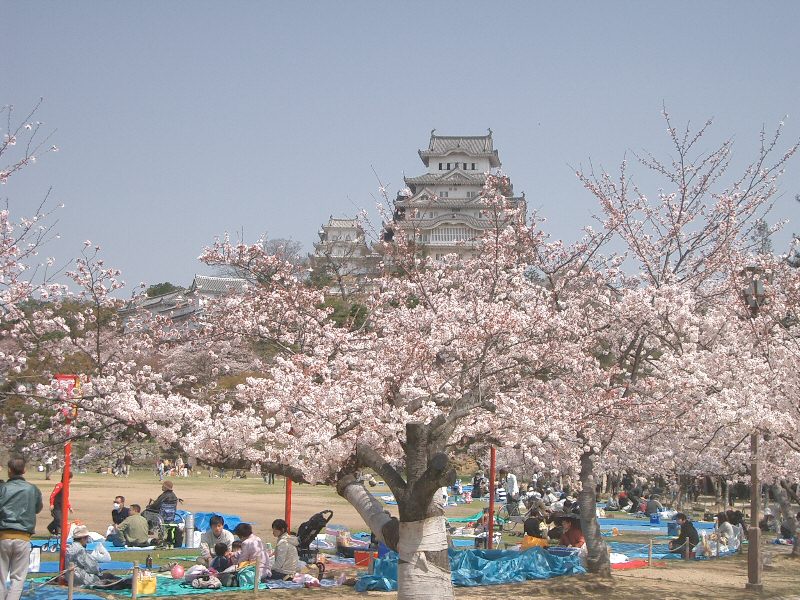
Hanami is the Japanese traditional custom of enjoying the transient beauty of cherry blossoms, usually in spring. People gather in parks for picnics beneath blooming sakura trees to celebrate nature's fleeting beauty.
💡 The timing of hanami varies with cherry blossom blooming patterns each year.
6.Chinese New Year9525 votes
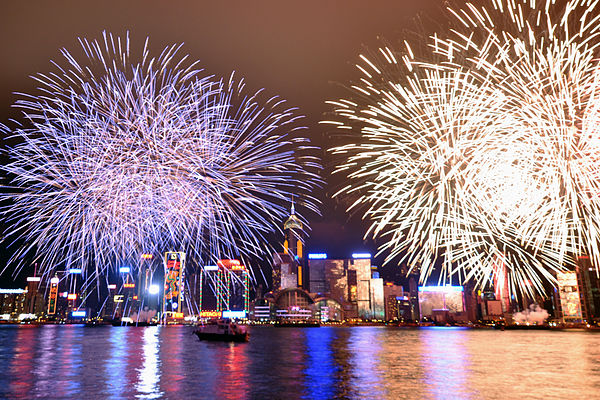
Celebrated predominantly in China and in Chinese communities worldwide, Chinese New Year marks the beginning of the lunar new year. It features dragon dances, fireworks, family reunions, and the giving of red envelopes with money for good luck.
💡 Known as Spring Festival, it is one of the oldest and most important traditional festivals in China, dating back over 3,000 years.

7.Oktoberfest8421 votes
Oktoberfest is the world's largest Volksfest held annually in Munich, Germany, celebrating Bavarian culture with beer, traditional foods, and music. It attracts millions of visitors from around the globe to enjoy festivities that last for about two weeks.
💡 Oktoberfest began in 1810 to celebrate the Bavarian crown prince's wedding and has since become an international symbol of Bavarian culture.

8.Makar Sankranti8035 votes
Makar Sankranti is a Hindu festival celebrated across India marking the end of winter and the beginning of longer days. It is associated with kites, giving thanks for harvest, and rituals to worship Surya, the Sun God.
💡 Celebrated in different regions under various names like Pongal in Tamil Nadu and Maghi in northern India.

9.Mardi Gras7955 votes
Mardi Gras, meaning 'Fat Tuesday' in French, is celebrated with grand parades, elaborate masks, and parties in New Orleans and elsewhere. It marks the last day of indulgence before Lent in the Christian calendar.
💡 Mardi Gras traditions in New Orleans date back to the early 18th century and feature world-famous parades and balls.

10.Notting Hill Carnival7141 votes
Held annually in London, England, the Notting Hill Carnival celebrates Caribbean culture with lively music, dance, and street parades. It is Europe's biggest street festival and showcases diverse cultural expressions.
💡 Started in 1966 as a celebration of Caribbean heritage, it has grown into a major cultural event with millions attending.

11.Hanukkah6934 votes
Hanukkah, also known as the Festival of Lights, is an eight-day Jewish celebration commemorating the rededication of the Second Temple in Jerusalem. It is marked by lighting the menorah, playing dreidel, and eating traditional foods like latkes and sufganiyot.
💡 Hanukkah's date varies each year, based on the Hebrew calendar, and it has gained cultural popularity beyond religious observance.

12.Day of the Dead6821 votes
Celebrated primarily in Mexico, the Day of the Dead is a colorful holiday honoring deceased loved ones with altars, sugar skulls, and traditional foods. It emphasizes remembrance and celebration of life and death.
💡 It coincides with All Saints' Day and All Souls' Day, blending indigenous and Catholic traditions.

13.Harbin Ice and Snow Festival6208 votes
This winter festival in Harbin, China, features massive ice and snow sculptures, ice lanterns, and winter activities attracting artists and tourists from around the world. It usually runs from January through February.
💡 The sculptures are often illuminated at night, creating a fairy-tale winter wonderland.

14.Obon Festival5509 votes
Obon is a Japanese Buddhist festival to honor the spirits of ancestors, traditionally celebrated with folk dances called Bon Odori. It features lantern lighting, visiting family graves, and community celebrations.
💡 Obon is believed to be the time when ancestral spirits return to the world of the living, occurring during mid-July or August depending on the region.
15.Carnaval de Barranquilla4566 votes
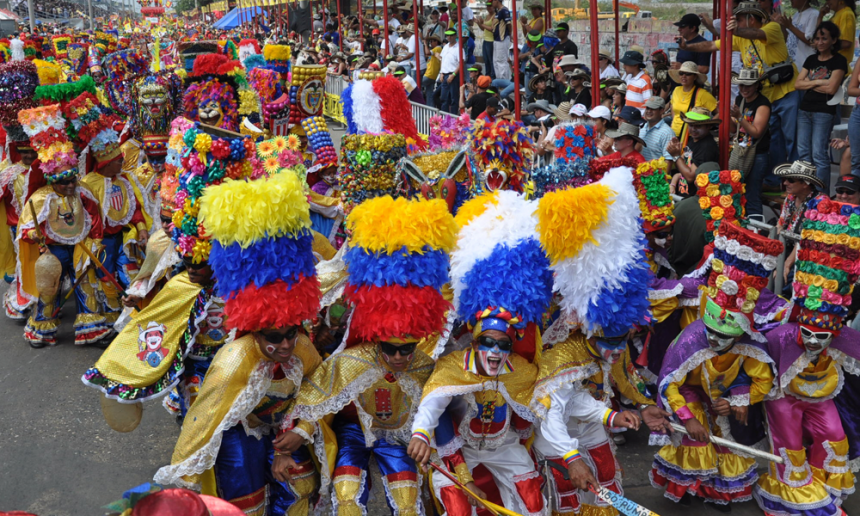
The Barranquilla Carnival in Colombia is a vibrant, UNESCO-recognized festival featuring parades, traditional music, dancing, and colorful costumes. It celebrates cultural heritage and has roots dating back over a century.
💡 It is considered one of the most important folkloric celebrations in Latin America.