This list explores the most popular music genres that have captivated audiences worldwide, reflecting cultural movements and artistic expression. Each genre has its unique sound and influence, shaping the way we experience music and connect with one another.

1.Pop10498 votes
Pop music is characterized by its catchy melodies and widespread appeal, often topping charts globally. It continuously evolves, incorporating diverse influences and trends, making it a staple of contemporary music culture.
💡 The term 'pop music' originated in the 1950s but has roots tracing back to earlier styles such as big band and rock and roll.

2.Country9708 votes
Country music originated in the southern United States in the early 20th century, blending folk, bluegrass, and blues influences. It's characterized by its storytelling lyrics and melodic tunes, often focusing on life's challenges and heartwarming tales.
💡 Dolly Parton has won 10 Grammy Awards throughout her career, showcasing her significant impact on the genre.

3.Metal9324 votes
Metal is a genre of rock music characterized by heavy use of distorted electric guitars, aggressive drumming, and powerful vocals. It emerged in the late 1960s and early 1970s, drawing influences from blues and psychedelic rock.
💡 Heavy metal often incorporates dark themes and is known for its energetic performances.

4.Rock8567 votes
Rock music emerged in the 1950s and has since become a fundamental genre, known for its energetic performances and innovative sound. It encompasses a multitude of subgenres, each contributing to its rich history and cultural impact.
💡 Rock music played a crucial role in social movements, particularly during the 1960s and 1970s.

5.Hip Hop8369 votes
Hip hop is a dynamic genre rooted in urban culture and often characterized by rhythmic speech and DJing. It has grown from a marginalized form of expression to a prominent cultural force, influencing fashion, language, and social issues.
💡 Hip hop is one of the most commercially successful music genres worldwide, with artists frequently topping charts and breaking records.

6.Blues7943 votes
Blues music originated in the African American communities of the Deep South in the United States around the end of the 19th century. It is characterized by its expressive melodies and the use of the twelve-bar blues chord progression.
💡 Blues is often considered a precursor to other music genres, including jazz and rock.
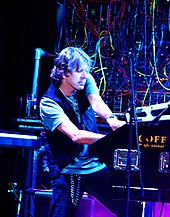
7.Electronic7834 votes
Electronic music encompasses a wide range of genres that primarily involve the use of electronic devices and technology in its production. From ambient to techno, this genre creates innovative soundscapes that continue to push musical boundaries.
💡 Kraftwerk, often considered the pioneers of electronic music, released their first album in 1970.

8.Reggae7823 votes
Reggae originated in Jamaica in the late 1960s and features a distinctive offbeat rhythm and socially conscious lyrics. It often addresses issues of love, peace, and social justice, with Bob Marley being one of the genre's most influential artists.
💡 Bob Marley's album 'Legend' remains one of the best-selling reggae albums of all time.

9.R&B7600 votes
Rhythm and blues (R&B) originated in the 1940s and combines jazz, gospel, and blues influences. It primarily focuses on soulful vocal styles and the use of funk and hip-hop elements.
💡 R&B has evolved significantly over the decades, shaping the sound of contemporary pop music.
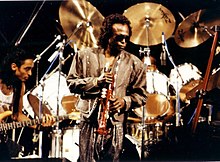
10.Jazz5885 votes
Jazz is a genre that originated in the African-American communities of New Orleans in the late 19th and early 20th centuries, noted for its improvisational style and complex rhythms. It incorporates elements from African rhythms, blues, and European music traditions.
💡 Louis Armstrong is considered one of the most influential figures in jazz history, known for his virtuosic trumpet playing and distinctive gravelly voice.

11.Punk5276 votes
Punk rock emerged in the 1970s as a fast-paced and rebellious music genre characterized by its raw sound and anti-establishment lyrics. It often features short songs and simple melodies with a DIY ethos.
💡 Punk has influenced countless other genres and subcultures, notably in fashion and political movements.

12.Classical5226 votes
Classical music is art music that is rooted in the traditions of Western culture, encompassing a broad span from roughly the 9th century to the present day. It includes a range of styles and forms, from orchestral compositions to chamber music.
💡 The term 'classical music' is often mistakenly applied to all Western art music, but it specifically refers to the Western canon originating from the 18th and 19th centuries.

13.Indie3960 votes
Indie music is defined by its independent production and distribution, often associated with an alternative and non-mainstream sound. It encompasses various genres including rock, pop, and folk, emphasizing artistic freedom.
💡 The rise of digital technology has enabled many artists to produce and share their music independently.

14.Folk2704 votes
Folk music is a genre that encompasses traditional music from various cultures, often characterized by acoustic instruments and storytelling. It often reflects the social and cultural aspects of a region.
💡 Folk music gained significant popularity during the 1960s folk revival, leading to greater awareness of social issues.

15.Gospel2234 votes
Gospel music is a genre of Christian music characterized by its use of religious themes and uplifting messages. It incorporates various styles, including hymns, spirituals, and contemporary Christian music.
💡 Gospel has had a significant impact on numerous other genres, including soul and rock music.
