Explore the enigmatic allure of some of the world's most captivating mystery places, where the unknown and the extraordinary intertwine. These destinations, steeped in lore and wonder, invite adventurers and seekers of the bizarre to uncover the secrets they hold.

1.The Great Pyramid of Giza24929 votes
The Great Pyramid of Giza is the oldest of the Seven Wonders of the Ancient World and the only one to remain largely intact. Built as a tomb for the Pharaoh Khufu, it is an astounding architectural achievement that continues to intrigue historians and archaeologists.
💡 Originally, it stood at 146.6 meters (481 feet), making it the tallest human-made structure in the world for over 3,800 years.
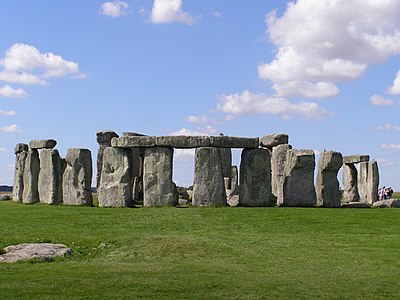
2.Stonehenge24658 votes
This prehistoric monument in England is one of the most famous landmarks in the world, shrouded in centuries of mystery and thought to be a burial site as well as a place of astronomical significance. Its massive stone circle continues to baffle experts regarding its origins and purpose, making it a focal point for mystery enthusiasts.
💡 Aligned with the movements of the sun, Stonehenge is thought to have been used for ancient rituals and ceremonies.

3.The City of Petra22587 votes
Petra is an archaeological site in southern Jordan famous for its rock-cut architecture and water conduit system. Once a thriving trading hub, it is often referred to as the 'Rose City' for the color of the stone from which it is carved.
💡 It was rediscovered in 1812 by Swiss explorer Johann Ludwig Burckhardt after being largely forgotten by the western world.

4.Easter Island21164 votes
Known for its moai statues, Easter Island is one of the most isolated inhabited islands in the world, raising questions about the civilization that created these massive stone figures and their mysterious disappearance. It is a UNESCO World Heritage site that intrigues visitors with its history and the enduring question of how the island's resources were managed.
💡 The island is home to nearly 900 moai statues, with some weighing up to 75 tons.

5.The Colosseum20570 votes
The Colosseum in Rome, Italy, is an ancient amphitheater that was used for gladiatorial contests and public spectacles. Its impressive architectural design and historic significance make it one of the most iconic landmarks of ancient Rome.
💡 It could hold up to 80,000 spectators and featured intricate systems for staging elaborate performances.

6.Teotihuacan20567 votes
Teotihuacan is an ancient Mesoamerican city located in Mexico, known for its massive pyramids, including the Pyramid of the Sun and the Pyramid of the Moon. This city was one of the largest urban centers in the ancient world and remains a subject of study for its complex society.
💡 At its peak around 500 AD, it is estimated to have had a population of over 100,000.

7.Area 5118883 votes
This highly classified U.S. Air Force facility in Nevada has long been associated with extraterrestrial activity and covert military installations, fueling numerous conspiracy theories regarding UFO sightings and alien technology. Its secretive nature and restricted access make it a source of intrigue for conspiracy believers and adventure seekers alike.
💡 Area 51 has been the subject of numerous conspiracy theories about government cover-ups and UFO sightings.

8.Stone Forest16577 votes
The Stone Forest, or Shilin, is a notable geological formation located in Yunnan, China, characterized by tall limestone formations resembling petrified trees. These dramatic rock formations are a result of erosion and have led to a diverse ecosystem in the region.
💡 It is considered a UNESCO World Heritage site due to its unique geological formations.

9.Chichen Itza15997 votes
Chichen Itza is a large pre-Columbian archaeological site built by the Maya civilization in Mexico. Its iconic pyramid, El Castillo, serves as a testament to the architectural and astronomical advancements of the ancient Maya.
💡 It was one of the largest cities in the Maya civilization and played a crucial role in regional trade and politics.

10.Machu Picchu15463 votes
This iconic Incan citadel set high in the Andes Mountains is renowned for its sophisticated dry-stone construction and intriguing history. Often referred to as the 'Lost City of the Incas,' Machu Picchu reveals the architectural prowess of the Inca civilization.
💡 Machu Picchu was brought to international attention in 1911, although it had been known to local indigenous people for centuries.

11.The Loch Ness13799 votes
Loch Ness is a large, deep freshwater loch in the Scottish Highlands, famously associated with the legend of the Loch Ness Monster. This mythical creature has captivated the imagination of millions, as sightings continue to be reported.
💡 Despite extensive investigations, no conclusive evidence of the monster has ever been found.
12.Eldorado13552 votes
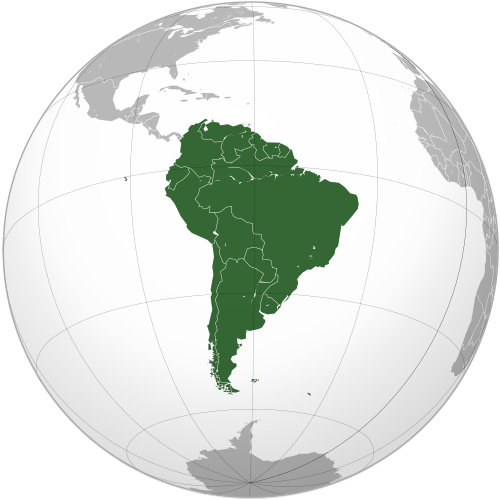
Eldorado is a legendary city of gold sought by European explorers in the Americas, symbolizing humanity's incessant pursuit of wealth. It is often associated with various indigenous myths that described a king or tribe that adorned themselves in gold.
💡 Despite numerous expeditions, Eldorado has never been conclusively found, leading to its status as a symbol of unattainable riches.

13.The Lost City of Atlantis13380 votes
Atlantis is a mythological island mentioned in the works of Plato, often depicted as a utopian civilization that succumbed to a catastrophic disaster. Although considered a legend, its story has inspired countless theories and explorations for centuries.
💡 The tale of Atlantis has prompted numerous searches and archaeological expeditions, but it has yet to be proven real.

14.The Bermuda Triangle11267 votes
This infamous region in the western part of the North Atlantic Ocean is known for the mysterious disappearance of aircraft and ships. Various theories abound, from natural phenomena to paranormal activity, fueling speculation and intrigue.
💡 Some authors have argued that the area has a higher than average number of unexplained incidents than other heavily trafficked regions.

15.Nazca Lines8779 votes
The Nazca Lines are a series of ancient geoglyphs located in the Nazca Desert of southern Peru, depicting various animals and shapes. Their purpose remains a mystery, with theories ranging from astronomical calendars to religious ceremonies.
💡 The largest figures can be up to 1,200 feet long and can only be fully appreciated from the air.


