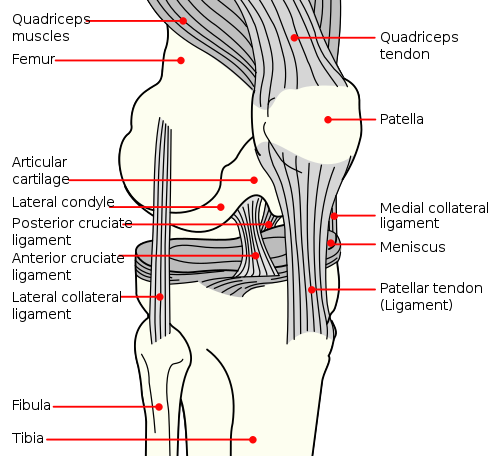
This list offers the most effective strategies for recovering from sports injuries, focusing on proper methods to facilitate healing, reduce pain, and prevent future issues. It emphasizes the importance of timely intervention, appropriate treatments, and safe recovery practices to help athletes return to optimal performance.

1.Rest and Avoid Aggravating Activities12779 votes
Allowing sufficient rest is crucial to prevent further injury and promote healing. Athletes should avoid activities that cause pain or strain the injured area during the initial recovery phase.
💡 Resting targeted muscle groups helps speed up the healing process and reduces the risk of compensatory injuries.
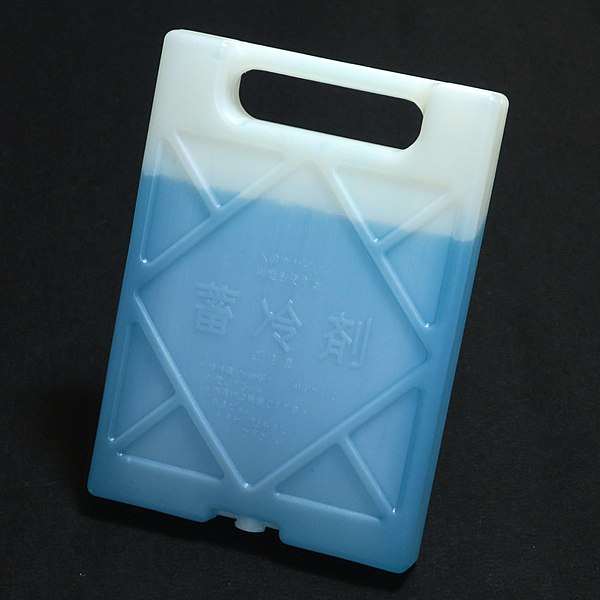
2.Apply Ice to Reduce Swelling and Pain11989 votes
Using ice packs on the injured area helps slow blood flow, decrease inflammation, and numb pain. It is most effective when applied within the first 48 hours after injury.
💡 Ice should be used with a barrier, like a cloth, to prevent frostbite and skin damage.

3.Engage in Physical Therapy and Rehabilitation Exercises10665 votes
Guided physical therapy helps restore strength, flexibility, and range of motion in the injured area. A tailored rehabilitation program prevents stiffness and supports full recovery.
💡 Beginning rehab too early or with improper techniques can hinder recovery; expert supervision is recommended.

4.Proper Nutrition3751 votes
A balanced diet rich in protein, vitamins, and minerals supports tissue repair and inflammation reduction. Hydration is equally important to facilitate cellular recovery.
💡 Incorporating omega-3 fatty acids has been shown to reduce inflammation post-injury.

5.Compression Garments3502 votes
Wearing compression garments can help reduce swelling and support blood flow to the injured area. They are commonly used during recovery to promote healing and reduce discomfort.
💡 Research indicates that compression therapy may accelerate the healing process in soft tissue injuries.

6.Gradual Return to Activity2888 votes
Resuming sports and physical activity should be gradual and guided by a healthcare provider to prevent re-injury. It helps rebuild strength and confidence in the injured area over time.
💡 Ignoring proper recovery timelines can lead to chronic issues or further injury.

7.Hydration and Fluid Intake2030 votes
Maintaining proper hydration is crucial for tissue repair and reducing inflammation. Drinking ample water helps flush out toxins that may hinder recovery processes.
💡 Optimal hydration can improve muscle elasticity and decrease injury risk during activity.

8.Use of Supportive Braces or Taping1967 votes
Applying braces or taping techniques can help stabilize injured areas, preventing further damage. This support allows for safer movement during the recovery phase.
💡 Proper application of tape can also assist in kinesthetic awareness, reducing improper movements.
9.Pain Management1915 votes
Effective pain management includes using over-the-counter pain relievers like NSAIDs as directed by a doctor. Complementary methods such as elevation and rest can also reduce discomfort.
💡 Managing pain correctly allows for better participation in rehabilitation exercises and accelerates recovery.
10.Cold Therapy (Cryotherapy)1576 votes
Cold therapy involves using ice packs or cold compresses to decrease inflammation and numb pain. It is most effective when applied immediately after injury onset.
💡 Excessive or prolonged cold therapy can cause tissue damage; proper timing and duration are essential.

11.Monitoring and Adjusting Activity Levels1422 votes
Using devices like activity trackers or keeping a recovery journal helps monitor progress and prevent overexertion. Adjustments based on feedback ensure a tailored and effective recovery process.
💡 Consistent monitoring allows early detection of setbacks, reducing downtime and re-injury risk.

12.Mind-Body Techniques1422 votes
Practicing relaxation, meditation, or mindfulness can reduce stress related to injury and improve overall recovery outcomes. These techniques may also help manage pain perception more effectively.
💡 Integrating mental health practices into physical therapy can enhance motivation and adherence to recovery plans.
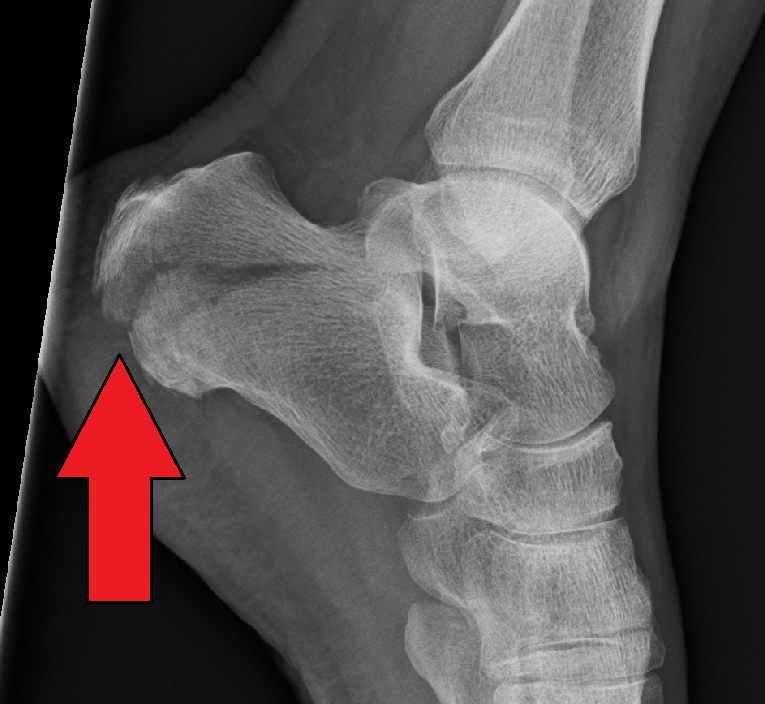
13.Proper Footwear and Equipment1346 votes
Wearing appropriate shoes and protective gear minimizes the risk of re-injury and supports healing. Equipment should be fitted correctly to match the specific injury or sport demands.
💡 Investing in quality, sport-specific footwear can significantly reduce injury recurrence rates.

14.Patient Education and Injury Awareness1056 votes
Understanding injury mechanics and early warning signs enables athletes to seek prompt treatment and modify activities accordingly. Education programs are vital for long-term injury prevention.
💡 Increased awareness has been shown to lower injury incidence rates across various sports and age groups.

15.Gradual Weight Bearing947 votes
Returning to weight-bearing activities gradually prevents excessive strain on healing tissues. This progression is often guided by healthcare professionals to ensure safe recovery.
💡 Overly rapid weight bearing can jeopardize recovery, emphasizing the need for individual assessments.