This list highlights top sustainable home products that promote eco-conscious living through innovative design, eco-friendly materials, and energy efficiency. These items help homeowners reduce their environmental impact while maintaining comfort and style, making sustainable living accessible and practical.

1.Living Roofs - Green Roofs9962 votes
Living roofs integrate vegetation into roofing structures to improve insulation, reduce stormwater runoff, and promote biodiversity. They create a natural habitat space while lowering urban heat islands.
💡 Green roofs can extend the lifespan of roofing materials and contribute to local air purification.

2.Energy Star-rated Appliances9898 votes
Energy Star appliances, including refrigerators, washing machines, and HVAC units, are designed to consume significantly less energy while maintaining high performance. Implementing these appliances reduces utility bills and carbon emissions, supporting a greener lifestyle.
💡 Manufacturers must meet strict energy efficiency guidelines set by the U.S. EPA to earn the Energy Star label.

3.First Solar Solar Panels8674 votes
These high-efficiency solar panels enable homeowners to harness renewable solar energy, reducing reliance on fossil fuels and lowering electricity bills. They are durable, environmentally friendly, and a cornerstone of sustainable home power solutions.
💡 Some models include built-in tracking systems to optimize sunlight exposure throughout the day.

4.insulatedConcrete Forms (ICFs)8658 votes
Insulated Concrete Forms are hollow foam blocks filled with concrete to create highly energy-efficient walls. They provide excellent thermal insulation, reducing heating and cooling costs significantly.
💡 ICFs also offer enhanced durability and fire resistance compared to traditional framing materials.

5.Bamboo Flooring8452 votes
Bamboo flooring is a sustainable alternative to traditional hardwood, made from fast-growing bamboo grass. It offers a durable, stylish, and eco-friendly option that reduces deforestation and promotes renewable resource use in home interiors.
💡 Bamboo can regrow to harvestable size in just 3-5 years, compared to decades for traditional wood.

6.Reclaimed Wood Products7513 votes
Products made from reclaimed wood utilize salvaged timber, reducing deforestation and providing a unique, rustic aesthetic. They are often used for flooring, furniture, and decorative paneling.
💡 Reclaimed wood can be upcycled into art, giving new life to old timber with historical significance.

7.Low VOC Paints5681 votes
Low VOC (Volatile Organic Compounds) paints release fewer harmful chemicals, improving indoor air quality. They are available in a variety of finishes and colors, making healthy painting options accessible.
💡 Using low VOC paints can reduce indoor air pollution and is especially beneficial for children and allergy sufferers.

8.Solar Water Heaters4837 votes
Solar water heaters use the sun's energy to heat water for residential use, reducing reliance on fossil fuels. They can significantly lower household energy bills and carbon footprint.
💡 Properly installed solar water heating systems can reduce water heating energy consumption by 50-80%.
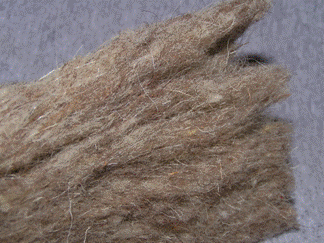
9.Wool Insulation4406 votes
Wool insulation is a natural, renewable insulator derived from sheep's wool, offering excellent thermal and acoustic properties. It is biodegradable and resistant to mold and pests when treated properly.
💡 It requires less energy to produce compared to synthetic insulations and naturally regulates humidity within buildings.

10.Rainwater Harvesting Systems4305 votes
These systems collect and store rainwater for irrigation, flushing toilets, or other non-potable uses, reducing reliance on municipal water supplies. They are a sustainable way to manage stormwater and conserve resources.
💡 Rainwater harvesting can decrease outdoor water use by up to 50%, promoting water conservation especially in drought-prone areas.

11.Low-Impact Bamboo Insulation4096 votes
Bamboo-based insulation materials are sustainable, renewable, and have excellent thermal properties. They are free from formaldehyde and synthetic chemicals used in conventional insulations.
💡 Bamboo grows rapidly and sequesters more carbon dioxide than many traditional lumber sources.

12.Recycled Glass Countertops3828 votes
Made from crushed recycled glass, these countertops offer a sustainable and durable surface for kitchens and bathrooms. They are available in various colors and patterns, reducing waste and environmental impact.
💡 Recycled glass countertops can be made using up to 100% post-consumer glass, significantly reducing landfill waste.
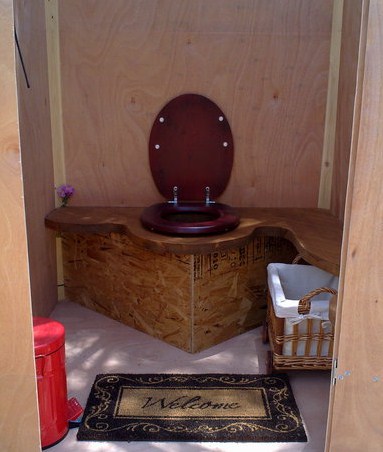
13.Cycling Compost Toilets3328 votes
Cycling compost toilets are eco-friendly bathroom solutions that use no water and transform waste into compost on-site. They help conserve water and reduce sewage treatment costs while providing nutrient-rich compost for gardens.
💡 These toilets are ideal for off-grid living or environmentally sensitive sites, cutting down on water wastage.


