This list highlights diverse destinations around the world renowned for their rich cultural heritage and immersive experiences. Each location offers unique opportunities to engage with local traditions, history, and communities for an authentic cultural journey.
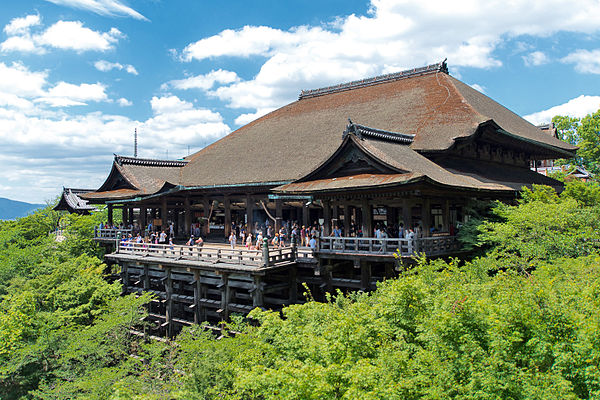
1.Kyoto, Japan10036 votes
Kyoto is a city where ancient temples, traditional teahouses, and historic districts allow travelers to deeply connect with Japan’s imperial past and cultural rituals. Visitors can participate in tea ceremonies, stay in traditional ryokans, and explore UNESCO World Heritage sites.
💡 Home to over 2,000 temples and shrines, including Kinkaku-ji and Fushimi Inari
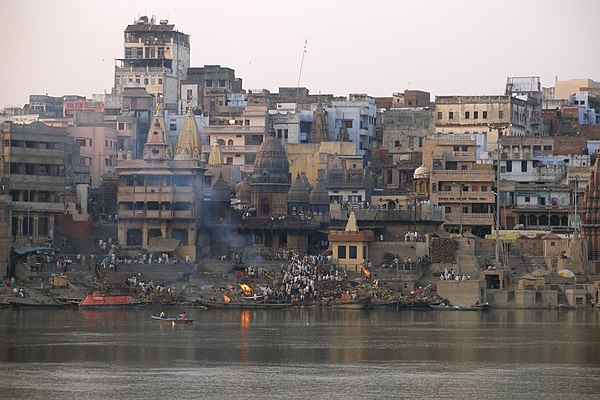
2.Varanasi, India9393 votes
Often called the spiritual capital of India, Varanasi offers a profound immersion into Hindu rituals, mythology, and traditional music. Visitors can witness sacred river ghats, ancient temples, and vibrant cultural ceremonies that have persisted for centuries.
💡 One of the world's oldest continually inhabited cities, Varanasi's roots trace back over 3,000 years, making it a living museum of Indian culture.

3.Fez, Morocco9210 votes
Fez is renowned for its well-preserved medieval medina, which offers a deep dive into Morocco's Islamic history, crafts, and cuisine. Navigating its labyrinth of alleyways offers travelers a taste of ancient urban life that has remained unchanged for centuries.
💡 Fez's medina is designated as a UNESCO World Heritage site and is famous for the traditional process of leather tanning, which has been practiced here since the 9th century.

4.Hampi, India7962 votes
Hampi’s ruins, formerly the capital of the Vijayanagara Empire, are scattered across a surreal landscape of boulder-strewn hills and ancient monuments. The site offers an immersive experience into South Indian history, architecture, and spiritual traditions.
💡 Hampi is a UNESCO World Heritage Site and features over 1,600 surviving ruins, including temples, palaces, and market streets, dating from the 14th to 16th centuries.
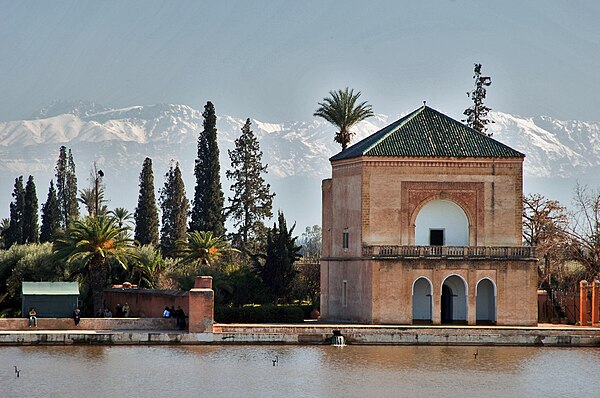
5.Marrakech, Morocco7850 votes
Marrakech immerses travelers in vibrant souks, ancient palaces, and traditional music, offering a sensory overload of sights, sounds, and smells. Engaging directly with artisans and local guides provides insights into Moroccan traditions, crafts, and daily life.
💡 Famous for the Jemaa el-Fnaa square, which is a UNESCO Intangible Cultural Heritage site

6.Luang Prabang, Laos6627 votes
Nestled along the Mekong River, Luang Prabang exemplifies Lao culture through its well-preserved temples, monasteries, and traditional villages. Visitors can participate in alms-giving ceremonies, explore Buddhist rituals, and learn about local crafts.
💡 Famous for its morning almsgiving procession and historic French colonial architecture

7.Samburu Cultural Village, Kenya5462 votes
This traditional village provides an authentic glimpse into the Samburu people's unique customs, dances, and daily life. Participating in local rituals and storytelling offers travelers a personal connection to indigenous Kenyan cultures.
💡 The Samburu are closely related to the Maasai but have distinct customs and attire, which visitors can experience firsthand in this community-focused setting.


