This list explores some of the most unusual and surprising foods found around the globe, showcasing unique ingredients and culinary traditions that challenge conventional palates. While some are historical staples or local favorites, others are rare delicacies that are rarely encountered outside their native regions, offering adventurous eaters a taste of diverse cultural expressions.

1.Durian12917 votes
Known as the 'King of Fruits' in Southeast Asia, durian has a strong odor that many find offensive, but its custard-like flesh is highly prized for its rich, sweet flavor. It is often banned in public transportation due to its smell.
💡 Durian is considered a delicacy, and its unique smell has led to both bans and cult-like devotion.

2.Insect Protein (e.g., Crickets, Mealworms)11674 votes
Insects like crickets and mealworms are consumed as sustainable protein sources around the world, especially in parts of Africa, Asia, and Latin America. They are rich in protein, vitamins, and minerals, and are often eaten roasted, fried, or incorporated into other dishes.
💡 Insect consumption is promoted as an environmentally friendly alternative to traditional livestock, with a much lower ecological footprint.

3.Century Egg10214 votes
This Chinese delicacy features duck, chicken, or quail eggs preserved in clay, ash, and quicklime for several weeks to months, resulting in a dark, jelly-like yolk and a strong flavor. Despite its appearance, it is a common ingredient in traditional Chinese cuisine.
💡 The preservation process was originally a method to extend the shelf life of eggs before refrigeration.
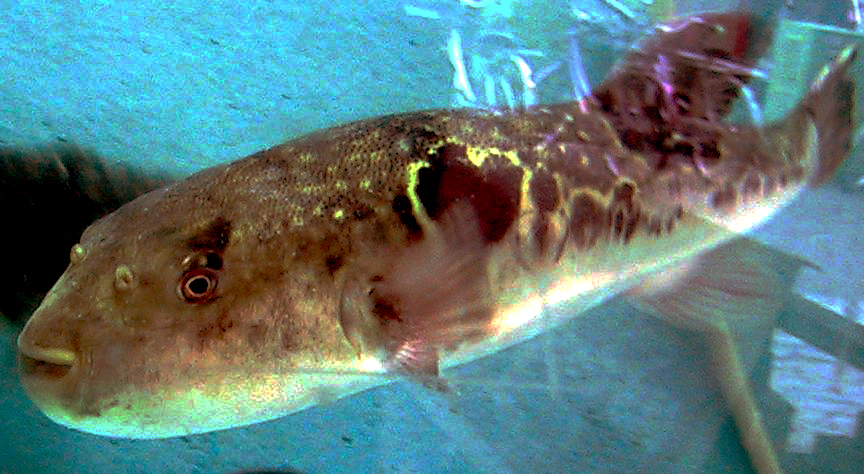
4.Fugu (Pufferfish)9288 votes
Fugu is a Japanese delicacy prepared from pufferfish, known for its potential toxicity if not properly handled. Skilled chefs prepare it meticulously to avoid poisoning, creating a culinary experience prized for its delicacy and the thrill of danger.
💡 The fish contains potent toxins called tetrodotoxins, which are many times more poisonous than cyanide.

5.Mopane Worm9005 votes
The Mopane worm is a protein-rich delicacy commonly consumed in Southern Africa, especially Zimbabwe and Namibia. Often dried or cooked with spices, it is a traditional source of nutrition and cultural heritage.
💡 It is considered a delicacy and is sometimes used in soups, stews, or fried as snacks.

6.Hákarl (Fermented Shark)8326 votes
A traditional Icelandic delicacy made from Greenland shark that has been fermented and hung to dry for several months. Its strong ammonia smell and fishy taste make it an acquired taste, often served in small cubes with a shot of Brennivín.
💡 Hákarl is considered a national dish of Iceland, with origins dating back to the Viking era, and was historically a survival food during harsh winters.

7.Casu Marzu8069 votes
Casu Marzu is a traditional Sardinian cheese renowned for containing live insect larvae, which help ferment the cheese and enhance its flavor. Its intense, piquant taste and controversial production process make it a notable culinary curiosity.
💡 Traditionally, it is eaten with bread and black pepper, and the larvae are often removed before consumption.

8.Frog Legs1612 votes
A popular dish in French cuisine, frog legs are typically sautéed with garlic and herbs, offering a taste reminiscent of chicken with a hint of fishiness. They are considered a delicacy in many parts of Europe and Asia.
💡 Historically served since Roman times, frog legs are a sustainable source of protein in some regions.

9.Escamoles1382 votes
Known as 'insect caviar,' escamoles are edible ant larvae harvested from the roots of agave plants in Mexico. They have a nutty, buttery flavor and are considered a delicacy in Mexican cuisine.
💡 Often served in tacos or omelets, they are highly prized for their unique taste and texture.

10.Balut1380 votes
A fertilized duck embryo incubated for about 14 to 21 days, then boiled and eaten in the shell. It is a common street food in the Philippines, valued for its rich, savory flavor and high protein content.
💡 Often considered an aphrodisiac, balut is an acquired taste and a cultural symbol in Filipino cuisine.

11.Sannakji1053 votes
A Korean delicacy consisting of live octopus tentacles that are lightly seasoned with sesame oil and served immediately. The tentacles are often still moving on the plate, providing a unique chewing experience.
💡 Must be eaten carefully due to the tentacles' movement, which can cause choking hazards.

12.Kiviak831 votes
A traditional Greenlandic dish consisting of fermented seabirds, specifically auks, buried in seal skin and left to ferment for months. The resulting pungent delicacy is eaten during festivals and special occasions.
💡 Kiviak is considered an essential part of Greenlandic tradition, offering a glimpse into ancient preservation practices.


