Italy is renowned for its diverse and historic wine regions, each offering unique varieties of grapes and a rich cultural heritage. From the rolling hills of Tuscany to the sun-soaked vineyards of Veneto, these regions provide an exquisite tasting journey through the heart of Italian winemaking.
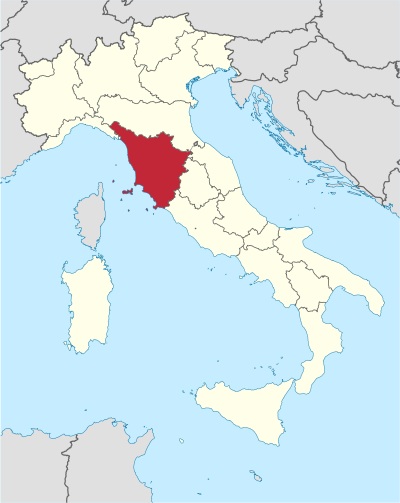
1.Tuscany9617 votes
Tuscany is world-famous for its stunning landscapes and exceptional wines, particularly Chianti and Brunello di Montalcino. This region combines tradition with innovation, making it a must-visit for wine enthusiasts seeking both quality and authenticity.
💡 Home to the famous Chianti wine, Tuscany also hosts numerous wine festivals each year.

2.Lazio7779 votes
Lazio, the region that includes Rome, is known for its diverse wine production with a variety of both red and white wines. Notable wines include the Frascati, which is a popular white wine enjoyed for its crisp and refreshing taste.
💡 Lazio is home to the ancient wine regions of the Etruscans, with a history that dates back thousands of years.
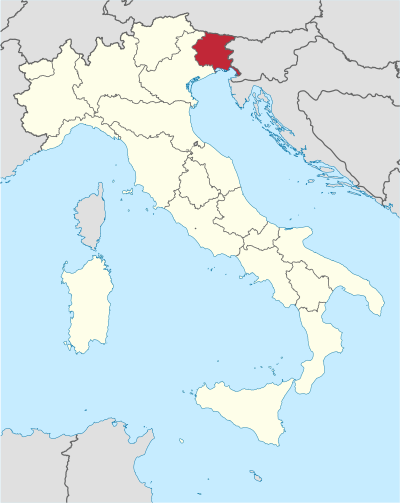
3.Friuli-Venezia Giulia7700 votes
This northeastern region of Italy is renowned for its exceptional white wines, particularly those made from the Sauvignon Blanc and Friulano grape varieties. The area's unique microclimates and diverse soils contribute to the complexity and elegance of its wines.
💡 Friuli-Venezia Giulia produces some of Italy's best Pinot Grigio, with crisp acidity and aromatic profiles.
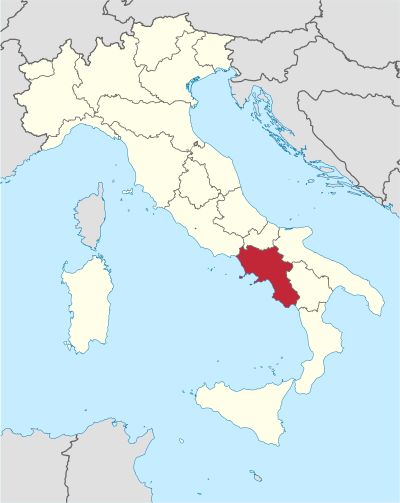
4.Campania7442 votes
Home to the renowned wines of the Amalfi Coast, Campania is famed for its ancient winemaking traditions and indigenous grape varieties like Aglianico and Fiano. The region's volcanic soil and Mediterranean climate create ideal conditions for producing high-quality wines.
💡 The region is known for its unique wine called 'Lacryma Christi,' which translates to 'Tears of Christ'.
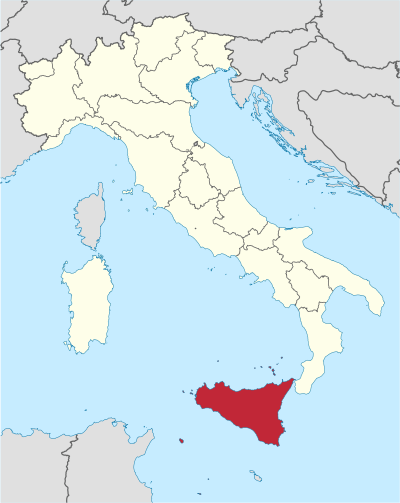
5.Sicily6037 votes
Sicily is one of Italy's largest wine regions, known for producing a variety of wines that reflect the island's diverse climate and terroir. The region is famous for its rich, full-bodied red wines as well as its vibrant whites, particularly those made from the indigenous Grillo grape.
💡 Sicily is home to the historic Marsala wine, a fortified wine also known as the 'vin de liqueur'.
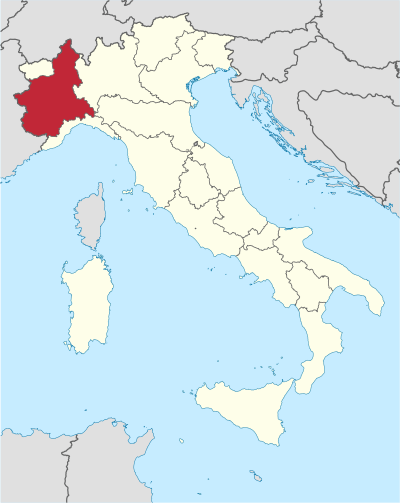
6.Piedmont5872 votes
Piedmont is celebrated for its exquisite Barolo and Barbaresco wines, crafted from the Nebbiolo grape, and is known for its prestigious wine regions. Nestled in the foothills of the Alps, this area boasts a rich gastronomic culture that perfectly complements its exceptional wines.
💡 Piedmont is also recognized as a UNESCO World Heritage site for its vineyards.
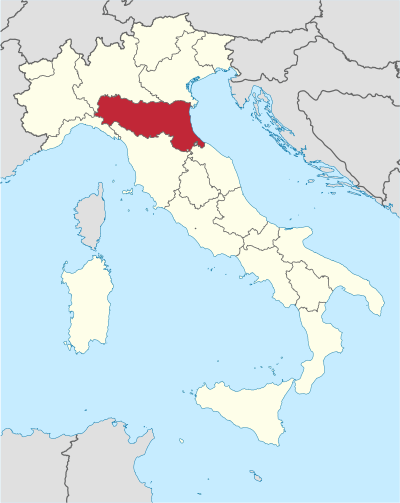
7.Emilia-Romagna5472 votes
This central Italian region is celebrated for its food and wine, particularly the iconic sparkling wine called Lambrusco. Emilia-Romagna is also home to rich red wines and a diverse selection of indigenous grape varieties.
💡 Emilia-Romagna is recognized as the birthplace of traditional Italian balsamic vinegar, complementing its wine heritage.
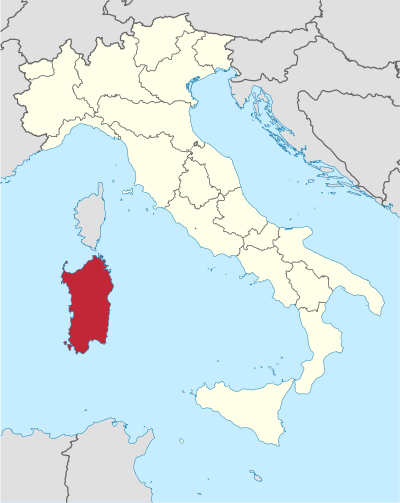
8.Sardinia5411 votes
Sardinia is renowned for its unique grape varieties and distinct terroir that sets its wines apart from the Italian mainland. It is famous for producing robust reds like Cannonau and refreshing whites like Vermentino.
💡 Cannonau is believed to be one of the oldest grape varieties in the world, possibly dating back to the ancient times.
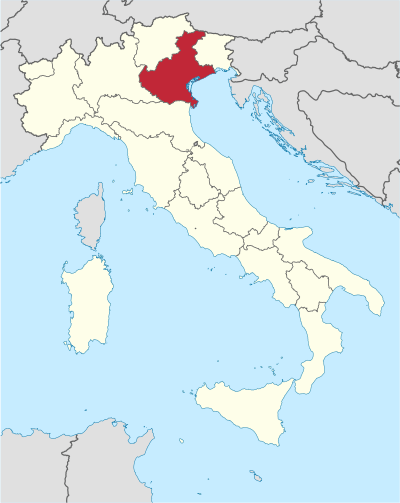
9.Veneto5153 votes
Veneto offers a diverse array of wines, including the famous Prosecco and Amarone, benefiting from the region's unique climate and geography. With its charming towns and stunning landscapes, Veneto is a vibrant destination for wine lovers and tourists alike.
💡 Prosecco from Veneto has gained immense popularity worldwide as a sparkling wine choice.
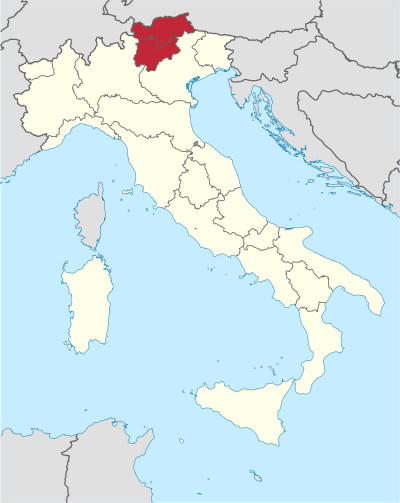
10.Trentino-Alto Adige4667 votes
Trentino-Alto Adige is distinguished by its mountainous landscapes and cooler climate, making it ideal for producing high-quality whites and delicate reds. The region is particularly known for its Pinot Grigio and Gewürztraminer.
💡 The region is home to some of the highest vineyards in Europe, ranging from 200 to over 1,500 meters above sea level.

11.Calabria4003 votes
Calabria is known for its diverse range of indigenous grape varieties, producing wines that are unique to this coastal region. The Cirò wine, made primarily from the Gaglioppo grape, is one of the most notable red wines from this area.
💡 Calabria is often referred to as 'the toe of Italy' and boasts a long tradition of wine-making influenced by both its history and geographical diversity.

12.Aosta Valley3999 votes
Aosta Valley, Italy’s smallest wine region, is nestled in the Alps and produces a range of unique wines, predominantly from indigenous grape varieties. The wines from this region are often characterized by their freshness and minerality, influenced by the alpine environment.
💡 The region is known for its quest for high quality, even producing wines at high altitudes, sometimes over 1,200 meters.
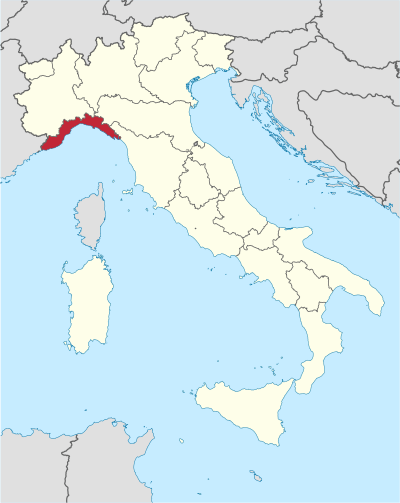
13.Liguria3321 votes
Liguria is famous for its coastal vineyards, producing light, aromatic white wines, primarily from the Vermentino grape. Due to the steep terraces and proximity to the sea, the region's wines have a distinct freshness that is highly sought after.
💡 The region is also known for its 'Sciacchetrà', a sweet passito wine made from dried grapes.
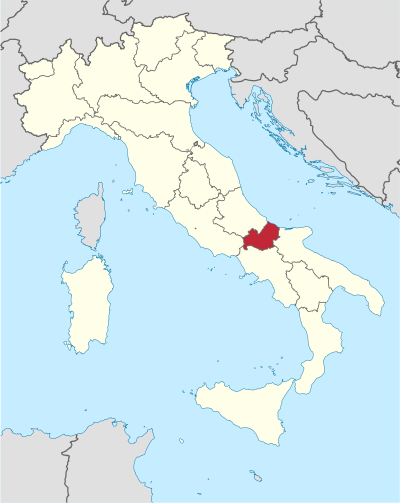
14.Molise2127 votes
Molise, a lesser-known wine region, offers a mix of native grapes and international varieties, producing both reds and whites with a unique character. The region is becoming increasingly recognized for its quality wine production, especially the Montepulciano d'Abruzzo.
💡 The region has a rich agricultural heritage and is one of Italy's best-kept secrets in the wine industry.

15.Basilicata1354 votes
Basilicata is gaining recognition for its unique wine varieties, particularly the Aglianico grape, which produces bold red wines. The region's rocky terrain and volcanic soil contribute to the complexity and richness of its wines.
💡 Wine production in Basilicata dates back to ancient times, influenced by both Greek and Roman cultures.


