This list provides an overview of the official currencies used around the globe, highlighting both widely recognized and lesser-known monetary units. It offers insights into the diverse monetary systems that facilitate international trade, travel, and economic stability, including some unexpected or historically significant currencies.
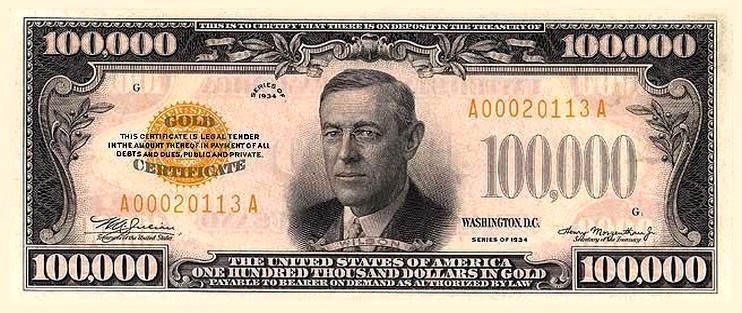
1.Greenback (United States Dollar, $)125373 votes
The US Dollar is the world's primary reserve currency and the most widely used currency in international transactions. It underpins global finance, trade, and commodities markets, making it a cornerstone of the world economy.
💡 The dollar was established as the world's dominant reserve currency after World War II, formalized by the Bretton Woods Agreement in 1944.

2.Euro (€)99073 votes
The Euro is the official currency of the Eurozone, utilized by 20 of the European Union member countries. It plays a crucial role in facilitating seamless trade and travel across a significant part of Europe, symbolizing economic unity.
💡 The Euro was introduced in 1999 as electronic currency and in physical form in 2002, replacing national currencies in participating countries.

3.Japanese Yen (¥)85597 votes
The Yen is Japan's official currency and one of the most traded currencies in the world. It reflects Japan's economic strength and is known for its distinctive symbol and historical significance in Asia.
💡 The Yen is one of the oldest currencies still in use, dating back to the 19th century, with modern form established in 1949.

4.British Pound Sterling (£)9860 votes
The official currency of the United Kingdom, known for its stability and historical significance as one of the world's oldest currencies still in use. It is often regarded as a global reserve currency alongside the US dollar and euro.
💡 The pound was formally decimalized in 1971, replacing shillings and pence with a straightforward decimal system.

5.Chinese Yuan Renminbi (CNY)8942 votes
The official currency of the People's Republic of China, increasingly influential in global markets as China’s economy expands. The yuan is often used as a benchmark for currency internationalization efforts.
💡 In 2016, the IMF included the yuan in its basket of reserve currencies, a milestone for China’s currency internationalization.
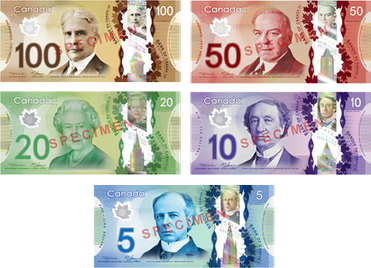
6.Canadian Dollar (CAD)7807 votes
The official currency of Canada, known for its stability and resource-backed economy. It is widely traded in the foreign exchange markets and often regarded as a commodity currency due to its close ties to natural resources.
💡 The Canadian dollar is the eighth most traded currency in the world and is often nicknamed the 'Loonie' after the bird depicted on the coin.

7.Swiss Franc (CHF)7781 votes
The currency of Switzerland and Liechtenstein, recognized for its stability and backing by a strong banking tradition. It is often used as a safe haven currency during global economic uncertainties.
💡 The Swiss franc has been a symbol of financial stability, resisting inflation better than many other currencies.


