Salman Rushdie's works are a brilliant fusion of magical realism and historical narrative, delving deep into cultural themes and personal identity. This collection showcases his most celebrated novels, each a testament to his literary prowess and the impact he has had on contemporary literature.

1.The Moor's Last Sigh10256 votes
A rich and sweeping narrative that follows the life of Moraes Zogoiby, who struggles against the weight of his family's history. The novel combines elements of magical realism with a deep critique of Indian society and politics.
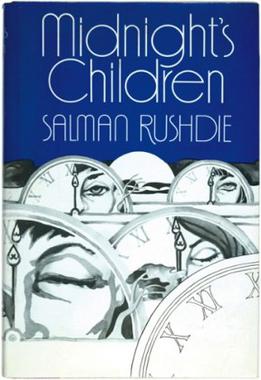
2.Midnight's Children10033 votes
A dazzling narrative that tells the story of Saleem Sinai, born at the exact moment of India's independence, Rushdie weaves together personal and national history with an inventive style. The novel is renowned for its rich and surreal storytelling, emblematic of Rushdie's unique voice in literature.

3.The Satanic Verses9520 votes
This novel, often seen as one of Rushdie's most controversial works, intertwines the lives of two Indian expatriates who fall from grace and experience a surreal transformation. Through a complex narrative filled with symbolism, Rushdie addresses themes of identity, religion, and cultural conflict.
4.The Golden House9385 votes
This novel narrates the story of a wealthy Indian family that finds refuge in America, confronting their past amid the complexities of contemporary life. It explores themes of identity, politics, and the impact of media in a rapidly changing world.

5.The Ground Beneath Her Feet9355 votes
This novel explores the intersection of myth and rock music, imagining a world where a fictional band captures the essence of cultural upheaval. It weaves a complex narrative about love, loss, and the enduring power of music.
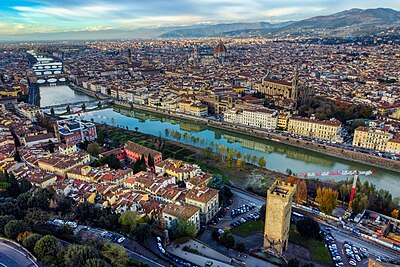
6.The Enchantress of Florence8051 votes
This historical novel explores the intersection of East and West during the Renaissance, focusing on a mysterious woman who captivates an emperor. The story is rich with themes of love, power, and the complexities of cultural identity.
7.Haroun and the Sea of Stories7662 votes
A fantastical tale that follows young Haroun as he journeys to a magical realm to restore his father's storytelling abilities. The novel is a charming allegory on the importance of storytelling and free speech.

8.Shalimar the Clown7558 votes
A tale of love, betrayal, and the consequences of violence set against the backdrop of Kashmir. The novel reflects the tumult of political strife through the personal dramas of its characters.
9.The Fury of Acquaintance6197 votes
This lesser-known work explores the intricacies of human relationships and the chaos of modern life, presented through Rushdie's signature narrative style that blends the mundane with the extraordinary. It captures the essence of his philosophical musings on love, society, and the nature of truth.
10.Fury5732 votes
Set in New York City, the novel follows a man confronting a midlife crisis amidst the chaos of the modern world. It examines themes of personal and cultural upheaval, making it a poignant reflection on contemporary urban life.
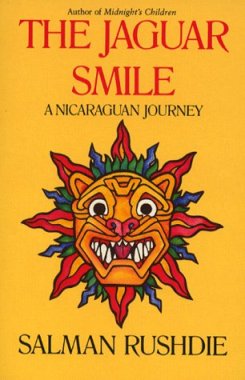
11.The Jaguar Smile5503 votes
This travelogue recounts Rushdie's experiences in Nicaragua during a tumultuous period in its history. It blends personal observation with political commentary, providing insight into the cultural landscape of Central America.

12.Two Years Eight Months and Twenty-Eight Nights4935 votes
In this fantastical tale, Rushdie blends myth, reality, and history, exploring themes of love, conflict, and the nature of truth. The novel presents a world at the intersection of cultures, where jinn and humans coalesce in a battle for the future.

13.The Tempest4813 votes
In this adaptation of Shakespeare's classic, Rushdie infuses the tale with his unique narrative style and themes of colonialism and power. The novel connects the original story's elements with modern issues, making it relevant to contemporary discussions.

14.Grimus3882 votes
Rushdie's debut novel follows the journey of Flapping Eagle as he explores a mystical world filled with philosophical challenges and existential questions. The book is a blend of magical realism and philosophical inquiry, showcasing Rushdie's early stylistic choices.

