Dive into a curated collection of literary works that challenge perceptions and provoke deep thought. These books not only reflect the complexities of human experience but also encourage readers to question societal norms and explore philosophical questions.

1.19849904 votes
George Orwell's dystopian novel is a chilling portrayal of totalitarianism and the perils of an oppressive regime. Its exploration of surveillance, language manipulation, and individualism resonates deeply with contemporary societal issues.

2.The Satanic Verses9512 votes
A novel by Salman Rushdie that sparked worldwide protests and a death fatwa from Iran over its alleged blasphemy against Islam.
💡 Published in 1988, it led to global debates on free speech and religious sensitivities.
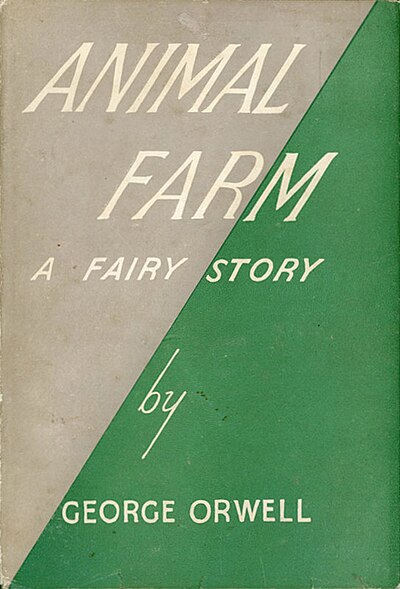
3.Animal Farm9345 votes
Orwell's allegorical novella critiques totalitarianism through the lens of farm animals who overthrow their human owner, only to find themselves under new oppressive rule. The story serves as a stark reminder of how power can corrupt and the cyclical nature of tyranny.

4.The Handmaid's Tale9272 votes
Margaret Atwood's dystopian novel presents a chilling vision of a totalitarian regime that subjugates women and erodes individual freedoms. Through the eyes of Offred, readers explore themes of power, gender, and resistance.

5.Fahrenheit 4519067 votes
Ray Bradbury's dystopian novel explores a future where books are banned, and 'firemen' burn any that are found. It serves as a powerful critique of censorship and the loss of critical thought in society.

6.Brave New World8781 votes
A dystopian novel by Aldous Huxley depicting a future society marked by technological control and loss of individuality, often cited in debates over bioethics and societal conformity.
💡 Published in 1932, a classic influential on science fiction and social philosophy.
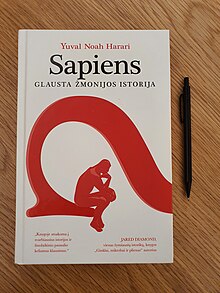
7.Sapiens: A Brief History of Humankind8616 votes
Yuval Noah Harari's thought-provoking exploration of the history of our species invites readers to reflect on the forces that have shaped human civilization. By examining key events and shifts, Harari prompts deep consideration of where we come from and where we might be headed.

8.The Catcher in the Rye8446 votes
J.D. Salinger's widely taught yet frequently banned novel featuring teenage rebellion and mental health themes that resonate but offend some readers.
💡 First published in 1951, a staple of high school curriculums but censored for language.

9.Lolita8363 votes
Vladimir Nabokov's controversial novel about a middle-aged man's obsession with a young girl, grappling with themes of obsession and manipulation.
💡 Published in 1955, considered one of the greatest literary works despite its provocative subject matter.

10.The Alchemist7931 votes
Paulo Coelho's enchanting novel follows a shepherd named Santiago on his quest to discover his personal legend, emphasizing the importance of pursuing one's dreams. The story blends magical realism with profound life lessons about destiny and the universe.

11.The Road6880 votes
Cormac McCarthy's haunting novel follows a father and son journeying through a post-apocalyptic landscape, grappling with despair and hope. The stark prose and profound exploration of survival highlight the depths of the human spirit.

12.Invisible Man6856 votes
Ralph Ellison's powerful work delves into the African American experience in the 20th century through the eyes of an unnamed protagonist. The novel addresses themes of identity, racism, and social invisibility, inviting deep contemplation.

13.American Psycho6568 votes
Bret Easton Ellis's novel depicting the life of a Manhattan investment banker involved in violent serial killings, provoking debates over graphic violence and misogyny.
💡 Published in 1991, infamous for its explicit content and social critique.

14.The Republic6454 votes
Plato's philosophical work delves into the nature of justice and the ideal state, influencing political thought for centuries. Its dialogues challenge readers to ponder the meaning of justice, governance, and the essence of a just society.

15.The Stranger6212 votes
Albert Camus's The Stranger centers on the emotionally detached Meursault, whose indifference to societal norms ultimately leads to his downfall. It raises profound questions about existence, the nature of reality, and the absurdity of life.


