Europe is home to a plethora of historical and cultural attractions that captivate millions of visitors each year. From ancient ruins to modern marvels, these iconic sites showcase the continent's rich heritage and diversity.

1.Buckingham Palace32832 votes
Buckingham Palace serves as the London residence of the British monarch and is a focal point for royal ceremonies and events. It boasts 775 rooms and is a spectacular example of British architecture.
💡 During the summer months, parts of the Palace are open to the public.

2.Cinque Terre29580 votes
Cinque Terre is a picturesque coastal region in Italy known for its colorful cliffside villages and stunning Mediterranean landscapes. It is a UNESCO World Heritage Site and a popular destination for hikers and nature lovers.
💡 The region consists of five villages: Monterosso, Vernazza, Corniglia, Manarola, and Riomaggiore.

3.Eiffel Tower25527 votes
The Eiffel Tower, an iconic symbol of France, stands at 1,083 feet tall and offers breathtaking views of Paris from its various observation decks. Completed in 1889 for the World's Fair, it showcases architectural innovation and remains one of the most visited monuments in the world.
💡 Originally intended to be a temporary installation, the Eiffel Tower has become a lasting symbol of Paris and French ingenuity.

4.Palace of Versailles25349 votes
The Palace of Versailles is a symbol of the absolute monarchy of the Ancien Régime. Its opulent architecture and extensive gardens are a testament to the grandeur of French royal history.
💡 The palace was originally a hunting lodge for Louis XIII before being transformed into a lavish residence.
5.The Acropolis Museum25329 votes
The Acropolis Museum in Athens houses the archaeological findings from the Acropolis of Athens. This modern museum is designed to reflect the site's historical significance and natural surroundings.
💡 The museum was built over an ancient Athenian neighborhood and features a glass floor for visibility.

6.The Louvre Museum24081 votes
The Louvre Museum in Paris is the world's largest art museum and a historic monument. Home to thousands of works of art, including the Mona Lisa, it is a central landmark of the city and a must-visit for art enthusiasts.
💡 Originally built as a fortress in the late 12th century, it became a royal palace before being transformed into a public museum.
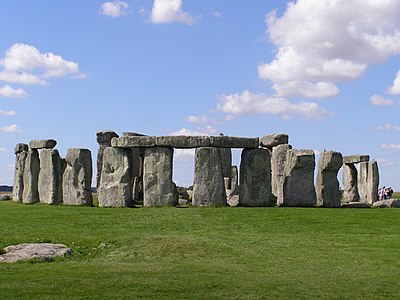
7.Stonehenge20799 votes
Stonehenge is one of the most famous prehistoric monuments in the world, located in Wiltshire, England. The exact purpose of this ancient structure remains a mystery, though it is believed to have been used for astronomical and religious purposes.
💡 Stonehenge has been a UNESCO World Heritage Site since 1986.

8.Anne Frank House19165 votes
The Anne Frank House in Amsterdam is the historical site where Jewish diarist Anne Frank spent her life in hiding during World War II. It serves as a museum dedicated to her legacy and the broader theme of human rights.
💡 The diary of Anne Frank has been translated into over 70 languages.

9.Colosseum18384 votes
The Colosseum in Rome, an architectural marvel of ancient engineering, is a testament to the grandeur of the Roman Empire. This massive amphitheater, capable of holding up to 80,000 spectators, hosted a variety of public spectacles, from gladiator contests to theatrical performances.
💡 It is the largest ancient amphitheater ever built and remains one of the greatest works of Roman architecture and engineering.

10.Leaning Tower of Pisa16515 votes
The Leaning Tower of Pisa is famous for its unintended tilt, which began during its construction in the 12th century. Despite its precarious angle, it remains a remarkable architectural feat and a popular tourist attraction.
💡 The tower leaned due to an inadequate foundation set in soft ground.

11.Acropolis of Athens15901 votes
The Acropolis of Athens is an ancient citadel that contains several buildings of great architectural and historic significance, the most famous being the Parthenon. It is a symbol of the glory of ancient Greece and the birthplace of democracy.
💡 It was never fully completed, with construction continuing over several centuries.

12.Big Ben15764 votes
Big Ben, the nickname for the Great Bell of the clock at the north end of the Palace of Westminster in London, is an iconic symbol of the United Kingdom. The clock tower, officially known as the Elizabeth Tower, has been a significant landmark since its completion in 1859, appreciated for its stunning Gothic Revival architecture.
💡 The clock is renowned for its reliability and accuracy, famously gaining a reputation for striking the hour long before the advent of modern timekeeping.

13.Brandenburg Gate13347 votes
The Brandenburg Gate is an iconic 18th-century neoclassical monument located in Berlin, Germany. It has been a symbol of both division and unity in Germany throughout its history.
💡 It was commissioned by King Frederick William II of Prussia as a peace monument.

14.Neuschwanstein Castle12901 votes
Neuschwanstein Castle is a 19th-century Romanesque Revival palace located in Bavaria, Germany. It was commissioned by King Ludwig II and is often referred to as the fairytale castle due to its picturesque appearance.
💡 The castle served as the inspiration for Disneyland's Sleeping Beauty Castle.

15.Sagrada Família10114 votes
The Sagrada Família is a grand basilica in Barcelona designed by the architect Antoni Gaudí. It is famed for its unique architectural style and is still under construction, with an expected completion date in the coming years.
💡 It has been under construction since 1882 and is funded entirely by donations.


