Germany boasts a rich tapestry of historical and cultural landmarks that attract millions of visitors each year. From fairy-tale castles to vibrant urban centers, these attractions showcase the country’s diverse heritage and stunning landscapes.

1.Oktoberfest20841 votes
Oktoberfest is the world's largest Volksfest, held annually in Munich, Germany, featuring a massive beer festival and a traveling funfair. It lasts for 16 to 18 days, from mid-September to the first Sunday in October, attracting millions of visitors from around the globe.
💡 Oktoberfest originally started in 1810 as a royal wedding celebration.

2.Neuschwanstein Castle19312 votes
Nestled in the Bavarian Alps, Neuschwanstein Castle is a breathtaking architectural marvel that inspired Disney's Sleeping Beauty Castle. With its stunning towers and picturesque surroundings, it embodies the romantic fairy-tale aesthetics that captivate visitors from around the globe.
💡 Construction on the castle began in 1869 but was never fully completed.

3.Miniatur Wunderland19156 votes
Miniatur Wunderland is the world's largest model railway exhibition, located in Hamburg, Germany. Featuring incredibly detailed miniature landscapes from various parts of the world, it attracts both model enthusiasts and families alike.
💡 The exhibition covers over 1,500 square meters and continues to expand with new themes and areas.

4.Brandenburg Gate18072 votes
The Brandenburg Gate is an 18th-century neoclassical monument in Berlin, symbolizing the reunification of Germany. It was commissioned by King Frederick William II of Prussia and has significant historical importance as a former city gate.
💡 During the Cold War, the gate stood in the no man's land between East and West Berlin.
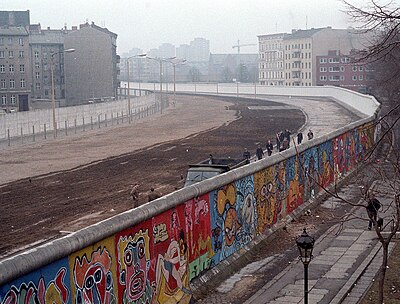
5.Berlin Wall15390 votes
The Berlin Wall stands as a powerful symbol of division and reunification, marking a significant period in world history during the Cold War. Visitors can reflect on its storied past while exploring the remnants and memorials that commemorate its impact on Germany and beyond.
💡 The wall was erected in 1961 and fell in 1989, leading to German reunification.

6.Cologne Cathedral14636 votes
As a stunning example of Gothic architecture, Cologne Cathedral is a UNESCO World Heritage site that draws architecture enthusiasts and tourists alike. Its intricate façade and breathtaking stained glass windows tell the story of centuries of religious and cultural significance.
💡 It took over 600 years to complete, with construction starting in 1248 and finishing in 1880.

7.Dachau Concentration Camp Memorial Site13050 votes
Dachau Concentration Camp was the first Nazi concentration camp opened in Germany, serving as a model for subsequent camps. Today, it stands as a memorial to the victims, offering historical insights through its museum and guided tours.
💡 It was in operation from 1933 to 1945 and held over 200,000 prisoners.

8.Rhine River9673 votes
The Rhine River is one of the longest rivers in Europe, flowing through six countries, including Germany. It is known for its stunning landscapes, vineyards, and castles that line its banks.
💡 It plays a crucial role in European trade and transportation.

9.Black Forest8863 votes
The Black Forest is a mountain range in southwestern Germany, known for its dense woods, picturesque villages, and the original source of the Black Forest cake. It offers numerous hiking paths and is famous for its natural beauty and folklore.
💡 Home to the Cuckoo clock, which originated from this region.

10.Hamburg Harbor7519 votes
Hamburg Harbor is one of the largest and busiest ports in Europe, often referred to as the 'Gateway to the World'. It is a vital part of Germany’s maritime trade and is surrounded by a vibrant culture and history.
💡 Home to the famous Elbphilharmonie concert hall overlooking the harbor.

11.The Berlin Philharmonic6681 votes
The Berlin Philharmonic is one of the world's leading orchestras, renowned for its innovative concerts and outstanding musicians. Conductors like Herbert von Karajan and Simon Rattle have been associated with this prestigious institution.
💡 It has won numerous Grammy Awards for its recordings.

12.Munich Residenz6283 votes
The Munich Residenz is the largest city palace in Germany, serving as the former royal palace of the Bavarian monarchs. It boasts a stunning combination of Renaissance, Baroque, and Rococo architecture, and contains rich collections of art and historical artifacts.
💡 Its ornate Hall of Antiquities houses an immense collection of classical sculptures.

13.Sachsenhausen Concentration Camp5553 votes
Sachsenhausen was a Nazi concentration camp located in Oranienburg, Germany, used primarily for political prisoners. Today, it serves as a memorial and museum, educating visitors about the horrors of the Holocaust.
💡 It was one of the first concentration camps established by the Nazis in 1936.

14.Bremen Town Hall5343 votes
The Bremen Town Hall is a UNESCO World Heritage site known for its stunning Gothic architecture and Renaissance facade. It has served as the city's government building since the 15th century and is a central point of Bremen's historical heart.
💡 The town hall features the Roland statue, a symbol of freedom in Bremen.
15.Eagle's Nest4282 votes
Kehlsteinhaus, known as Eagle's Nest, is a retreat house near Berchtesgaden built for Adolf Hitler during the Nazi regime. It is now a restaurant and offers breathtaking views of the surrounding Alps.
💡 Access to the site is achieved via a bus ride and an elevator through the mountain.


