This list showcases some of the most renowned literary quotes that have left a lasting impact on readers worldwide. These quotes originate from classic and modern literature, embodying universal themes of love, wisdom, and human experience. Each quote has endured through history, inspiring generations and enriching cultural heritage.

1.To be, or not to be, that is the question.23470 votes
This profound soliloquy by Shakespeare's Hamlet reflects on existence, mortality, and the human condition. It remains one of the most analyzed and quoted lines in the history of English literature.
💡 Originally spoken in Hamlet, written around 1600-1601.
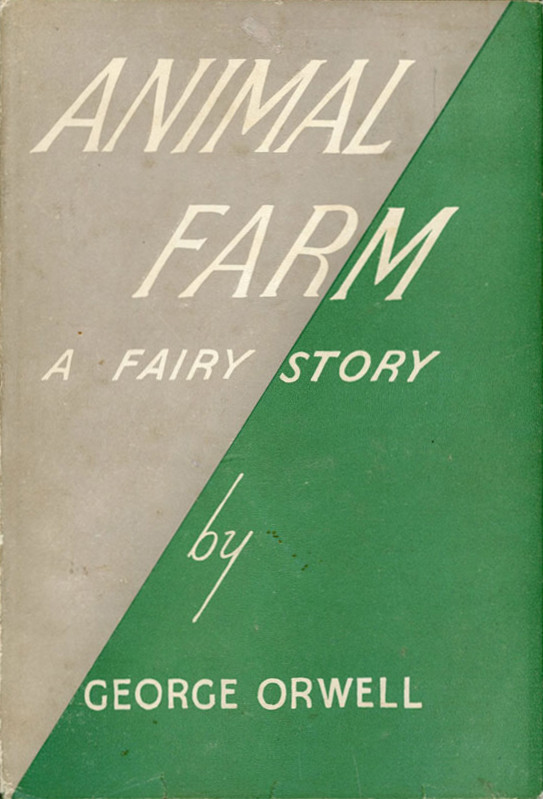
2.All animals are equal, but some animals are more equal than others.19882 votes
George Orwell's incisive critique of power and corruption is captured in this memorable quote from Animal Farm. It exemplifies the use of literature to reflect social and political realities.
💡 Published in 1945, the book is a critique of totalitarian regimes and political corruption.
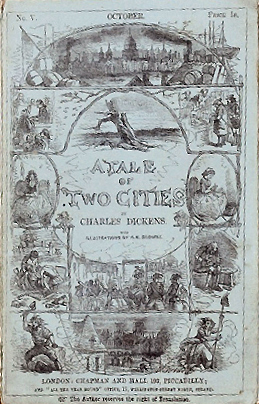
3.It was the best of times, it was the worst of times.18343 votes
Charles Dickens opens A Tale of Two Cities with this haunting and memorable line that captures the duality of human experience amidst upheaval. It has become synonymous with literature's exploration of contrast and conflict.
💡 Published in 1859, the novel is set during the French Revolution and explores themes of sacrifice, justice, and resurrection.

4.Martin Luther King Jr. - 'I have a dream.'12863 votes
Delivered during the March on Washington, this line encapsulates the hopes for racial equality and justice. It remains one of the most iconic sentences in the fight for civil rights.
💡 The speech was pivotal in advancing the civil rights movement and inspiring generations.

5.I think, therefore I am11832 votes
Philosopher René Descartes' fundamental statement emphasizes that the very act of doubt proves one’s existence. It is a cornerstone of Western philosophy and modern epistemology.
💡 This quote originated from Descartes' 'Discourse on Method' and has influenced countless philosophical debates about consciousness and self-awareness.
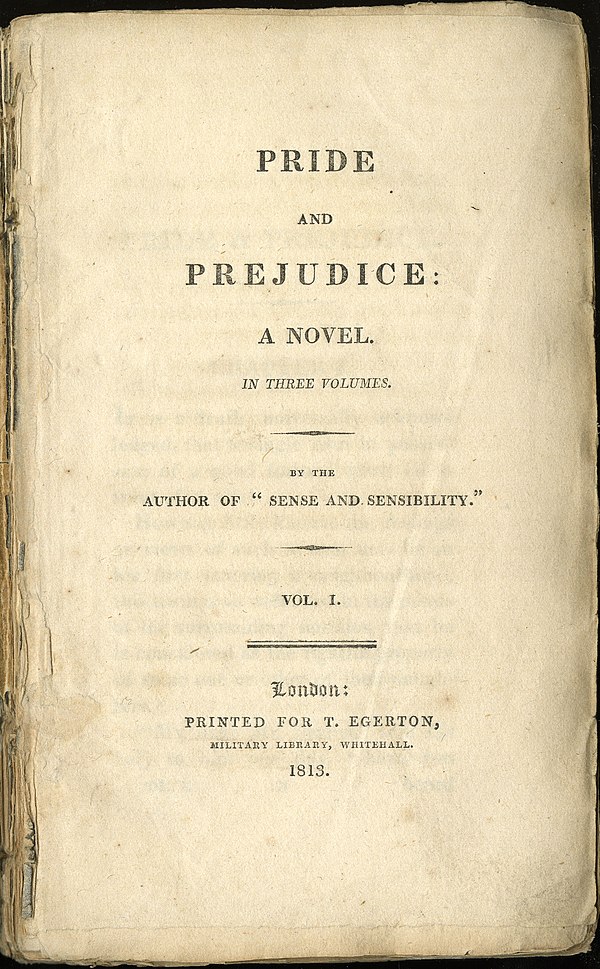
6.It is a truth universally acknowledged10869 votes
This opening line from Jane Austen's 'Pride and Prejudice' sets the tone for the novel’s exploration of social class and marriage. It is one of the most recognizable sentences in English literature.
💡 The phrase humorously underscores societal expectations and the importance of social standing during Austen's era.

7.Maya Angelou - 'Still I Rise.'10674 votes
A powerful affirmation of resilience and strength in the face of oppression, this line is from Maya Angelou's poem of the same name. It has become an anthem of hope and empowerment around the world.
💡 Angelou's work has inspired countless movements for civil rights and social justice.

8.William Shakespeare - 'All the world's a stage, and all the men and women merely players.'10644 votes
This famous line comes from Shakespeare's play 'As You Like It,' illustrating the idea that life is like a theatrical performance. It reflects on the roles people play throughout their lives.
💡 The monologue continues to explore the various stages of human life, from infancy to old age.
9.All the world's a stage10474 votes
From William Shakespeare's play 'As You Like It,' this line reflects on the different life stages that people go through. It is often quoted to highlight the transient nature of human life and experience.
💡 This quote is part of a monologue spoken by the character Jaques, and is one of Shakespeare's most famous reflections on life.
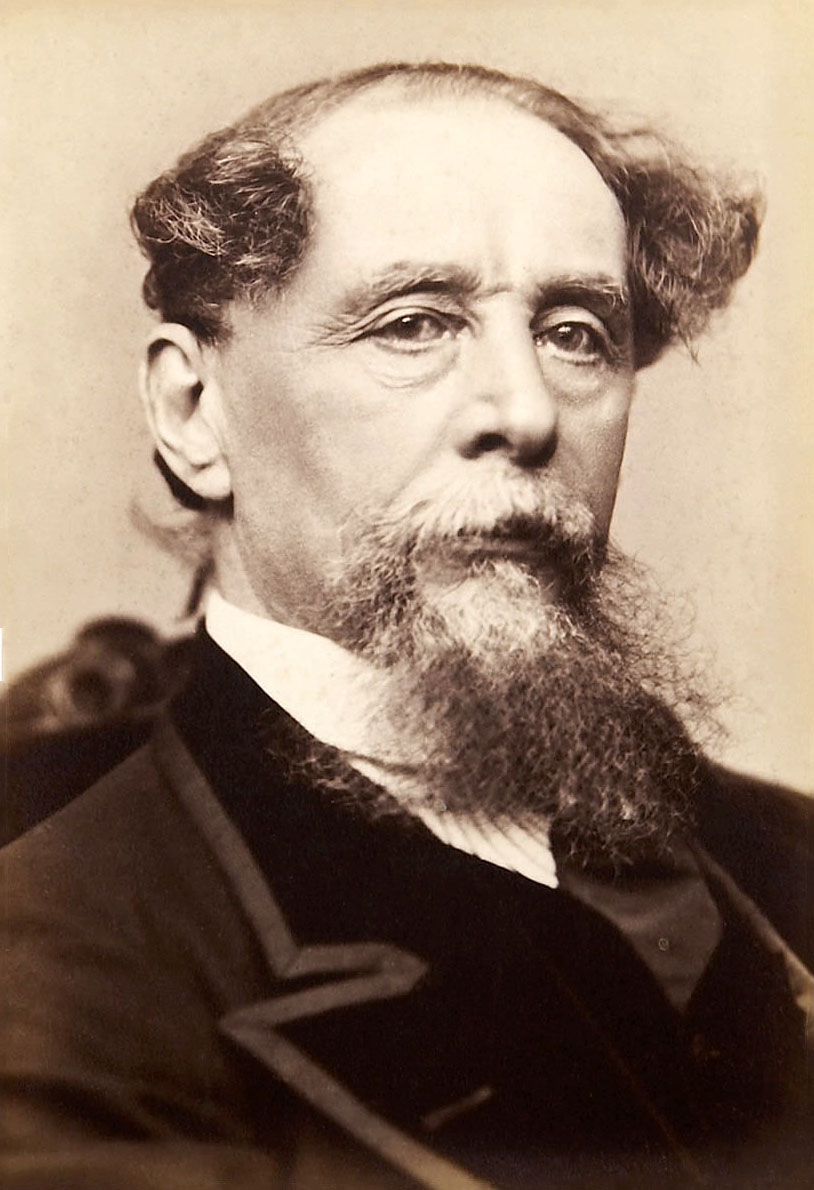
10.Charles Dickens - 'It was the best of times, it was the worst of times.'9195 votes
Opening line from 'A Tale of Two Cities,' contrasting the duality of life during turbulent historical periods. It captures the paradoxes faced by humanity in times of upheaval.
💡 The novel is set during the French Revolution and explores themes of resurrection and sacrifice.
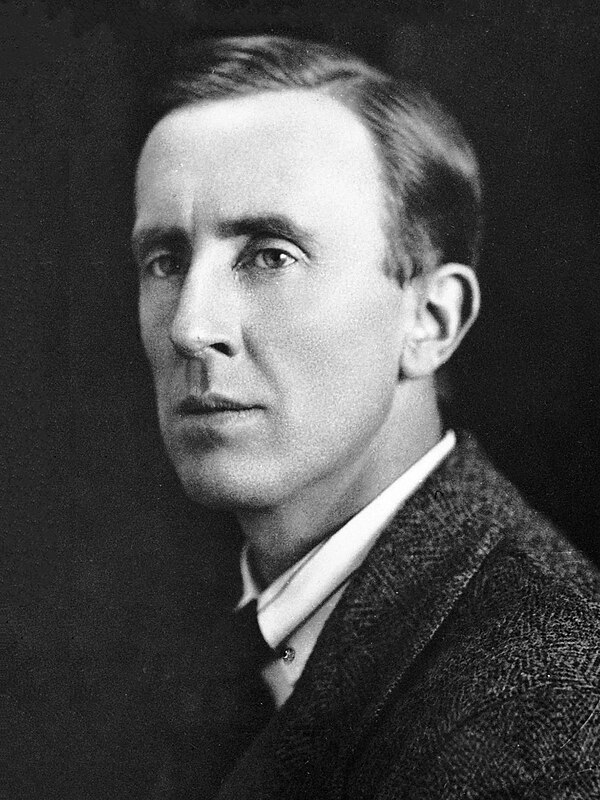
11.Not all those who wander are lost9135 votes
Originally from J.R.R. Tolkien's poem in 'The Lord of the Rings,' this line celebrates those who explore and journey without aim, suggesting a deeper sense of purpose and adventure. It has become a popular quote about wandering and self-discovery.
💡 Often used in travel and adventure contexts, this line captures the Romantic ideal of wandering as a meaningful pursuit.

12.The Great Gatsby - 'So we beat on, boats against the current, borne back ceaselessly into the past.'8927 votes
This is the closing line of F. Scott Fitzgerald's novel, capturing the persistent human struggle and the illusion of the American Dream. It remains one of the most quoted lines in American literature.
💡 The phrase symbolizes the inevitable struggle against time and the elusive nature of happiness.

13.Jane Austen - 'It is a truth universally acknowledged, that a single man in possession of a good fortune, must be in want of a wife.'8495 votes
This satirical opening line from 'Pride and Prejudice' is one of the most recognizable in English literature. It highlights social expectations and attitudes toward marriage in 19th-century England.
💡 The novel critiques class and gender dynamics of its time.

14.Emily Dickinson - 'Because I could not stop for Death.'8258 votes
From her poem of the same name, this line reflects on the inevitable journey towards mortality. Dickinson's imagery portrays death as a gentle, almost civil companion.
💡 Her work often explores themes of mortality, immortality, and the human condition.

15.Leo Tolstoy - 'Everyone thinks of changing the world, but no one thinks of changing themselves.'6635 votes
This quote emphasizes personal responsibility in societal change, highlighting the importance of self-improvement. It encourages reflection on individual actions as a catalyst for broader transformation.
💡 Tolstoy's ideas influenced movements for social and spiritual awakening.


