Delve into the profound world of classic literature, where timeless narratives and complex characters explore the intricacies of the human condition. These revered works have shaped culture and thought across generations, offering insight and reflection on life's enduring themes.

1.The Great Gatsby11105 votes
F. Scott Fitzgerald's novel explores themes of decadence, idealism, and resistance to change in 1920s America, illustrating the Jazz Age's extravagant lifestyle. The story follows the enigmatic Jay Gatsby and his obsession with the beautiful Daisy Buchanan.
💡 Though it received mixed reviews during its initial publication in 1925, it is now regarded as one of the greatest American novels.

2.Jane Eyre10525 votes
Charlotte Brontë's 'Jane Eyre' is a novel that tells the story of an orphaned girl who overcomes hardship to find love and fulfillment. It is celebrated for its deep psychological insight and themes of morality, social criticism, and feminism.
💡 The character of Jane Eyre has inspired numerous adaptations and discussions about gender and class in literature.

3.Pride and Prejudice10078 votes
Jane Austen's 'Pride and Prejudice' is an enduring exploration of love, class, and individuality set in 19th-century England. The witty and spirited Elizabeth Bennet navigates societal expectations and her own prejudices in a quest for authenticity and affection.
💡 First published in 1813, it has sold over 20 million copies.

4.The Grapes of Wrath9666 votes
John Steinbeck's 'The Grapes of Wrath' portrays the struggles of an American family during the Great Depression as they migrate westward in search of a better life. The novel highlights social injustice and the plight of the disenfranchised.
💡 It won the Pulitzer Prize for Fiction in 1940 and remains an influential piece of American literature.

5.19849305 votes
George Orwell's '1984' provides a chilling depiction of a dystopian future under totalitarian surveillance, where individuality and truth are suppressed. Its themes of government control and loss of personal freedom resonate powerfully with contemporary society.
💡 Orwell wrote '1984' in 1949, and it has since become a defining work of dystopian fiction.

6.To Kill a Mockingbird9034 votes
This Pulitzer Prize-winning novel by Harper Lee addresses serious issues such as racial injustice and moral growth in the Deep South of the 1930s. The story is told through the eyes of a young girl named Scout Finch as she navigates her formative years in a prejudiced society.
💡 The novel was published in 1960 and has become a classic of modern American literature.

7.The Catcher in the Rye8837 votes
J.D. Salinger's 'The Catcher in the Rye' narrates the experiences of Holden Caulfield, a teenager struggling with isolation and the complexities of adulthood. The novel has become a symbol of teenage rebellion and alienation.
💡 Initially controversial, the book was banned in several schools, which only increased its popularity.

8.The Odyssey8650 votes
Homer's 'The Odyssey' is an epic poem that chronicles the adventures of Odysseus as he strives to return home after the Trojan War. This foundational work of Western literature engages themes of heroism, loyalty, and the quest for identity.
💡 Considered one of the greatest works of literature, it is often paired with 'The Iliad' as a cornerstone of ancient storytelling.
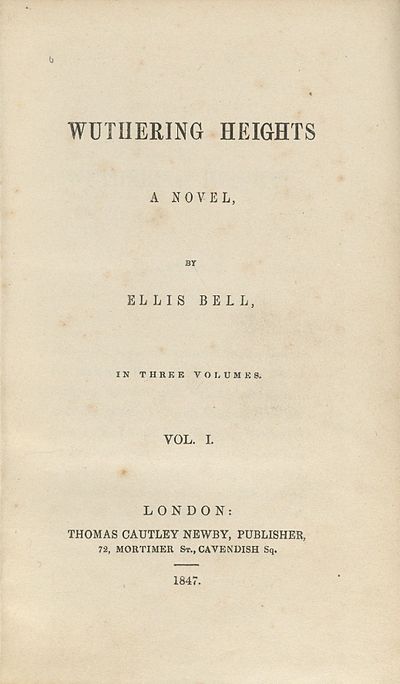
9.Wuthering Heights8294 votes
Emily Brontë's only novel presents a tale of passionate but destructive love between Heathcliff and Catherine Earnshaw on the Yorkshire moors. The narrative's complex structure and characterization delve into the darker aspects of obsession and revenge.
💡 Published in 1847, it was initially met with criticism but has since become a staple of English literature.
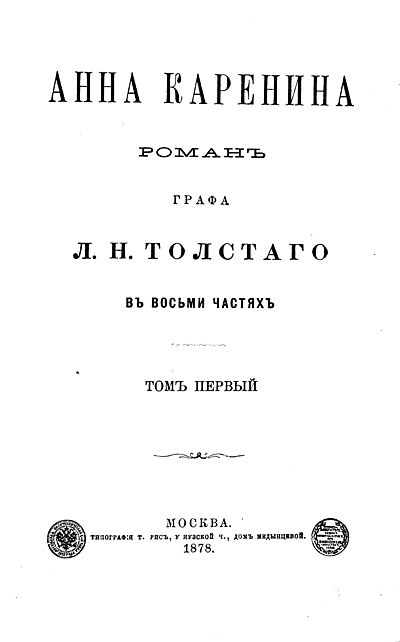
10.Anna Karenina8091 votes
Leo Tolstoy's 'Anna Karenina' examines the life and struggles of a married woman as she pursues her affair with Count Vronsky. The novel explores complex themes of love, family, and societal norms in 19th-century Russia.
💡 It is noted for its deep psychological insight and remains a significant critique of Russian society.

11.Brave New World7969 votes
A dystopian novel by Aldous Huxley, 'Brave New World' explores a futuristic society driven by technological advancements and consumerism. It raises critical questions about individuality, happiness, and freedom in a highly controlled environment.
💡 The novel was written in 1931 and is considered a classic in the dystopian genre.

12.Moby-Dick7598 votes
Herman Melville's 'Moby-Dick' offers a profound examination of obsession and the natural world through the narrative of Captain Ahab's relentless pursuit of the great white whale. This intricate tale weaves themes of fate, vengeance, and humanity's place in the cosmos.
💡 Initially met with mixed reviews, it is now considered one of the greatest American novels.
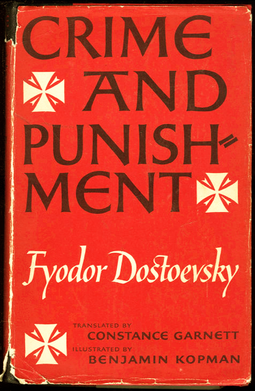
13.Crime and Punishment7061 votes
This philosophical novel by Fyodor Dostoevsky follows the mental anguish and moral dilemmas of Rodion Raskolnikov, a former student who commits a murder. Set in St. Petersburg, the novel explores themes of redemption and the psychological struggle between good and evil.
💡 Published in 1866, this novel is considered one of the greatest achievements in literature.

14.The Picture of Dorian Gray6683 votes
Oscar Wilde's 'The Picture of Dorian Gray' delves into themes of vanity, moral duplicity, and the nature of beauty. It follows the story of a young man whose portrait ages instead of him, reflecting the consequences of his hedonistic lifestyle.
💡 Wilde was imprisoned for 'gross indecency' due to his sexuality, and this novel reflects his views on art and morality.

15.The Scarlet Letter5097 votes
Nathaniel Hawthorne's 'The Scarlet Letter' tells the story of Hester Prynne, who bears the shame of adultery in Puritan New England. It critiques the moral rigidity of society while exploring themes of sin, guilt, and redemption.
💡 The book is often regarded as one of the first American novels with its focus on complex moral themes.


