Japanese literature is a rich tapestry woven through centuries, encompassing an array of genres from ancient poetry to modern novels. Its profound themes and unique narrative styles reflect the intricate relationship between culture and storytelling in Japan, making it a captivating field of study and appreciation.

1.Kafka on the Shore9878 votes
This surreal novel by Haruki Murakami intertwines the stories of a 15-year-old boy named Kafka and an elderly man named Nakata, who can talk to cats. Blending magical realism with profound themes of memory and fate, it captivates readers with its enigmatic elements.
💡 Named after Franz Kafka, the novel explores parallels between Kafka's themes and Murakami's storytelling.

2.The Wind-Up Bird Chronicle9678 votes
In this intricate narrative, Haruki Murakami weaves together the lives of a man searching for his missing wife and the various surreal encounters that follow. The novel explores themes of loss, alienation, and the interconnectivity of dreams and reality.
💡 It has been translated into multiple languages and has won several prestigious literary awards.

3.The Tale of Genji8649 votes
Often considered the world's first novel, 'The Tale of Genji' delves into the life and loves of Hikaru Genji in the Heian court. Written by Murasaki Shikibu in the early 11th century, this masterpiece captures the intricacies of court life and the ephemeral nature of beauty and love.
💡 Written in the early 11th century, it stands as a seminal work of classical Japanese literature.

4.Norwegian Wood8160 votes
'Norwegian Wood' is a poignant novel by Haruki Murakami that explores themes of love, loss, and the passage of time through the eyes of a young man in 1960s Tokyo. With its lyrical prose and deeply introspective characters, the book resonates with readers seeking both nostalgia and existential reflection.
💡 The novel was adapted into a film in 2010, further increasing its global popularity.

5.The Makioka Sisters7929 votes
Written by Jun'ichirō Tanizaki, this novel explores the lives of four sisters in pre-WWII Japan, capturing the beauty and complexities of family and traditional values. The story intricately weaves themes of love, societal change, and cultural shifts against the backdrop of a changing Japan.
💡 Adapted into a celebrated film directed by Kon Ichikawa in 1983.
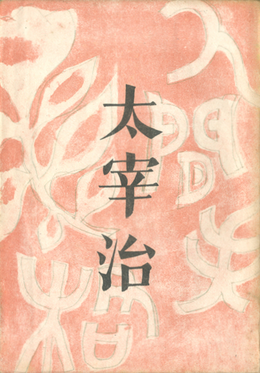
6.No Longer Human7684 votes
Osamu Dazai's novel is a semi-autobiographical exploration of alienation and despair in modern society through the life of a young man. Its profound narrative resonates with themes of identity, mental illness, and the struggle for connection.
💡 Ranked as one of Japan's greatest novels, it has impacted generations of readers.

7.Snow Country6652 votes
Written by Yasunari Kawabata, 'Snow Country' is a poetic novella that examines the beauty and sadness of love through the story of a wealthy Tokyo man and his affair with a provincial geisha. Kawabata's exquisite prose creates a haunting atmosphere that captures the essence of isolation and longing in the snowy landscapes of Japan.
💡 Winning the Nobel Prize in Literature in 1968, Kawabata was the first Japanese author to receive this honor.

8.I Am a Cat5911 votes
Written by Sōseki Natsume, this novel is narrated from the perspective of a nameless cat observing human life in Meiji-era Japan. It critiques society, culture, and the human condition with humor and deep insight.
💡 Considered a classic, it marks Natsume's debut novel and highlights his unique narrative style.

9.The Strange Library5591 votes
This novella by Haruki Murakami explores the bizarre experiences of a young boy who visits a mysterious library. He encounters strange characters and surreal situations that reflect the complexities of memory and solitude.
💡 The book features unique illustrations and is often described as a blend of fantasy and horror.

10.The Tale of the Heike5209 votes
This epic account chronicles the struggle between the Taira and Minamoto clans during the Genpei War, which led to the rise of the samurai in Japan. The blend of history and myth captures the essence of honor, loss, and the impermanence of life.
💡 One of the most important works of Japanese literature, known for its poetic beauty.

11.The House of the Dead4249 votes
This semi-autobiographical novel by Fyodor Dostoevsky, though originally Russian, has had a profound influence onJapanese literature and culture. It reflects the author's experiences in a Siberian prison camp, exploring themes of life, death, and the human spirit.
💡 The themes of the novel have resonated with Japanese authors, influencing works in the 20th century.

12.The Pillow Book4005 votes
Written by Sei Shonagon during the Heian period, this work is a collection of essays, lists, and anecdotes reflecting the court life of Japan. Its unique perspective provides a vivid portrayal of the aesthetics, values, and social dynamics of the era.
💡 The Pillow Book is considered one of the greatest works of Japanese literature and is noted for its witty and observant style.

13.The Complete Works of Zen Master Dogen3710 votes
This collection captures the teachings and philosophies of Dogen, the founder of the Soto school of Zen Buddhism. His writings emphasize the importance of mindfulness, meditation, and the nature of reality.
💡 Dogen's insights continue to influence spiritual practices and literature in Japan and beyond.

14.Kukai's Diary1123 votes
This historical diary recounts the travels and experiences of Kukai, a renowned Buddhist monk in the 9th century, who played a key role in bringing esoteric Buddhism to Japan. It offers insights into the political, cultural, and religious landscape of ancient Japan.
💡 Kukai is also known for founding the Shingon sect of Buddhism.