Delve into the timeless world of classical literature, a rich tapestry of human experience that has shaped cultural and intellectual discourse for centuries. From profound philosophy to captivating narratives, these works continue to resonate with readers, offering insights into humanity's deepest concerns and aspirations.

1.Moby-Dick9896 votes
Herman Melville's 'Moby-Dick' is an epic tale of obsession and revenge chronicling Captain Ahab's relentless pursuit of the titular white whale. The novel delves into themes of fate, humanity, and the struggle against nature.
💡 Initially received with mixed reviews, 'Moby-Dick' is now regarded as one of the greatest American novels of all time.

2.Homer's Odyssey9598 votes
A cornerstone of Western literature, Homer's 'Odyssey' narrates the epic journey of Odysseus as he strives to return home after the Trojan War. This classic not only explores themes of heroism and perseverance but also delves into the intricacies of human relationships and the quest for identity.
💡 Considered one of the oldest extant works of Western literature, 'The Odyssey' is believed to have been composed in the 8th century BC.

3.Shakespeare's Hamlet8859 votes
Shakespeare's 'Hamlet' is a profound exploration of revenge, madness, and existential contemplation, centering around Prince Hamlet's quest for vengeance against his uncle. As one of the most performed and studied plays in the English language, it captivates audiences with its rich character development and complex themes.
💡 Hamlet features one of the most famous soliloquies in literature, 'To be, or not to be,' reflecting deep philosophical introspection.

4.The Great Gatsby8805 votes
F. Scott Fitzgerald's 'The Great Gatsby' is a poignant critique of the American Dream, exploring themes of wealth, love, and social upheaval during the Jazz Age. Through the tragic story of Jay Gatsby, the novel examines issues of identity and belonging in post-World War I America.
💡 Upon its initial release in 1925, the book received little attention but has since become a cornerstone of classic American literature.

5.Jane Eyre8623 votes
Written by Charlotte Brontë, 'Jane Eyre' is a groundbreaking novel that explores themes of morality, class, sexuality, and feminism through the life of its resilient titular character. As a strong female protagonist, Jane defies societal expectations while seeking love and independence.
💡 Considered one of the first feminist novels, 'Jane Eyre' has inspired numerous adaptations in film, theatre, and television.
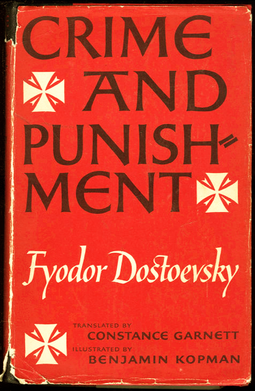
6.Crime and Punishment6805 votes
Fyodor Dostoevsky's 'Crime and Punishment' tackles deep philosophical and psychological themes as it follows Raskolnikov, a former student who commits a murder and faces the moral ramifications of his actions. The novel offers profound insights into morality, guilt, and redemption in 19th-century Russia.
💡 The novel's exploration of existential themes has influenced many later literary works and continues to be widely studied.

7.Virgil's Aeneid5036 votes
The 'Aeneid' by Virgil is a monumental epic that tells the story of Aeneas, a Trojan hero destined to found Rome. Through themes of duty, fate, and sacrifice, this epic not only serves as a cornerstone of Roman literature but also reflects the values and ideals of Roman society.
💡 The 'Aeneid' was written in the Latin language and is considered one of the greatest works of Latin literature.


