This list explores significant aspects of Greek history, highlighting influential events, cultural developments, and notable figures from ancient Greece. It offers a comprehensive overview of Greece's legacy in shaping Western civilization and enduring mythology.

1.Ancient Greece10077 votes
Ancient Greece was a foundational civilization that laid the groundwork for Western culture, democracy, philosophy, and arts. Its city-states, notably Athens and Sparta, played pivotal roles in shaping political and military history.
2.Greek Contributions to Democracy9833 votes
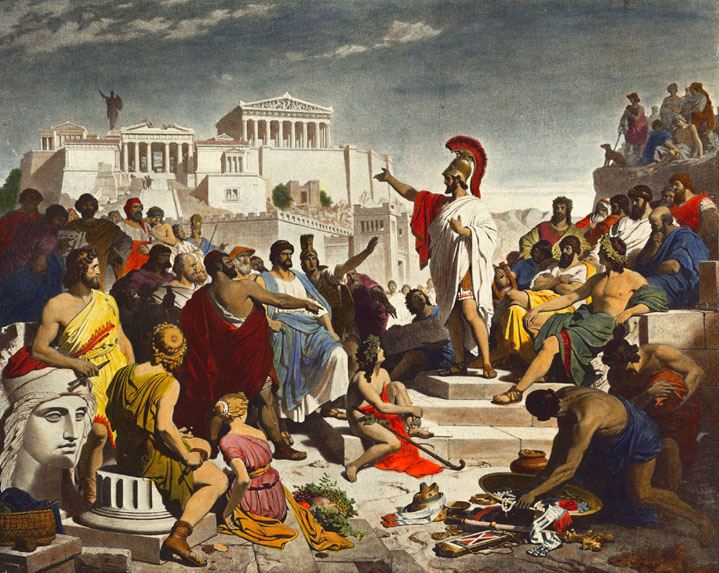
Ancient Greece, particularly Athens, is credited with developing the earliest form of democracy around the 5th century BC. It laid foundational principles for modern democratic governance and civic participation.
💡 The Athenian democracy was direct, allowing citizens to participate actively in decision making, a notable contrast to modern representative democracies.
3.Battle of Marathon8757 votes
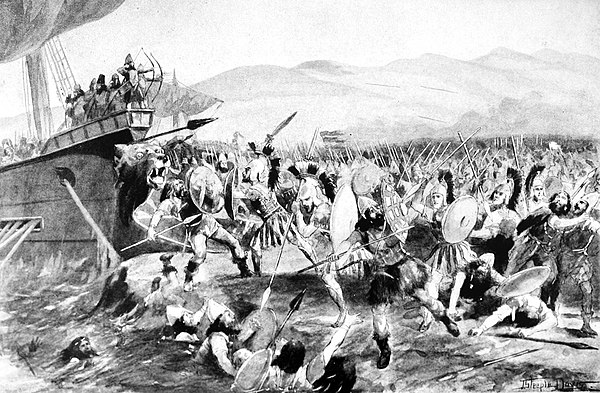
The Battle of Marathon took place in 490 BC between the Athenians and the Persian Empire. It was a pivotal event that showcased Greek military prowess and prevented Persian invasion of Greece.
💡 Legend states that a messenger ran approximately 26 miles from Marathon to Athens to deliver news of the Greek victory, inspiring the modern marathon race.

4.Socrates7476 votes
Socrates was a classical Greek philosopher credited as one of the founders of Western philosophy. His Socratic method of questioning laid the groundwork for critical thinking and dialogue.
5.Greek Mythology5821 votes
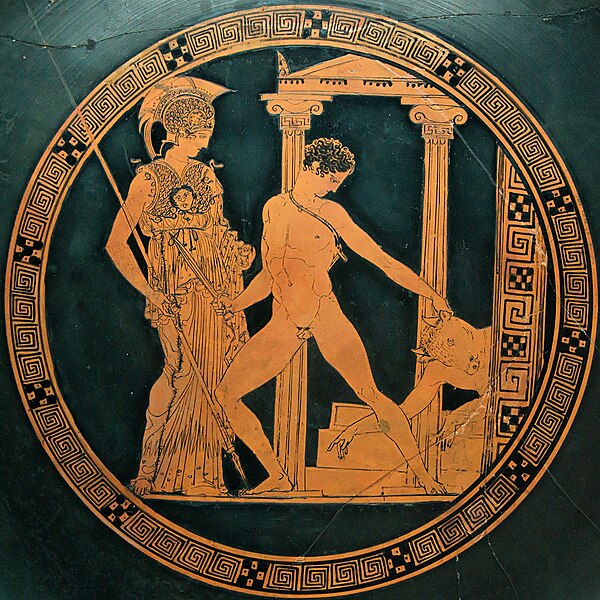
Greek mythology comprises a rich collection of stories about gods, heroes, and monsters that explain natural phenomena and human experiences. These myths have significantly impacted literature, art, and culture in the Western world.

6.Alexander the Great5463 votes
The Macedonian king who created one of the largest empires in history by the age of 30, spreading Greek culture across Asia and Egypt. His conquests led to the Hellenistic Age, a blending of Greek and Middle Eastern cultures.
💡 He died young at 32, but his empire's division led to the Hellenistic kingdoms that lasted for centuries.

7.Delphi Oracle5079 votes
The Delphi Oracle, also known as Pythia, was a sacred priestess at the Temple of Apollo in Delphi, reputed to deliver prophecies inspired by the gods. It played a significant role in Greek politics and decision-making for centuries.
💡 The Pythia's prophecies were delivered in cryptic verses and were highly influential, often consulted before major wars and treaties.

8.Olympic Games4860 votes
Ancient Greece's most famous sporting festival held every four years at Olympia dedicated to Zeus. The games showcased athletic prowess and religious offerings, influencing modern Olympics.
💡 The original Olympic Games were held from 776 BC until 393 AD, when they were abolished by Emperor Theodosius I.

9.Hellenistic Period3946 votes
The Hellenistic Period began after the death of Alexander the Great in 323 BC and lasted until the Roman conquest of Greece in 31 BC. This era was characterized by the spread of Greek culture across Asia, Africa, and Europe.
💡 This period saw the fusion of Greek culture with those of Egypt, Persia, and India, leading to advances in science, art, and philosophy.

10.Battle of Thermopylae3379 votes
A famous 480 BC battle where a small Greek force led by King Leonidas of Sparta held off the vastly larger Persian army. Although they were ultimately defeated, their stand became a symbol of courage and sacrifice.
💡 The battle inspired Greek unity and resistance against Persian invasion, especially celebrated in Western culture.
11.Peloponnesian War2901 votes
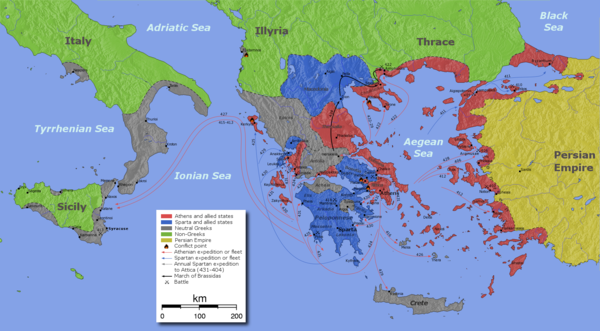
A protracted conflict between Athens and Sparta from 431 to 404 BC, which significantly reshaped Greek politics and power. The war ended with Sparta's victory but weakened the Greek city-states overall.
💡 Thucydides, an Athenian historian, documented the war extensively in his history.

12.Diogenes of Sinope2026 votes
A Greek philosopher and one of the most famous Cynics, known for his ascetic lifestyle and public acts that challenged social conventions. He sought to promote virtue and self-sufficiency as the path to happiness.
💡 Legend has it that he wandered Athens during the daytime with a lantern, searching for an honest man.
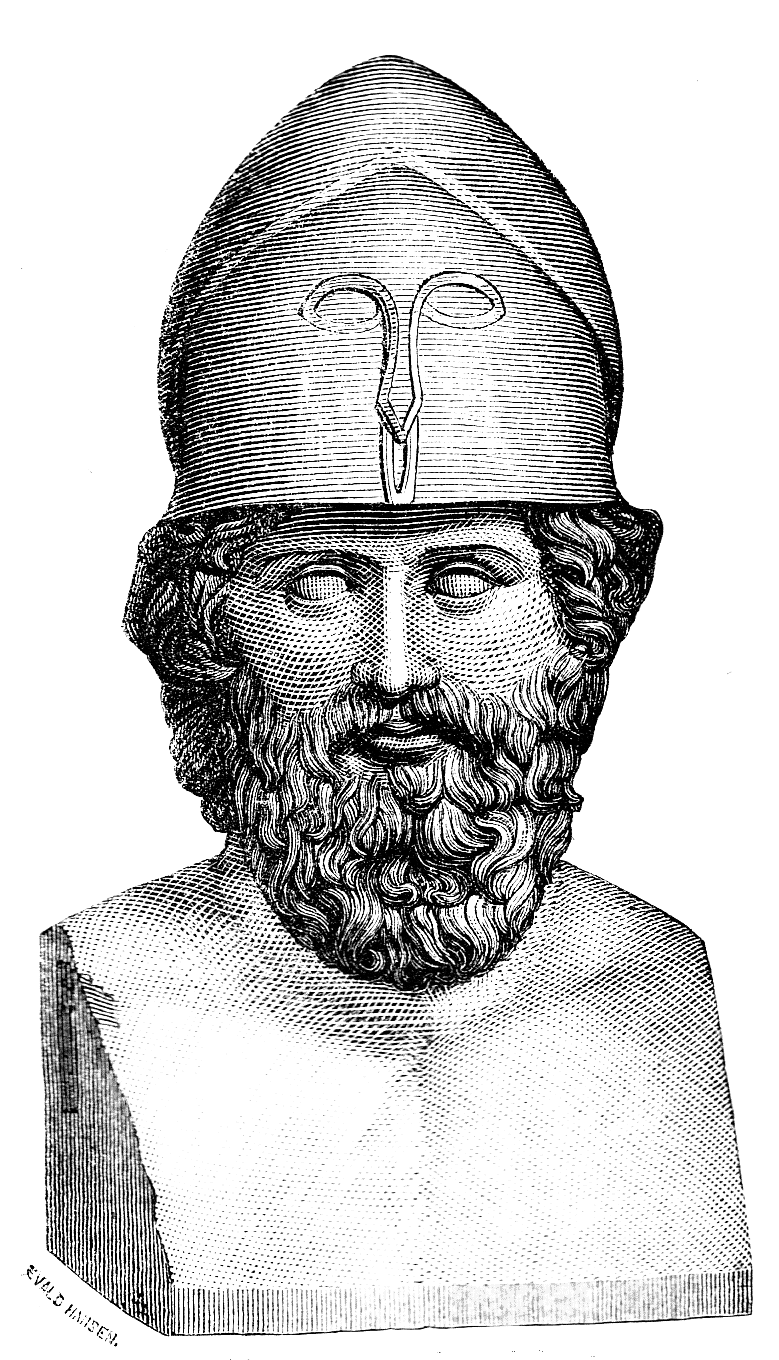
13.Themistocles1954 votes
An Athenian politician and general known for his naval strategy during the Persian Wars, especially at the Battle of Salamis. He was instrumental in securing Athens' dominance at sea.
💡 Initially ostracized, he was later reinstated and played a key role in Athens' military decisions.

14.Plato's Academy1864 votes
Founded by Plato around 387 BC in Athens, it is considered one of the earliest institutions of higher learning in the Western world. The Academy emphasized philosophy, mathematics, and sciences.
💡 The Academy operated for nearly 900 years and influenced countless philosophers including Aristotle.


