Dive into the rich tapestry of Norse mythology, where gods, heroes, and epic tales weave together to form the cultural foundation of ancient Scandinavia. This captivating domain explores the lives of fabled figures such as Odin and Thor, revealing their profound influence on history and literature.

1.Odin10126 votes
Odin, the All-Father, is the chief god in Norse mythology, associated with wisdom, healing, and death. He is renowned for his relentless quest for knowledge, often sacrificing much in his pursuit of truth, making him a figure of immense complexity and depth.
💡 Odin sacrificed one of his eyes for wisdom, and he is often depicted as a wanderer seeking knowledge disguised as an old man.

2.Thor's Hammer (Mjölnir)9848 votes
Mjölnir is the legendary hammer wielded by Thor, the god of thunder, known for its destructive power and ability to return to Thor when thrown. It symbolizes protection, strength, and the fight against chaos.
💡 Mjölnir is so powerful that it was said to be capable of leveling mountains.

3.Fenrir9029 votes
Fenrir is a monstrous wolf in Norse mythology, prophesied to kill Odin during Ragnarok. He is the offspring of Loki and the giantess Angerboda, and he represents chaos and destruction.
💡 The gods bound Fenrir with an unbreakable chain made from various mythical elements to contain him.
4.Thor8846 votes
Thor, the god of thunder, is celebrated for his might and protection of humanity against the giants and chaos. His iconic hammer, Mjölnir, is a symbol of his power and is said to return to him when thrown, highlighting his role as a defender of the gods and humans alike.
💡 Thor is a central figure in popular culture, inspiring numerous adaptations in comics, films, and literature.
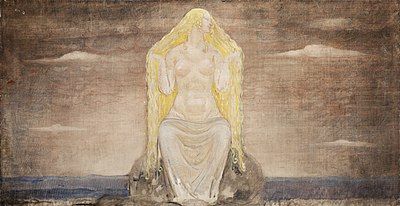
5.Freya8686 votes
Freya is a prominent goddess in Norse mythology associated with love, beauty, and fertility. She is also a fierce warrior, leading the Valkyries and overseeing the afterlife realm known as Folkvangr.
💡 Freya's tears are said to turn into gold, representing the beauty and value of love.

6.Ragnarok8656 votes
Ragnarok, often referred to as the 'Twilight of the Gods,' is a series of events in Norse mythology that leads to the death of many gods, including Odin and Thor, and the end of the world as we know it. However, it is also seen as a cycle of rebirth, where the world emerges anew.
💡 Ragnarok is foretold in several texts, notably the Poetic Edda and Prose Edda.

7.Yggdrasil8611 votes
Yggdrasil is the immense and central sacred tree in Norse cosmology, connecting the nine worlds of Norse mythology. Its branches and roots create an intricate network that symbolizes the interconnectedness of all life.
💡 Yggdrasil is often depicted as an ash tree and is considered a symbol of life and eternity.

8.Valkyries8285 votes
Valkyries are warrior maidens who serve Odin and choose those who may die and those who may live in battles. They guide the souls of fallen warriors to Valhalla, where they prepare for Ragnarok.
💡 Valkyries are often depicted as beautiful maidens riding winged horses, embodying valor in battle.
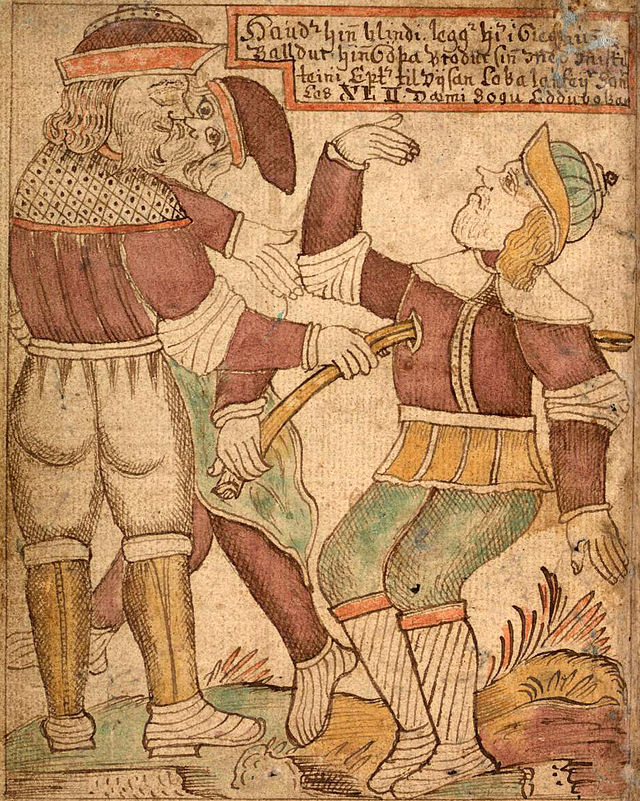
9.Baldur7451 votes
Baldur is the Norse god of beauty, love, happiness, and purity. His death, caused by the trickery of Loki, is often considered one of the pivotal events leading to Ragnarok.
💡 Baldur's death is known as 'Baldur's Banishment' and is a crucial event in Norse mythology.

10.Hel7428 votes
Hel is the goddess of the underworld in Norse mythology, ruling over the realm that shares her name. She is depicted as having a half-living and half-corpse appearance, reflecting her dominion over both life and death.
💡 Hel is the daughter of Loki and the giantess Angerboda.

11.Loki7304 votes
Loki is a complex figure within Norse mythology, often described as a trickster god who disrupts the order of the other gods. His cunning nature and ability to shape-shift make him a pivotal character in many myths, revealing the duality of creation and chaos.
💡 Loki is the father of several monstrous beings, including the wolf Fenrir and the serpent Jörmungandr.

12.Jormungandr6654 votes
Also known as the Midgard Serpent, Jormungandr is a giant sea serpent that encircles the Earth. He is destined to fight Thor during Ragnarok, leading to their mutual destruction.
💡 Jormungandr's presence symbolizes the ultimate battle between order and chaos in Norse mythology.
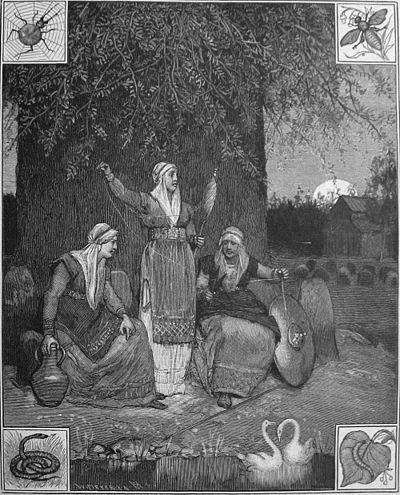
13.Norns5905 votes
The Norns are three powerful female beings who control the fate of gods and men in Norse mythology. They are often depicted as Weavers, spinning the threads of fate at the base of Yggdrasil.
💡 The Norns represent the past, present, and future, demonstrating the intertwined nature of time.

14.Idun5749 votes
Idun is the goddess associated with apples and immortality, guarding the fruits that grant the gods eternal youth. Her abduction by the giant Thjazi triggers a series of catastrophic events in the Nine Worlds.
💡 Idun's apples symbolize rejuvenation and the sustenance of the gods' vitality.

15.Bragi3430 votes
Bragi is the Norse god of poetry and eloquence, recognized for his wisdom and knowledge. He is often depicted with a long beard and a harp, symbolizing his role as a minstrel among the gods.
💡 Bragi is known for his swift and adept storytelling skills, often captivating the audience with his verses.


