This list explores the intricate structure and beliefs of Aztec cosmology, including their divine pantheon, creation myths, and concepts of the universe's layers. It provides insights into how the Aztecs understood the cosmos, life, death, and eternal cycles, reflecting their religion and cultural worldview.

1.Tonatiuh5934 votes
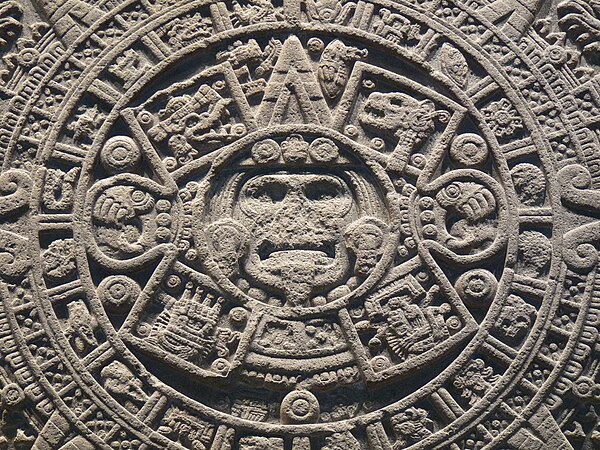
Tonatiuh is the sun god and the central figure on the Aztec Sun Stone, representing the current sun era and the importance of solar worship. He is depicted with a tongue as a stone blade, symbolizing sacrifice.
💡 The Aztecs believed human sacrifice was necessary to ensure the sun's movement and survival of the world.
2.Five Suns (Nahui Ollin)5590 votes
The Aztec myth of the Five Suns describes the successive worlds created and destroyed by divine forces, with each era ending in catastrophe. This legend explains the Aztecs' understanding of cosmic cycles and the significance of the current sun, Nahui Ollin, the Fourth Sun.

3.Teotl4614 votes
Teotl is the concept of divine nature or deity in Aztec belief, representing the sacred force behind all existence. It embodies the idea that the divine is present in all aspects of the universe and nature.
💡 Teotl is often considered beyond human comprehension, emphasizing the mystery of the divine.

4.Quetzalcoatl4585 votes
Quetzalcoatl, the Feathered Serpent, was a major deity associated with wind, Venus, learning, and creation. He was considered a culture hero who taught humanity craft and knowledge.
💡 Quetzalcoatl was sometimes depicted with a white face mask and was linked with the planet Venus, symbolizing dawn and renewal.

5.Xochitl4013 votes
Xochitl is the Aztec symbol for flower and beauty, often associated with fertility and the natural cycle of life. It was used in art, naming, and religious ceremonies to represent growth and renewal.
💡 The word 'Xochitl' also appears in Aztec poetry, symbolizing the fleeting nature of beauty and life's transient moments.
6.Huitzilopochtli3946 votes
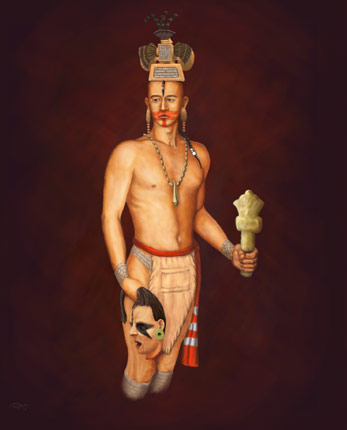
Huitzilopochtli was the Aztec god of sun and war, considered the patron deity of Tenochtitlan. He was central in Aztec religion, requiring human sacrifices to ensure the sun's continued journey across the sky.
💡 The name means 'Hummingbird on the Left,' and he was often depicted as a warrior with a hummingbird headdress.

7.Tlāltikpilli (Earth Mother)3635 votes
Tlāltikpilli is the Aztec goddess representing Earth and fertility, central to their creation stories and agricultural practices. She embodies the nurturing earth that sustains life and is revered in various rituals and offerings.
💡 Often depicted as a monstrous Earth goddess with gaping mouth and claws, Tlāltikpilli signifies both creation and destruction, illustrating the dual nature of the earth in Aztec beliefs.

8.Mictlāntēcutli (God of Death)3445 votes
Mictlāntēcutli is the ruler of Mictlan, the Aztec underworld where souls of the deceased dwell. He is a fearsome deity symbolizing death, mortality, and the journey after life, played a key role in Aztec funeral rites.
💡 Mictlāntēcutli is often depicted with a skull face and body adorned with bones, emphasizing his association with death and the underworld, serving as a reminder of mortality in Aztec culture.
9.Cipatli2985 votes
Cipatli refers to the ceremonial garment associated with Aztec rituals, often worn by priests and nobility during religious ceremonies. It symbolizes purity and dedication to the gods, particularly during offerings and sacrifices.
💡 The term 'Cipatli' is linked to ritual attire, signifying spiritual status and connection to divine forces.

10.Coatlicue2480 votes
Coatlicue was the mother goddess associated with earth and fertility, often depicted wearing a skirt of snakes and a necklace of human hearts and skulls. She embodies both creation and destruction aspects of earth.
💡 Her name translates to 'Serpent Skirt,' emphasizing her connection to earth and renewal cycles.

11.Mictlantecuhtli2198 votes
Mictlantecuhtli was the god of death and ruler of Mictlan, the Aztec underworld. He was depicted as a skeletal figure, overseeing the souls of the dead and associated with the afterlife.
💡 He was often portrayed with a skull face, emphasizing his association with death and the afterlife.

12.Tlaloc2050 votes
Tlaloc was the Aztec god of rain, water, and fertility, revered for his power to bring rain essential for agriculture. He was often depicted with jaguar features and associated with storms.
💡 Tlaloc was believed to reside in the mountain peaks and was believed to control weather phenomena, including storms and droughts.
13.Tonacacihuatl1702 votes
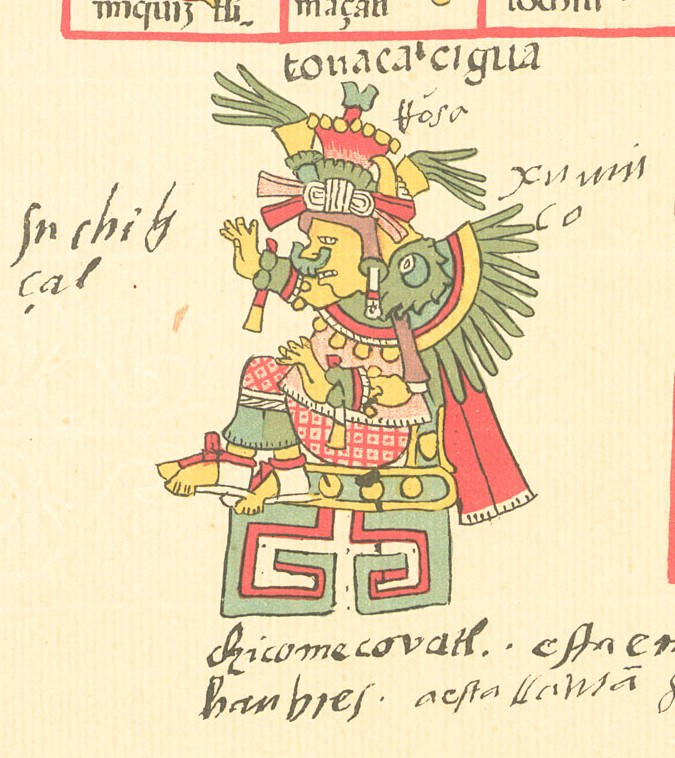
Tonacacihuatl was the goddess of sustenance, representing the earth’s fertility and the fertility of humankind. She was considered one of the primordial earth goddesses and a divine consort of Ometecuhtli.
💡 Her name means 'Our Sustenance Woman,' emphasizing her role in providing food and fertility.
14.Xochiquetzli1266 votes
Xochiquetzli was the goddess of beauty, love, fertility, and flowers. She was often depicted adorned with flowers and associated with young women and femininity.
💡 She was also linked to arts and craftsmen, often invoked in prayers for fertility and creative pursuits.

15.Cuicatl984 votes
Cuicatl refers to song or musical expression in Aztec culture, often associated with rituals and offerings to gods. It played a vital role in ceremonies, reflecting the spiritual and emotional beliefs of the Aztecs.
💡 Music was believed to communicate with the gods and was essential in both religious and social contexts.


