This list explores fundamental cultural concepts found within indigenous cosmologies, highlighting their spiritual and philosophical perspectives on the universe. These ideas reflect indigenous people's understanding of the cosmos, nature, and their place within it, often embedded deeply within rituals, stories, and societal structures.

1.Axis Mundi9245 votes
In many indigenous cosmologies, the Axis Mundi represents the world’s connection between heaven, earth, and the underworld, often symbolized by a sacred tree, mountain, or pole. It functions as the central axis around which the universe is organized and spiritual power is accessed.
💡 The Axis Mundi appears in numerous cultures worldwide, indicating a universal human inclination to understand the universe’s structure symbolically.

2.Mana (Polynesian Cosmology)8460 votes
Mana represents a spiritual force or energy that is fundamental to many Polynesian cultures, symbolizing power, authority, and life essence. Its presence influences social hierarchy and spiritual practices, shaping how the divine interacts with the mortal world.
💡 Mana is also used in various other Pacific Island cultures and has influenced contemporary spiritual and popular culture concepts.

3.Kachina8246 votes
Kachinas are spiritual beings in Hopi and Pueblo belief systems, representing elements of nature, ancestors, or spiritual forces. They play a central role in rituals and ceremonies aimed at ensuring community well-being and harmony.
💡 Kachina dolls are crafted as educational tools and ceremonial objects, symbolizing the presence and teachings of these spiritual beings.
4.Dreamtime (Australian Aboriginal Cosmology)7837 votes
Dreamtime refers to the ancient era when ancestral spirits shaped the world and established the laws of existence, morality, and social order. It is a foundational concept that intertwines creation, spirituality, and daily life, preserving the moral fabric of Indigenous Australian societies.
💡 Dreamtime stories are often communicated through song, dance, and art, maintaining cultural knowledge across generations.
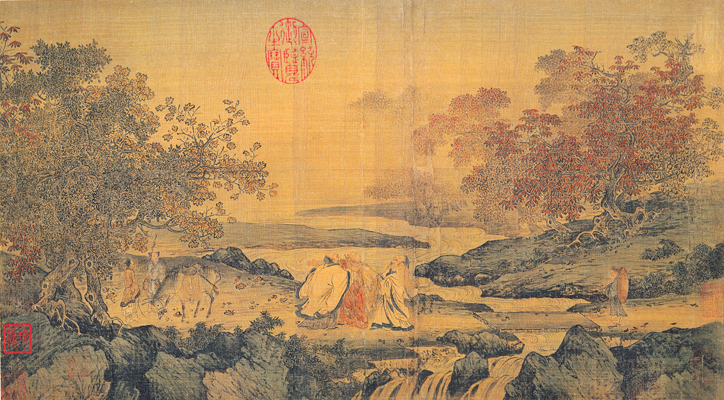
5.Tao (Chinese Indigenous Cosmology)7137 votes
The concept of Tao represents the fundamental principle that is the source of the universe and all natural phenomena in Chinese indigenous thought. It embodies harmony, balance, and the flow of life energy, emphasizing a worldview rooted in aligning with the natural order.
💡 Taoism, based on this concept, has greatly influenced East Asian spiritual and philosophical traditions, emphasizing simplicity and humility.

6.Tir-Na-Nog6139 votes
In Irish mythology, Tir-Na-Nog is the ancient land of youth and eternal spring, often seen as a spiritual realm or afterlife for the souls of the dead. It symbolizes immortality and the eternal cycle of nature.
💡 Tir-Na-Nog is part of a broader Celtic belief in a hidden, idyllic realm accessible through mystical means, reflecting themes of eternal youth and paradise.

7.Orenda4607 votes
Orenda is a concept from Iroquois and other Indigenous North American belief systems referring to a spiritual force or divine power residing in all things. It is considered the vital energy that sustains life and influences events.
💡 The belief in orenda emphasizes harmony with nature and the spiritual interconnectedness of all living things.

8. whakapapa4503 votes
Whakapapa is a fundamental concept in Māori culture representing genealogical descent and the interconnectedness of all living things. It serves as a foundational system for understanding identity, relationships, and land in Māori cosmology.
💡 Whakapapa links individuals to ancestors, lands, and the spiritual realm, forming the basis for Māori social structure and identity.
9.Wakanda3485 votes
In some African indigenous beliefs, Wakanda is regarded as the sacred homeland of the ancestors and a spiritual realm connected to the living world. It signifies ancestral memory and cultural continuity.
💡 The concept of Wakanda influences contemporary cultural representations and emphasizes reverence for ancestors and spiritual heritage.

10.Yiyana3272 votes
Yiyana is a Central Australian Aboriginal cosmological concept representing the sacred law and moral order guiding human behavior and social structure. It encompasses the spiritual rules inherited from ancestral beings.
💡 Yiyana plays a crucial role in maintaining social harmony and spiritual integrity within communities, linked to the Dreamtime creation stories.

11.Orun2849 votes
In Yoruba cosmology, Orun refers to the spiritual realm where ancestors dwell and divine forces originate. It serves as the abode of spirits and the source of spiritual authority and guidance for the living.
💡 The Yoruba believe that Orun interacts constantly with the earthly realm through divine messengers and spiritual rituals.
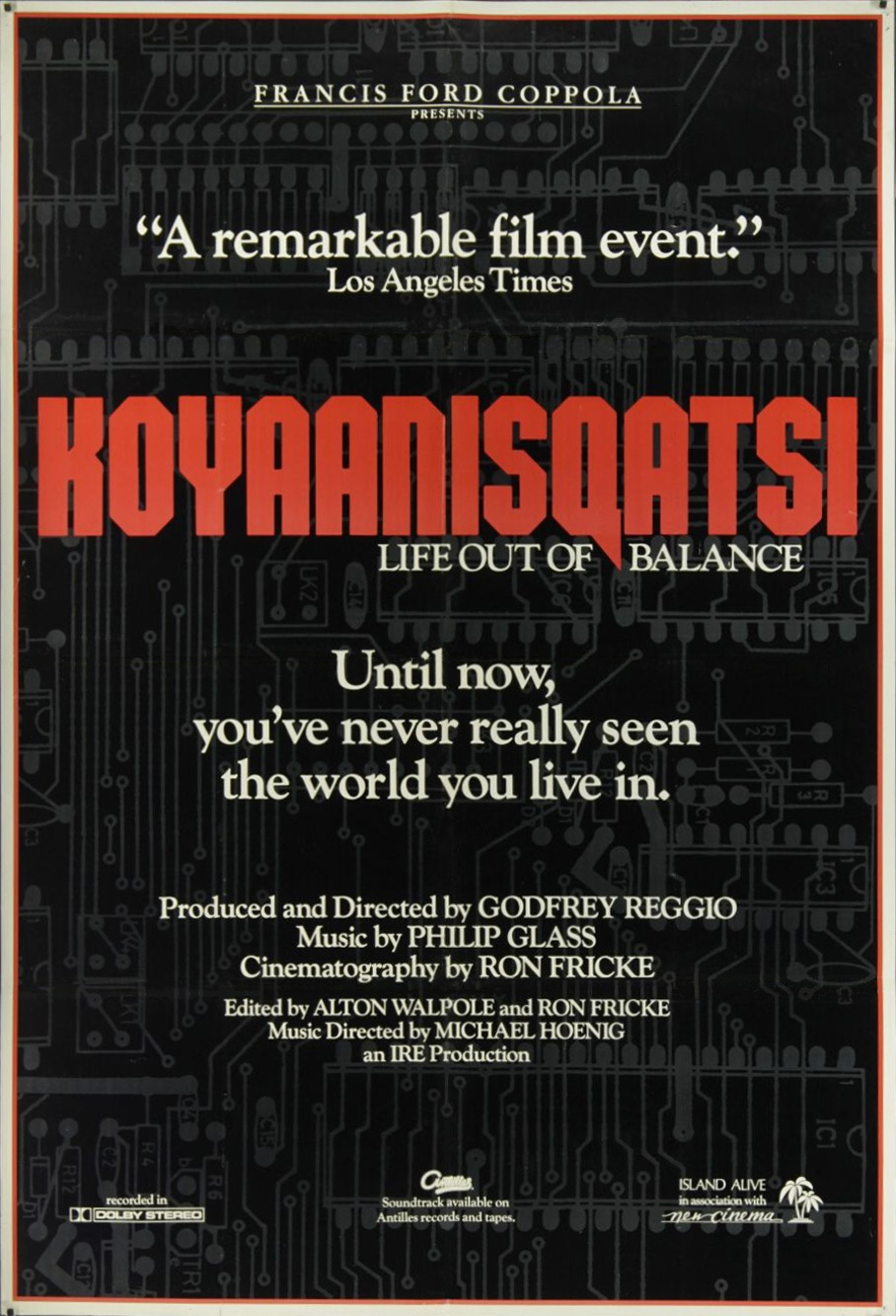
12.Koyaanisqatsi2299 votes
Koyaanisqatsi is a Hopi term meaning 'life out of balance,' symbolizing a state of disharmony between humans and nature. It emphasizes the importance of living in harmony with natural laws and ecological cycles.
💡 The concept gained wider recognition through the 1982 film 'Koyaanisqatsi', highlighting environmental and spiritual themes.

13.Tawa2057 votes
In Māori cosmology, Tawa is the god of the sun, representing light, life, and growth. Tawa is essential for creating the day-night cycle and sustaining life on Earth.
💡 Tawa is often invoked in Māori prayer and rituals related to the sun and life sustenance, emphasizing the spiritual significance of natural elements.


