Myths are traditional stories that serve to explain natural phenomena, cultural practices, and human emotions through symbolic representations. These narratives are deeply embedded in the cultures from which they originate, offering insight into the beliefs and values of their societies.

1.Greek Mythology9652 votes
Greek mythology is a collection of narratives about gods, heroes, and the nature of the world that shaped ancient Greek culture and religion. Its rich tapestry of stories explains moral lessons, human behavior, and the mysteries of life and the universe.
💡 Greek mythology has influenced countless works of art, literature, and philosophy, contributing significantly to the Western canon.

2.Native American Mythology9092 votes
Native American mythology is a diverse landscape of myths and stories that vary among the tribes and nations across North America. These myths often convey lessons about nature, spirituality, and the interconnectedness of life.
💡 The use of storytelling is central to passing down beliefs and cultural practices within Native American communities.

3.Mesoamerican Mythology8858 votes
Mesoamerican mythology includes the religious beliefs and myths of ancient civilizations such as the Mayans and Aztecs, featuring a rich pantheon and numerous creation stories. Major deities include Quetzalcoatl, the feathered serpent, and Tezcatlipoca, the god of night and sorcery.
💡 These myths often focused on cycles of creation and destruction, highlighting the importance of agriculture and the cosmos.

4.African Mythology8209 votes
African mythology encompasses a rich tapestry of myths and legends that vary greatly from region to region. It often includes a wide range of deities, ancestral spirits, and mythic heroes that play essential roles in the cultural identity of various African peoples.
💡 Many African myths are oral traditions, passed down through generations, emphasizing the importance of storytelling in African culture.
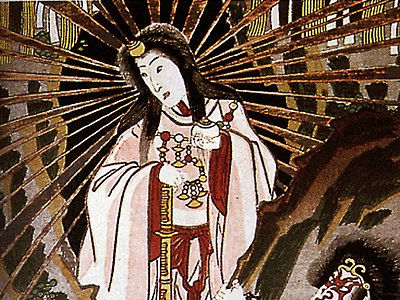
5.Japanese Mythology8167 votes
Japanese mythology encompasses a rich tapestry of gods, spirits, and historical narratives rooted in Shinto and Buddhist beliefs. It features famous deities such as Amaterasu, the sun goddess, and the creation myths of Japan's islands.
💡 The 'Kojiki,' written in 712 AD, is one of Japan's oldest texts and a primary source of its mythology.

6.Chinese Mythology7737 votes
Chinese mythology is a collection of stories, beliefs, and historical accounts rooted in ancient Chinese traditions. It features a wide array of gods, immortals, and legendary figures, influencing various aspects of Chinese culture and society.
💡 The myth of the Jade Emperor represents the highest deity in Taoism and remains significant in Chinese festivals.

7.Hindu Mythology7405 votes
Hindu mythology includes a diverse range of stories and deities, with central narratives found in texts like the Mahabharata and the Ramayana. It features a vast pantheon of gods, including Brahma, Vishnu, and Shiva, each embodying different aspects of the divine.
💡 Hindu mythology's epic tales often teach moral lessons and reflect on the complexities of life and dharma.

8.Norse Mythology6280 votes
Norse mythology comprises the myths of the North Germanic peoples, centered around gods like Odin, Thor, and Freyja, and offering a unique view of destiny, conflict, and the afterlife. It provides a blend of rich storytelling and moral lessons deeply rooted in the Norse culture and its understanding of the world.
💡 The concept of Ragnarök in Norse mythology symbolizes the end of the world and a cyclical rebirth.

9.Roman Mythology6273 votes
Roman mythology is heavily influenced by Greek mythology, featuring a pantheon of gods and goddesses, each embodying various aspects of life and society. Many myths emphasize the importance of fate, virtue, and the glory of Rome.
💡 Jupiter, the king of the gods, is analogous to the Greek god Zeus and was central to many Roman rituals.

10.Celtic Mythology5697 votes
Celtic mythology consists of the mythic traditions of the Celts, including rich stories of gods, heroes, and the Otherworld. It features significant figures such as the Dagda, a father god, and Brigid, a goddess of poetry, healing, and fertility.
💡 Celtic myths often highlight the importance of nature, ancestral spirits, and the connection between the living and the dead.
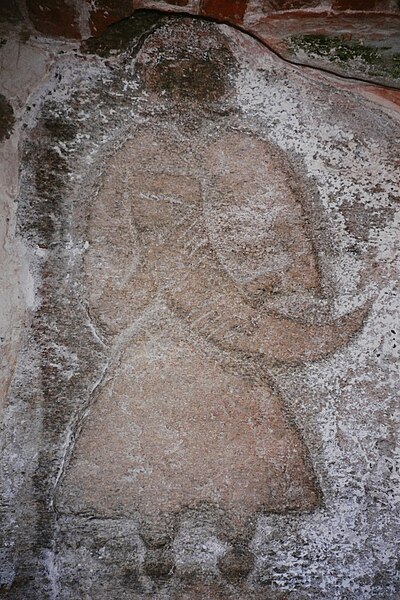
11.Slavic Mythology5463 votes
Slavic mythology is characterized by its pantheon of gods and mythological creatures, deeply intertwined with nature and the agricultural calendar. The myths often revolve around themes of life, death, and the changing seasons.
💡 Supreme god Perun is often associated with thunder and lightning, similar to Zeus in Greek mythology.

12.Zoroastrian Mythology5242 votes
Zoroastrian mythology is the body of traditional beliefs and stories derived from the ancient Iranian religion of Zoroastrianism, founded by the prophet Zoroaster. It addresses themes of duality, morality, and the eternal struggle between good and evil.
💡 Ahura Mazda is the supreme deity in Zoroastrianism, representing truth and light against the evil spirit Angra Mainyu.

13.Egyptian Mythology4932 votes
Egyptian mythology is a complex system of polytheistic beliefs and rituals that formed the basis of ancient Egyptian civilization, featuring a pantheon of gods such as Ra, Isis, and Osiris. These myths have helped historians understand ancient Egyptian society and its profound connection to the afterlife and the natural world.
💡 Egyptians believed in an elaborate afterlife, leading to burial practices and tomb constructions like the pyramids.

14.Inuit Mythology3955 votes
Inuit mythology consists of the myths and legends of the Inuit people of the Arctic and subarctic regions. These stories often reflect the Inuit's connection to the land, sea, and their beliefs in spirits that inhabit the natural world.
💡 The myth of Sedna, the goddess of the sea, reveals the Inuit's respect for marine life.

15.Philippine Mythology3102 votes
Philippine mythology consists of a diverse set of indigenous myths and legends, reflecting the cultures of its many ethnic groups. The myths often feature deities, creation stories, and mythic creatures, illustrating the unique beliefs of the archipelago's people.
💡 Myths often include characters like Bathala, the supreme god, who plays a significant role in creation stories.


