This list explores influential leaders from ancient civilizations who shaped their societies and left a lasting legacy. From military prowess to political reforms, these figures stand out for their remarkable contributions to human history.

1.Cyrus the Great9969 votes
Cyrus the Great was the founder of the Achaemenid Empire and is known for his pioneering approach to governance, which included respect for the customs and religions of the lands he conquered. His legacy includes the creation of the Cyrus Cylinder, often considered the first declaration of human rights.
💡 He established one of the largest empires in history and is credited with laying the foundations for the Persian postal system.

2.Alexander the Great9922 votes
Alexander the Great was one of history's most famous military leaders, known for his extraordinary conquests and the expansion of the Macedonian Empire. His strategies and tactics are still studied in military academies today, and his legacy continues to influence leadership ideals across cultures.
💡 Established one of the largest empires of the ancient world by the age of 30.

3.Nebuchadnezzar II9851 votes
The king of the Babylonian Empire, Nebuchadnezzar II is known for his military conquests and the construction of the Hanging Gardens of Babylon, one of the Seven Wonders of the Ancient World. His reign marked a significant period of cultural and architectural advancement in ancient Mesopotamia.
💡 His military campaigns expanded Babylonian territory significantly, making Babylon a dominant power in the ancient Near East.

4.Julius Caesar9461 votes
Julius Caesar was a pivotal figure in the transformation of the Roman Republic into the Roman Empire, known for his military achievements and political reforms. His assassination in 44 BC marked a turning point in Roman history, leading to the rise of imperial rule.
💡 Introduced the Julian calendar, which is the precursor to the Gregorian calendar used today.
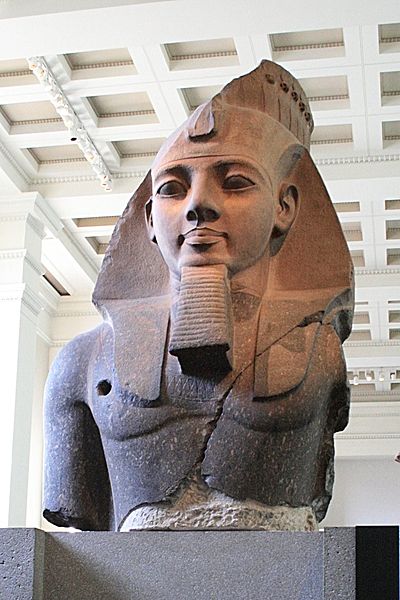
5.Ramesses II9158 votes
Also known as Ramesses the Great, he was the third pharaoh of the Nineteenth Dynasty of Egypt and is often regarded as one of Egypt's most powerful and celebrated pharaohs. His reign was marked by military expeditions, monumental building projects, and the signing of the first known peace treaty.
💡 Ramesses II ruled for 66 years, and his reign was one of the longest in Egyptian history.

6.Napoleon Bonaparte9067 votes
Napoleon Bonaparte was a French military leader and emperor known for his significant impact on European politics and the spread of revolutionary ideals during and after the French Revolution. His reforms in France included the establishment of the Napoleonic Code.
💡 He rose from a relatively modest background to become one of history's most powerful leaders.

7.Charlemagne8972 votes
Also known as Charles the Great, Charlemagne was the king of the Franks who united much of Europe during the early Middle Ages. He became the first Holy Roman Emperor in 800 AD, playing a crucial role in the revival of art, religion, and culture through the Carolingian Renaissance.
💡 He was the first person in centuries to be crowned emperor in Western Europe, leading to the establishment of the Holy Roman Empire.

8.Augustus8969 votes
Augustus was the first Roman emperor and the adoptive son of Julius Caesar, who famously established the Pax Romana, a long period of relative peace and stability across the empire. His reign marked the transformation of Rome from a republic to a dominant empire and he implemented numerous reforms that improved its infrastructure.
💡 He initiated the Roman Empire's golden age and is known for his extensive building programs in the city of Rome.

9.Darius the Great8750 votes
Darius I was the third Persian king of the Achaemenid Empire, ruling from 522 BC to 486 BC, during which he expanded the empire to its peak. His reign is noted for its administrative reforms and building projects, including the construction of Persepolis.
💡 Darius is known for establishing the Royal Road, which facilitated trade and communication across his empire.
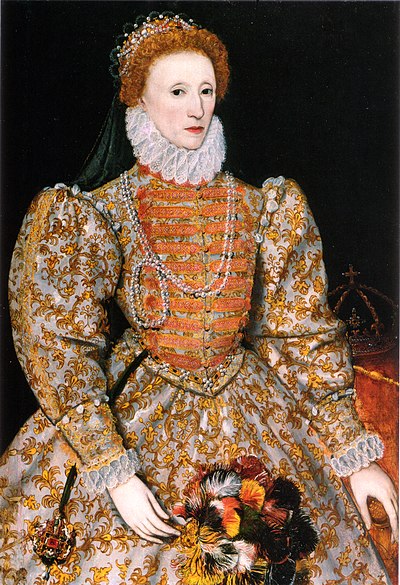
10.Queen Elizabeth I8512 votes
Elizabeth I, the last monarch of the Tudor dynasty, ruled England from 1558 to 1603 and is remembered for her strong leadership during the Elizabethan era. Her reign saw the flourishing of English drama and the defeat of the Spanish Armada.
💡 She never married, earning her the moniker 'The Virgin Queen.'

11.Genghis Khan8512 votes
Genghis Khan, born as Temüjin, founded the Mongol Empire, which became the largest contiguous empire in history after his death. His innovative military strategies and policies fostered trade and cultural exchange across Eurasia.
💡 He unified the Mongol tribes and was known for promoting meritocracy and religious tolerance.

12.Hannibal Barca8419 votes
Hannibal was a Carthaginian general known for his tactical genius during the Second Punic War against Rome. His daring crossing of the Alps with war elephants has become legendary in military history.
💡 He is often regarded as one of the greatest military commanders in history.
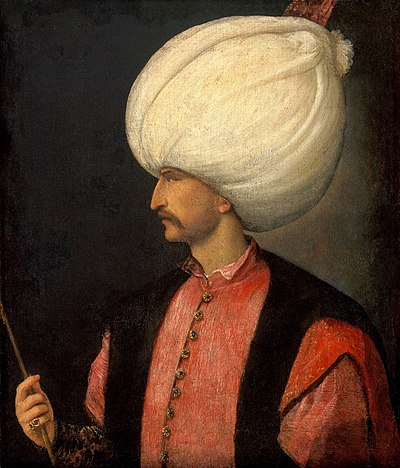
13.Suleiman the Magnificent8213 votes
Suleiman I was the tenth and longest-reigning sultan of the Ottoman Empire, from 1520 to 1566, known for his significant legislative and cultural contributions. Under his rule, the empire reached its zenith in terms of territorial expansion, culture, and influence.
💡 Suleiman's reign is often hailed as the Golden Age of the Ottoman Empire, characterized by cultural flourishing.

14.Hammurabi8184 votes
Hammurabi was the sixth king of the First Babylonian Dynasty, best known for the Code of Hammurabi, one of the earliest and most complete written legal codes. His rule marked a significant advancement in the establishment of laws and governance in ancient societies.
💡 His code included laws covering various aspects of daily life, significantly influencing legal systems.

15.Emperor Meiji8123 votes
Emperor Meiji was instrumental in the modernization of Japan during the Meiji Restoration, which transformed the nation from a feudal society into a global power. Under his rule, Japan adopted Western political, military, and educational models.
💡 He was the first Japanese emperor in over 1,000 years to be actively involved in government.


