This curated list explores the minds that have profoundly shaped human thought and ethics throughout history. Each philosopher's contribution has both reflected and influenced society, making their works timeless and essential to understanding our world.
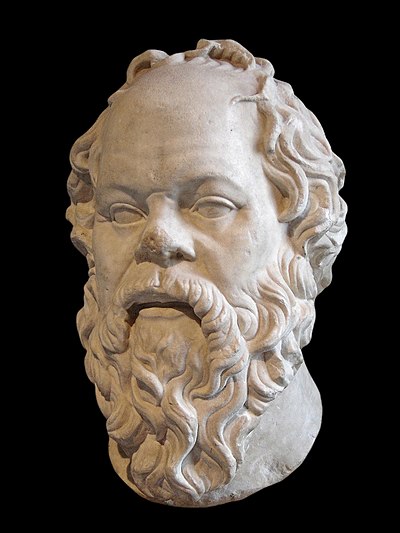
1.Socrates9868 votes
As the father of Western philosophy, Socrates introduced the practice of critical thought and dialogue through the Socratic method, a form of cooperative argumentative dialogue. His ideas on ethics and epistemology laid the groundwork for much of Western philosophical thought.
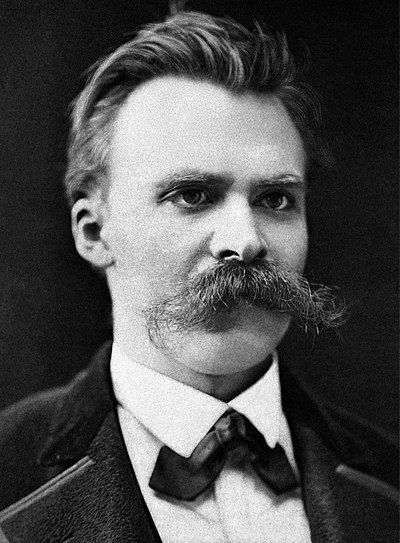
2.Friedrich Nietzsche8995 votes
Nietzsche was a German philosopher known for his critique of traditional morality and religion, advocating for the concept of the Übermensch. His works explore the idea of life-affirmation and the importance of individuality.
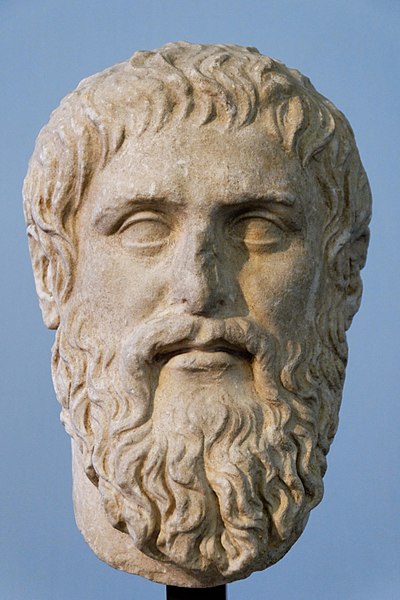
3.Plato8785 votes
A student of Socrates, Plato established the Academy in Athens, one of the earliest known organized schools in Western history. His dialogues cover various topics including justice, beauty, and equality, forming the basis of Western political theory and metaphysics.

4.Simone de Beauvoir8387 votes
A French existentialist philosopher, Beauvoir is best known for her feminist writings, particularly 'The Second Sex'. She argued for women's liberation and questioned the roles assigned to women in society.

5.Immanuel Kant8233 votes
Immanuel Kant revolutionized philosophy with his critique of pure reason, arguing that human experiences are shaped by the concepts we possess. His ideas on metaphysics, ethics, and aesthetics have had a profound impact on modern philosophy and continue to influence various fields.

6.Gautama Buddha8181 votes
Buddha was an Indian prince whose teachings laid the foundation for Buddhism, emphasizing the path to enlightenment and the cessation of suffering. His Four Noble Truths and the Eightfold Path are essential elements of his philosophy.

7.Jean-Paul Sartre7732 votes
A French existentialist philosopher, Sartre is best known for his works that explore freedom, choice, and the nature of existence. He famously declared that 'existence precedes essence', emphasizing the importance of personal responsibility and authenticity.

8.Confucius7647 votes
Confucius was a Chinese philosopher whose teachings focused on morality, family loyalty, and respect for elders. His thoughts on ethics and social relationships have profoundly influenced Chinese civilization and East Asian cultures.
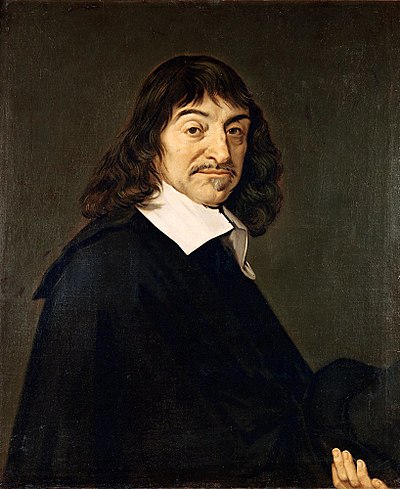
9.René Descartes6766 votes
A French philosopher, mathematician, and scientist, Descartes is often referred to as the father of modern philosophy. He is famous for his statement, 'Cogito, ergo sum' (I think, therefore I am), which emphasizes the act of thinking as the foundation of existence.

10.Martin Heidegger6538 votes
Heidegger was a German philosopher whose work is fundamentally concerned with the question of being. His book 'Being and Time' explores existence and introduces the concept of Dasein, highlighting the importance of time and history in understanding being.

11.Baruch Spinoza5695 votes
Spinoza was a Dutch philosopher known for his work on ethics and rationalism, particularly his book 'Ethics'. He proposed a view of the universe where God and Nature were one and emphasized the power of reason in attaining happiness.

12.John Stuart Mill5610 votes
An English philosopher and political economist, Mill is best known for his contributions to liberal thought and utilitarianism. He advocated for individual freedom and the principle of the greatest happiness for the greatest number.

13.Thomas Hobbes4958 votes
Hobbes was an English philosopher best known for his political philosophy, particularly his social contract theory outlined in his work 'Leviathan.' He believed that the natural state of humanity is one of chaos and conflict, necessitating an absolute sovereign to maintain order.

14.David Hume4939 votes
A Scottish philosopher, Hume is known for his empiricism and skepticism regarding human understanding. He argued that knowledge arises only from sensory experiences and questioned the notion of causation and the self.

15.Hannah Arendt4388 votes
A German-American philosopher, Arendt is known for her work on political theory, totalitarianism, and the nature of evil. Her book 'The Human Condition' examines the vita activa and the ways in which people engage with the world.


