This list highlights some of the most acclaimed and timeless concertos in classical music history. Featuring works by renowned composers, these concertos are celebrated for their musical complexity, emotional depth, and virtuosic demands. They represent the pinnacle of concerto composition across different musical eras, from Baroque to Romantic.
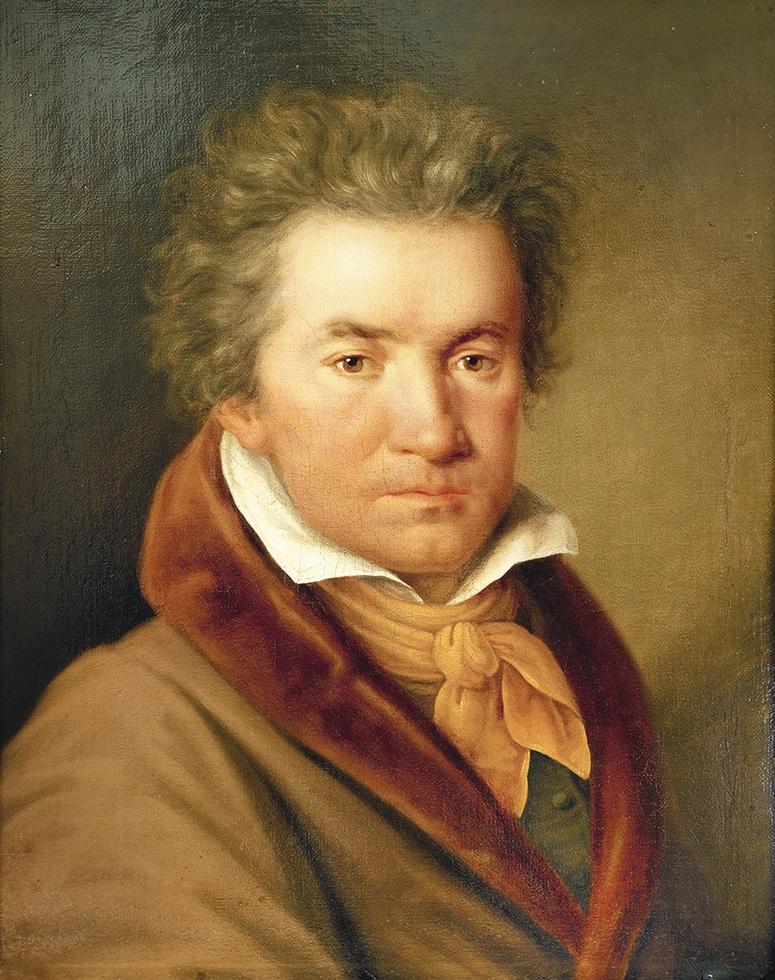
1.Ludwig van Beethoven - Piano Concerto No. 5 'Emperor'14572 votes
Beethoven's Piano Concerto No. 5, known as the 'Emperor', is a monumental work that combines lyrical elegance with heroic grandeur. It is a cornerstone of the Romantic concerto repertoire, demanding exceptional skill from both pianist and orchestra.
💡 Nicknamed the 'Emperor' after a dedication by the composer, this concerto was among the first to elevate the piano concerto to a level comparable with symphonic masterpieces.

2.Antonio Vivaldi - The Four Seasons12092 votes
Although technically a set of solo concertos, The Four Seasons are celebrated concertos that vividly depict the changing seasons through vivid musical imagery. Composed during the Baroque period, they are known for their inventive use of violin technique and expressive programmatic content.
💡 The work was revolutionary for its vivid depiction of nature’s different moods, pioneering the concept of musical programmatic storytelling.

3.Johann Sebastian Bach - Concerto for Two Violins in D Minor, BWV 104310242 votes
This virtuoso work by Bach exemplifies Baroque concerto craftsmanship, blending intricate counterpoint with expressive lyricism. It remains a fundamental piece for understanding Baroque violin technique and ensemble interplay.
💡 Often performed by top-tier violinists, it exemplifies Bach's mastery in combining technical brilliance with expressive depth.
4.Brandenburg Concerto No. 3 in G Major, BWV 10488795 votes
Johann Sebastian Bach's Brandenburg Concerto No. 3 is renowned for its energetic and intricate three-movement structure. It highlights the baroque concerto grosso form with vivid string and continuo interplay.
💡 Often performed as a showcase of baroque instrumental mastery, it has been influential in Western classical music.

5.Piano Concerto No. 21 in C Major, K. 4678573 votes
Composed by Wolfgang Amadeus Mozart, this concerto is renowned for its lyrical second movement, often called 'Elvira Madigan'. It exemplifies classical clarity and graceful elegance, making it a staple of the piano concerto repertoire.
💡 This concerto was first performed in 1785 and remains one of Mozart’s most popular works.
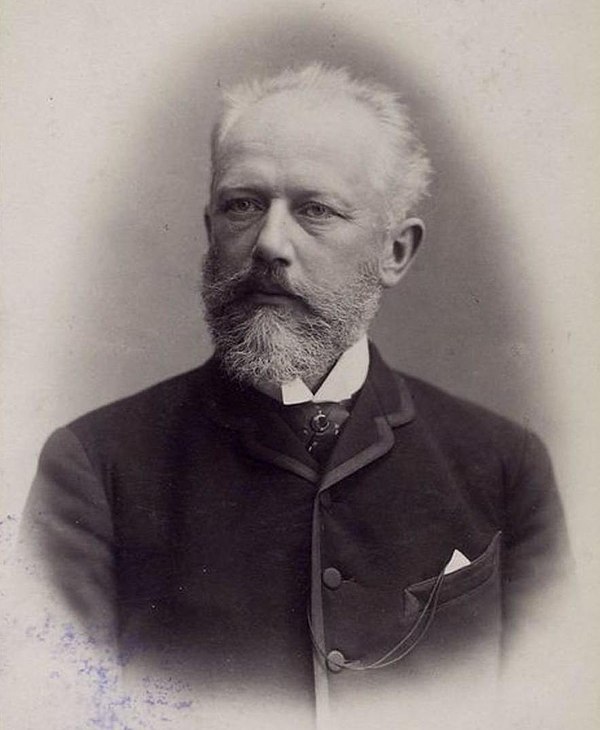
6.Violin Concerto in D Major, Op. 357853 votes
Composed by Pyotr Ilyich Tchaikovsky, this concerto is celebrated for its passionate melodies and demanding technical passages. It has become a cornerstone of the violin repertoire and is frequently performed worldwide.
💡 The concerto was composed in 1878 and was initially met with mixed reviews but has since gained immense popularity.

7.Piano Concerto No. 2 in C Minor, Op. 187376 votes
Composed by Sergei Rachmaninoff, this concerto is known for its lush harmonies and expressive depth. It is a staple of the Romantic piano concerto repertoire and showcases Rachmaninoff's lyrical skill.
💡 Dedicates to Rachmaninoff’s teacher, Nikolai Zverev, and became a signature piece for many pianists after its premiere in 1901.

8.Cello Concerto in E Minor, Op. 856414 votes
Composed by Edward Elgar, this concerto is renowned for its emotional depth and lyrical beauty. It is a staple of the cello repertoire and reflects Elgar's mature style, often associated with introspection.
💡 Written during World War I, it was dedicated to the cellist Felix Salmond, who premiered the work.

9.Concerto for Orchestra5796 votes
Composed by Bela Bartók, this concerto showcases the orchestra as a soloist ensemble with diverse and colorful movements. It is renowned for its rhythmic vitality and inventive orchestration.
💡 First performed in 1944, it is considered one of the greatest works of 20th-century orchestral music.
10.Concerto for Clarinet and Orchestra in A Major, K. 6225424 votes
This was Wolfgang Amadeus Mozart's final completed work and features a beautiful, lyrical clarinet solo. It is admired for its emotional depth and classical elegance.
💡 Premiered in 1791, just months before Mozart's death, it remains a cornerstone of clarinet repertoire.

11.Bassoon Concerto in F Major, K. 1915333 votes
Written by Wolfgang Amadeus Mozart, this concerto highlights the expressive capabilities of the bassoon. It is admired for its lyrical melodies and brilliant orchestration.
💡 It was composed in 1774 and showcases Mozart's mastery in writing for wind instruments.
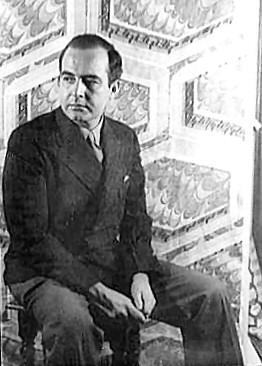
12.Adagio for Strings4951 votes
Written by Samuel Barber, this piece is one of the most emotionally moving works in the string quartet repertoire. Its mournful, lyrical lines are often used in memorials and ceremonies.
💡 Originally part of Barber's String Quartet, Op. 11, adapted into this orchestral arrangement in 1938.
13.Sinfonia Concertante in E-flat Major, K. 3644639 votes
Mozart’s Sinfonia Concertante features violin and viola soloists with a full orchestra, blending lyrical melodies with virtuosic interplay. It exemplifies the elegance of classical concerto form.
💡 Composed in 1779, it is regarded as a pinnacle of Mozart's chamber music compositions.

14.Double Concerto for Violin and Cello4346 votes
Composed by Johannes Brahms, this concerto features a unique and rich dialogue between the violin and cello. It is celebrated for its lyrical melodies and complex harmony.
💡 Completed in 1887, it was one of Brahms’ last orchestral works and showcases the depth of chamber music within a concerto setting.


