Delve into the world of classical music with this curated list of legendary composers who have shaped the soundscape of history. Their innovative compositions and artistic genius continue to inspire musicians and enthusiasts alike, leaving an indelible mark on the cultural tapestry of humanity.

1.Ludwig van Beethoven10037 votes
A titan of classical music, Beethoven's works bridged the gap between the Classical and Romantic eras, introducing profound emotional depth and structural innovation. His symphonies and sonatas, especially the Ninth Symphony with the choral finale, remain timeless masterpieces celebrated for their humanity and brilliance.
💡 Beethoven began losing his hearing in his late 20s, yet continued to compose some of his most celebrated works.

2.Antonio Vivaldi9126 votes
Antonio Vivaldi was an Italian baroque composer, priest, and virtuoso violinist, best known for his concertos, particularly 'The Four Seasons'. His works are characterized by energetic melodies and rhythmic drive.
💡 Vivaldi composed over 500 concertos, many of which remain in the standard repertoire today.

3.Wolfgang Amadeus Mozart8725 votes
Mozart's genius was evident from an early age, as he composed over 600 works that are revered for their melodic beauty and formal precision. His operas, symphonies, and chamber music are seen as epitomes of classical style, showcasing an extraordinary understanding of harmony and structure.
💡 Mozart wrote his first symphony at the age of eight.

4.Johann Sebastian Bach7677 votes
Regarded as one of the greatest composers of all time, Bach's intricate counterpoint and deep spiritual connection within his works have left a lasting legacy in the realm of music. His compositions, such as the Brandenburg Concertos and The Well-Tempered Clavier, highlight his extraordinary mastery over melody and harmony.
💡 Bach was nearly blind at the time of his death, yet he continued to compose.

5.Pyotr Ilyich Tchaikovsky7043 votes
A Russian composer of the late-Romantic period, Tchaikovsky is renowned for his ballets such as 'Swan Lake' and 'The Nutcracker'. His music is known for its melodic richness and emotional depth, as well as its use of folk melodies.
💡 Tchaikovsky was the first Russian composer whose music gained widespread recognition in the West.

6.Igor Stravinsky6961 votes
A Russian-born composer, Stravinsky is renowned for his groundbreaking works that transformed the landscape of classical music, particularly with his ballet scores like 'The Firebird' and 'The Rite of Spring'. His compositions often feature complex rhythms and innovative orchestration.
💡 The premiere of 'The Rite of Spring' in 1913 famously caused a riot in the audience due to its avant-garde style.

7.Claude Debussy6526 votes
A French composer associated with Impressionism, Debussy is famous for his innovative orchestral textures and harmonic experimentation. His most well-known works include 'Clair de Lune' and 'La Mer'.
💡 Debussy's music was influenced by the aesthetics of Symbolism and he sought to express mood and atmosphere rather than adhere to traditional forms.

8.Dmitri Shostakovich6161 votes
Dmitri Shostakovich was a Soviet composer and pianist, a major figure in 20th-century music renowned for his symphonies and string quartets. His work often reflected the political turmoil of his time, resulting in a complex relationship with Soviet authorities.
💡 Shostakovich's 'Symphony No. 5' was a response to government criticism and has been interpreted as both a conformist work and a subtle act of defiance.
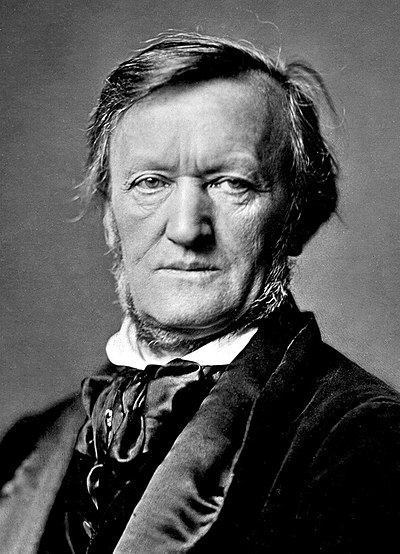
9.Richard Wagner5993 votes
Richard Wagner was a German composer, theater director, and polemicist known for his operas, particularly 'The Ring Cycle'. His works introduced complex harmonies and dramatic storytelling to classical music.
💡 Wagner's innovative use of leitmotifs has had a lasting impact on the narrative structure of contemporary music.

10.Johannes Brahms5528 votes
Johannes Brahms was a German composer and pianist of the Romantic period, known for his symphonies, concertos, and chamber works that blend classical forms with romantic warmth. His compositions are marked by rich harmonies and intricate counterpoint.
💡 Brahms was known for his meticulous approach to composition, often revising works for years before publication.

11.Frédéric Chopin5060 votes
A Polish composer and virtuoso pianist of the Romantic era, Chopin is known for his solo piano compositions. His works, including nocturnes and études, are characterized by their emotional depth and technical brilliance.
💡 Chopin composed almost exclusively for the piano, creating over 200 works during his lifetime.

12.Sergei Rachmaninoff4388 votes
Sergei Rachmaninoff was a Russian composer, pianist, and conductor, known for his lush melodies and complex harmonies. His works include concertos and symphonic poems that retain their popularity in concert halls today.
💡 Rachmaninoff's musical career was revitalized by the success of his 'Piano Concerto No. 2' after a period of depression and self-doubt.

13.Franz Schubert3291 votes
Franz Schubert was an Austrian composer, known for his lieder (songs) and symphonies, whose works laid the foundation for the Romantic era in classical music. His melodies are often characterized by their lyricism and emotional depth.
💡 Schubert composed over 600 Lieder, many of which remain staples of the vocal repertoire.

14.Gustav Mahler3204 votes
Gustav Mahler was an Austrian composer and conductor known for his large-scale symphonies and song cycles that combine orchestral and vocal music. His symphonic works often explore themes of death, love, and existential questions.
💡 Mahler's symphonies are known for their emotional depth and complexity, earning him recognition as a pivotal figure in late-Romantic music.


