This list highlights the most widely used mobile operating systems that power the majority of smartphones worldwide. These platforms influence app ecosystems, user experience, and technological innovation, shaping the future of mobile communications.

1.Android10092 votes
Android, developed by Google, is the most popular mobile operating system globally, powering a vast range of devices from various manufacturers. Its open-source nature fosters a wide ecosystem of apps and customization options, making it accessible and versatile for users worldwide.
💡 First released in 2008, Android has become the most installed mobile OS worldwide, surpassing other platforms rapidly.

2.iOS8814 votes
iOS, developed by Apple Inc., is known for its smooth user experience, robust security, and seamless integration with other Apple devices. It exclusively runs on Apple's iPhone, iPad, and iPod Touch, and is praised for its curated app store and consistent updates.
💡 First released in 2007 alongside the original iPhone, iOS has maintained a reputation for premium design and security features.

3.LineageOS7363 votes
LineageOS is an open-source operating system for smartphones and tablets, based on the Android platform. It is popular among enthusiasts for its customization, privacy features, and extended device support.
💡 LineageOS originated from CyanogenMod and is known for providing a bloatware-free experience.
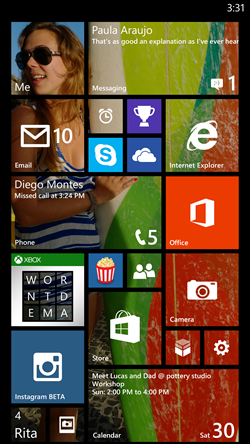
4.Windows Phone4978 votes
Windows Phone was a mobile operating system developed by Microsoft, offering a unique tile-based interface and integration with Microsoft services. Although discontinued, it influenced the design of later mobile OS developments.
💡 Windows Phone was officially discontinued in 2017, but it played a significant role in mobile OS evolution.

5.HarmonyOS2864 votes
HarmonyOS, developed by Huawei, aims to create a seamless experience across smartphones, tablets, and IoT devices. It is designed to be a versatile, cross-device operating system.
💡 Huawei launched HarmonyOS in 2019 as an alternative to Android, especially for its devices in China.

6.Firefox OS (discontinued)2166 votes
Firefox OS was an open-source operating system developed by Mozilla, aimed at low-cost smartphones and feature phones. It focused on web-based applications and an innovative user interface.
💡 The project was discontinued in 2016 due to limited market adoption.

7.KaiOS2031 votes
KaiOS is a lightweight mobile operating system based on Linux, designed to bring smartphone capabilities to feature phones and low-end devices. It supports popular apps and services, bridging the gap between traditional feature phones and smartphones in emerging markets.
💡 Based on Firefox OS and supporting apps like Facebook, YouTube, and WhatsApp, KaiOS continues expanding its market presence across Africa, India, and Latin America.
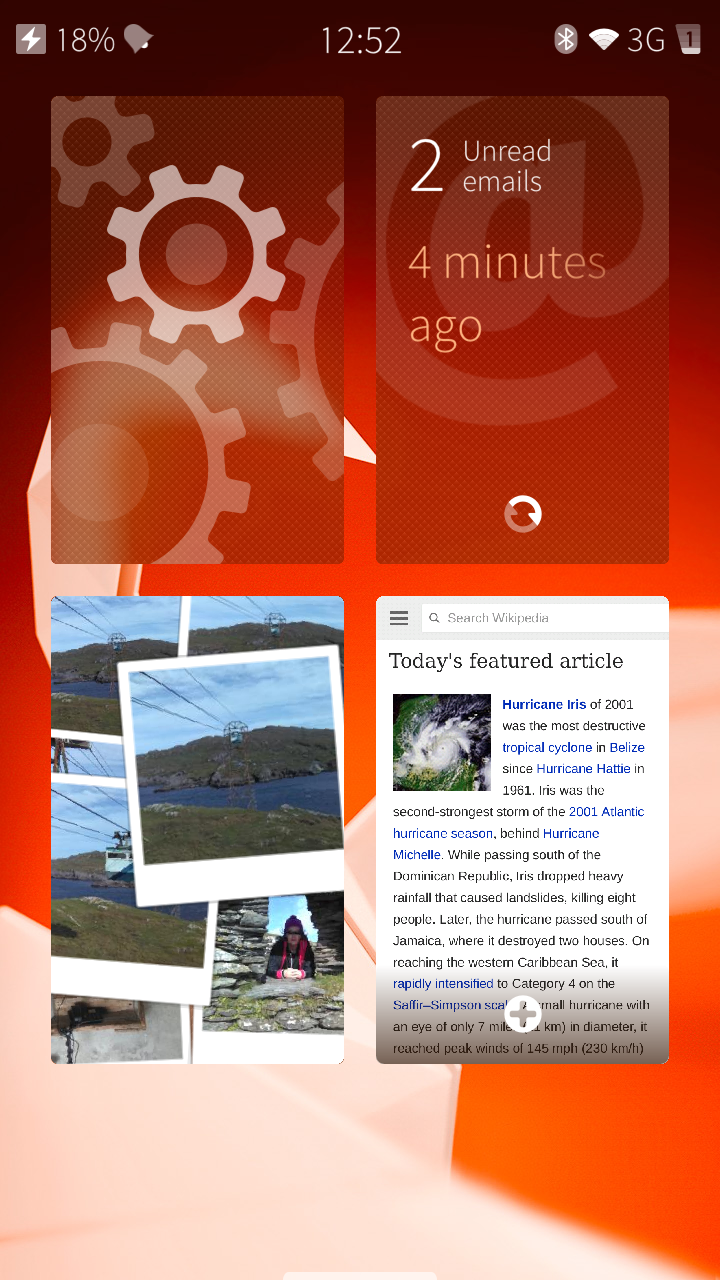
8.Sailfish OS1676 votes
Sailfish OS is a Linux-based mobile operating system developed by Jolla, known for its focus on privacy and user control. It is used mainly on privacy-focused smartphones and some other devices.
💡 Sailfish OS supports Android app compatibility, making it versatile for users seeking open-source options.

9.PostmarketOS1011 votes
PostmarketOS is a Linux-based operating system for smartphones focused on long-term support and sustainability. Its goal is to turn smartphones into fully functional Linux computers.
💡 Designed to run on aging hardware, enabling devices to have support years beyond their typical lifespan.

10.Putin OS823 votes
Putin OS is a Russian-developed mobile OS aimed at strengthening national cybersecurity and promoting domestic technology. It is designed to replace foreign OSes in government devices.
💡 It is based on a Linux kernel and complies with Russian data sovereignty laws.

11.Fennec OS796 votes
Fennec OS is a mobile operating system designed primarily for low-cost devices and developing markets. It aims to provide simple smartphone functionality with resource efficiency.
💡 Focuses on reducing hardware requirements, enabling cheaper devices to run smartphones smoothly.

12.Ubuntu Touch667 votes
Ubuntu Touch is a mobile version of the popular Ubuntu Linux-based operating system aimed at creating a unified experience across mobile devices and desktops. It emphasizes freedom, privacy, and community-driven development.
💡 Ubuntu Touch is notable for its convergence feature, allowing your device to work as a PC with a keyboard and monitor when connected.

13.GrapheneOS442 votes
GrapheneOS is a security and privacy-focused open-source Android-based operating system for Pixel devices. It offers enhanced security features and minimal data collection.
💡 Recognized for its strong security model, it is used by privacy advocates and security-conscious users.


