This list offers essential photography techniques tailored for beginners eager to improve their skills. It covers foundational concepts such as composition, lighting, and camera settings, providing a practical guide to capturing stunning images from the start.
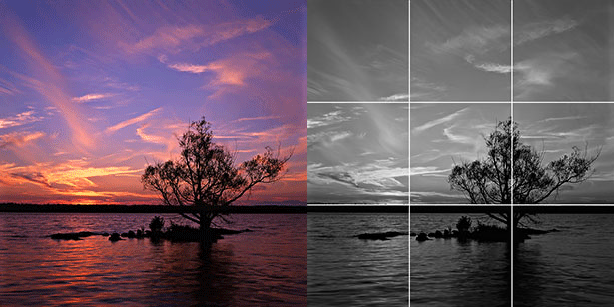
1.Rule of Thirds15998 votes
The rule of thirds is a fundamental compositional technique that involves dividing an image into nine equal segments with two horizontal and two vertical lines. Placing key elements along these lines or at intersections creates balanced and engaging photographs.

2.Understanding Exposure14744 votes
Understanding exposure involves mastering the relationship between aperture, shutter speed, and ISO to control the amount of light reaching the camera sensor. Proper exposure ensures images are neither too dark nor too bright, resulting in clear and vibrant photos.

3.Focus Techniques14168 votes
Mastering focus techniques helps ensure your subject is sharp and clear, which is vital for impactful photography. Techniques include selecting the right autofocus mode, using manual focus when necessary, and understanding depth of field to emphasize the subject.

4.Bokeh Effect2577 votes
Achieved by using wide apertures to create a shallow depth of field, blurring background lights into pleasing circles. This technique highlights the subject against a soft and aesthetic backdrop.
💡 Bokeh is derived from a Japanese word meaning 'blur', and some lenses are specifically designed to produce distinctive bokeh shapes.

5.Long Exposure Photography2427 votes
Using slow shutter speeds to capture motion over time, creating effects like light trails or smooth waterfalls. A tripod is essential to keep the camera steady during long exposures.
💡 Long exposure can transform ordinary scenes into dynamic pieces of art, often used in night photography.

6.Golden Hour Shooting2150 votes
Capturing photographs during the golden hour—the period shortly after sunrise or before sunset—yields warm, soft light that enhances images. It is prized for creating natural glow and reducing harsh shadows.
💡 Some of the most iconic landscape photos are taken during this period due to optimal light quality.

7.Leading Lines1687 votes
Using natural lines within a scene to draw the viewer's eye towards the main subject. This technique adds depth and perspective, making images more engaging.
💡 Leading lines can be found in architecture, pathways, rivers, or fences, guiding the viewer's attention effectively.

8.Panoramic Photography1594 votes
Capturing wide-angle scenes by stitching multiple images together creates expansive landscapes or cityscapes. This technique provides a sense of immersion for viewers.
💡 Panoramas originated in painting before transitioning into photography as a way to showcase vast environments.

9.Playing with Shadows1499 votes
Incorporating shadows creatively can add drama, contrast, and texture to an image. This technique emphasizes shape and form through stark light-dark contrasts.
💡 Shadows can reveal contours and details otherwise unseen, making them a powerful compositional tool.

10.HDR Photography1435 votes
High Dynamic Range (HDR) involves capturing multiple images at different exposures and combining them to create a photo with a vast range of luminosity. This technique is especially useful in high-contrast scenes.
💡 Advanced HDR processing can result in surreal images but requires careful tone mapping to avoid unrealistic effects.

11.Backlighting1065 votes
Placing the light source behind your subject creates silhouettes or highlighted edges, adding dramatic effect. It requires careful exposure adjustments to avoid underexposing the subject.
💡 Backlighting can emphasize textures and shapes that might go unnoticed under direct light.
12.Reflections1064 votes
*Utilizing reflective surfaces such as water, glass, or metal to add symmetry and interest. Reflections can double the visual complexity of a scene or create abstract compositions.*
💡 *Reflections are often used in landscape and urban photography to add depth and artistic flair.*
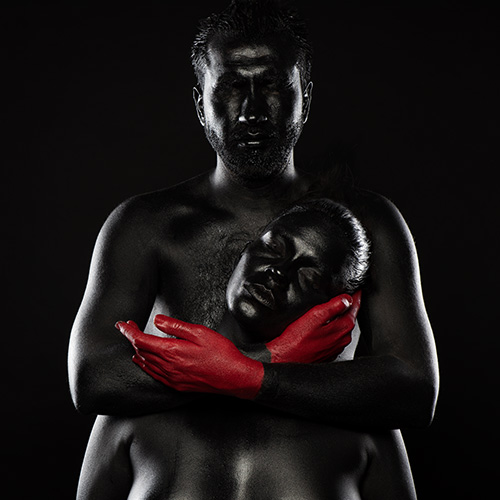
13.Mixed Lighting Techniques581 votes
Combining different types of light sources — natural and artificial — can create complex color effects or highlight specific aspects of a scene. Mastering white balance is crucial for balanced results.
💡 Though challenging, mixed lighting allows for creative expression beyond conventional shooting conditions.


