This list compiles essential and practical film directing tips tailored for beginners, focusing on foundational techniques and creative insights. Each tip aims to enhance storytelling, directorial confidence, and technical skills to help newcomers produce compelling films.

1.Understand the Power of Visual Composition8978 votes
Mastering framing, camera angles, and shot composition helps convey emotions and storytelling more effectively. Experimenting with visual aesthetics can elevate the narrative and engage viewers deeply.
💡 Studios often spend months planning shot compositions to enhance storytelling.

2.Understand Sound Design8127 votes
Sound is a vital element that enhances mood, atmosphere, and narrative. Learning the basics of sound editing and design can add depth and professionalism to your film.
💡 Some iconic scenes are remembered more for their sound design than visuals, emphasizing its importance.

3.Edit Ruthlessly7972 votes
Editing is where a film truly comes together; learn to cut for pacing, emotion, and clarity. Be willing to cut scenes that don’t serve the story to maintain audience engagement.
💡 Successful editors often say ‘less is more,’ emphasizing the importance of tight editing to keep momentum.

4.Plan Your Shots with Storyboards6983 votes
Creating storyboards helps visualize scenes before shooting, ensuring clarity in your vision. This process saves time and resources during production.
💡 Many legendary directors, like Spielberg, use detailed storyboards to guide complex scenes efficiently.

5.Direct Actors with Clarity and Compassion2043 votes
Effective actor direction requires clear communication of your vision combined with empathy and encouragement. Building trust with actors results in authentic performances that bring the story to life.
💡 Famous directors like Robert Altman were renowned for their collaborative and actor-focused directing style.

6.Focus on Storytelling and Script1838 votes
A strong, well-structured script is the backbone of any successful film. Developing a clear story and compelling characters early on guides all other aspects of directing and production.
💡 Many acclaimed directors, like Quentin Tarantino, emphasize writing as a crucial first step in filmmaking.
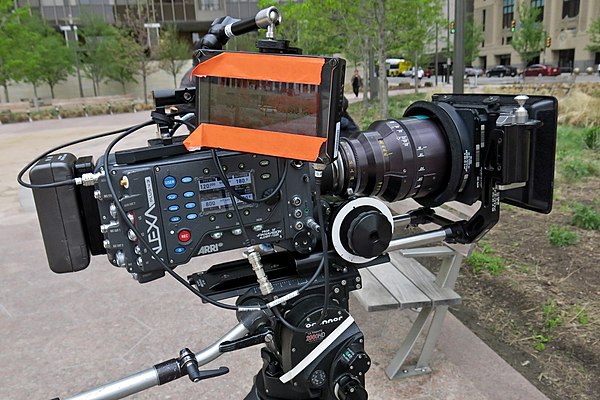
7.Learn Basic Cinematography Techniques1304 votes
Understanding fundamental cinematography, including shot composition, lighting, and camera movements, is crucial for translating your vision onto the screen. Mastering these skills enables better collaboration with your crew and enhances visual storytelling.
💡 Many successful directors like Christopher Nolan started with a strong understanding of camera and lighting techniques.


