This list explores the most impactful and widely used film editing techniques that contribute to storytelling, mood, and pacing. These techniques have shaped cinematic language and continue to influence filmmakers around the world, helping to craft compelling narratives and emotional experiences.
1.Montage12815 votes
Montage involves the rapid succession of shots to condense space and time, often used to show passage of time or to create a specific emotional or thematic effect. It is a powerful editing technique that can evoke strong responses and deepen narrative complexity.
2.Continuity Editing11777 votes
Continuity editing ensures seamless flow between shots, maintaining spatial and temporal coherence to help viewers follow the story effortlessly. It employs specific techniques like matching on action and screen direction to preserve illusion and narrative clarity.

3.L-Cut and J-Cut11181 votes
L-Cuts and J-Cuts are editing techniques where the audio from one scene overlaps into the next or precedes it. They facilitate smooth transitions and maintain audio-visual continuity, enhancing emotional and narrative flow.
💡 These cuts are named for the shape of their audio waveforms and are essential tools in conversational and dramatic scenes.
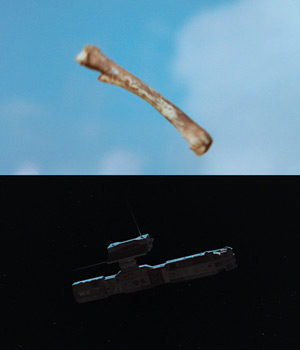
4.Match Cut9594 votes
A match cut is an editing transition between two scenes that are linked by visual or thematic similarity, creating a seamless or impactful transition. It often emphasizes a connection or contrast between the two scenes.
💡 Famous example includes the bone-to-satellite transition in '2001: A Space Odyssey'.

5.Cross-Cutting9345 votes
Cross-cutting, also known as parallel editing, involves intercutting between two or more actions happening simultaneously in different locations. This technique builds tension and links scenes visually by showing events unfolding side by side.
💡 Popularized in silent films, cross-cutting has become a staple in building suspense and narrative momentum.
6.Shot Rearrangement8197 votes
Shot rearrangement involves editing shots out of chronological order to enhance storytelling, such as flashbacks or non-linear narratives. It allows filmmakers to create mystery or deepen character development by revealing information strategically.
💡 This technique is notably used in films like 'Memento' and 'Pulp Fiction' to manipulate audience perception.

7.Jump Cut6488 votes
A jump cut deliberately breaks continuity to create a jarring or disorienting effect, often used to convey passage of time, psychological states, or to economize storytelling. It is a stylistic choice that can evoke tension or highlight particular moments.


