The Ancient Seven Wonders of the World are remarkable architectural and cultural achievements from antiquity that have captivated humanity for centuries. These wonders highlight the ingenuity, artistry, and extraordinary efforts of ancient civilizations, and remain iconic symbols of human history and ingenuity.

1.Great Pyramid of Giza33497 votes
The Great Pyramid of Giza, built around 2580–2560 BC, is the oldest and only surviving member of the original Seven Wonders. It served as a tomb for Pharaoh Khufu and exemplifies the remarkable engineering skills of ancient Egypt.
💡 The pyramid was originally covered in smooth, white Tura limestone casing stones, many of which have been lost over millennia.

2.Hanging Gardens of Babylon23107 votes
The Hanging Gardens of Babylon are described as an extraordinary feat of engineering with lush, tiered gardens built in ancient Mesopotamia. Although their existence remains a subject of debate, they are celebrated as a masterpiece of ingenuity and beauty.
💡 No definitive archaeological evidence of the Gardens' existence has been found; their reality remains a matter of historical debate.

3.Statue of Zeus at Olympia17937 votes
The Statue of Zeus at Olympia was a colossal sculpture created by Phidias around 435 BC, depicting the king of the gods seated on a throne. It was renowned for its grandeur and artistic mastery, symbolizing divine authority and Greek religious culture.
💡 It was made of gold and ivory, standing approximately 12 meters high, and was considered one of the tallest sculptures of the ancient world.

4.Great Wall of China10346 votes
An extensive series of fortifications built across the historical northern borders of China to protect against invasions. It is considered one of the most impressive architectural feats in human history, stretching over 13,000 miles.
💡 Construction began as early as the 7th century BC and continued until the 17th century, involving various dynasties.

5.Machu Picchu9413 votes
An ancient Incan city set high in the Andes Mountains of Peru, renowned for its sophisticated dry-stone construction and breathtaking views. It remains a symbol of Incan ingenuity and engineering prowess.
💡 Rediscovered in 1911, Machu Picchu attracts over a million visitors annually and is often called the 'Lost City of the Incas.'

6.Petra7822 votes
An archaeological city in Jordan famed for its rock-cut architecture and water conduit system. It served as the capital of the Nabataean Kingdom and was a vital crossroads for trade routes.
💡 It remained unknown to the Western world until 1812, and the facade of Al-Khazneh is one of its most iconic features.
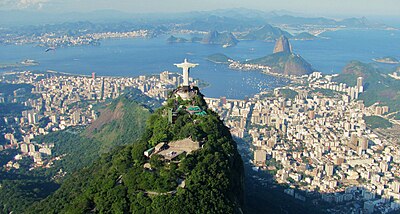
7.Christ the Redeemer7174 votes
An iconic Art Deco statue of Jesus Christ in Rio de Janeiro, Brazil, standing 30 meters tall atop Corcovado Mountain. It symbolizes peace and openness, drawing millions of visitors per year.
💡 Completed in 1931, the statue is made of reinforced concrete and soapstone, and it was declared one of the New Seven Wonders of the World in 2007.

8.The Great Sphinx of Giza3134 votes
A limestone statue of a mythical creature with the body of a lion and the head of a Pharaoh, believed to represent royal power. It is one of the oldest and largest monolithic statues in the world.
💡 It aligns with the constellation Leo and has inspired numerous legends and myths over millennia.

9.The Eternal City of Rome1919 votes
While not a single structure, the city of Rome embodies the grandeur of ancient architecture including the Colosseum, forums, and aqueducts. It served as the heart of the Roman Empire and has had a lasting influence on Western civilization.
💡 The city is also home to the Vatican, making it a major religious and cultural center for centuries.
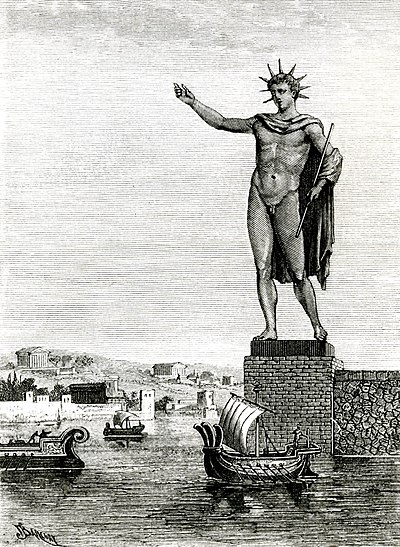
10.Colossus of Rhodes1556 votes
An ancient bronze statue representing the Greek sun god Helios, it stood approximately 33 meters tall. Constructed to celebrate Rhodes' victory over Cyprus, it was one of the tallest statues of the ancient world.
💡 Destroyed by an earthquake in 226 BC, the remains were left on the ground for centuries before being sold off as scrap.

11.The Temple of Artemis at Ephesus1284 votes
An impressive Greek temple dedicated to the goddess Artemis, it was rebuilt multiple times and was famed for its grandeur and lavish decorations. One of the largest temples in the ancient world.
💡 It was burned down by Herostratus in 356 BC but was later rebuilt; the site is now a major archaeological ruin.

12. Mausoleum at Halicarnassus1007 votes
This elaborate marble tomb was built for Mausolus, a satrap of Persia, and his wife Artemisia II. It was renowned for its grandeur and ornate sculptures, giving us the term 'mausoleum'.
💡 Destroyed by earthquakes in the Middle Ages, its ruins still draw archeologists and tourists today.

13.Lighthouse of Alexandria986 votes
One of the tallest man-made structures in the ancient world, it served as a beacon to guide sailors into the harbor of Alexandria. It is estimated to have been at least 100 meters tall and was considered one of the Seven Wonders of the Ancient World.
💡 It was damaged by earthquakes over centuries and eventually became ruins, but its design influenced lighthouse construction for generations.

14.The Lighthouse of Faros854 votes
Often conflated with the Pharos of Alexandria, it was a coastal lightstation that guided ships safely to port. Known for its impressive height and innovative design.
💡 The lighthouse was destroyed by earthquakes, but its design influenced later lighthouse constructions worldwide.

15.The Pharos of Alexandria597 votes
Often equated with the Lighthouse of Alexandria, it was one of the tallest man-made structures of its time, serving as a guide for sailors. It used a fire at night and reflective disks during the day to signal ships.
💡 It was damaged by earthquakes and listed among the Seventh Wonder due to its historical significance.


