Explore the fascinating tapestry of human advancement with this overview of major civilizations that have shaped our world. From their cultural contributions to their political structures, these civilizations laid the groundwork for modern society and continue to influence contemporary life.
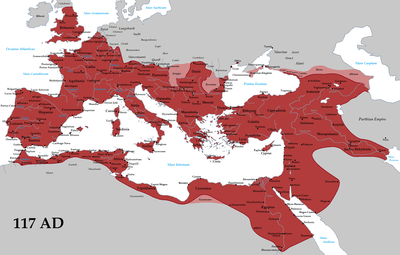
1.The Roman Empire10518 votes
The Roman Empire, known for its unparalleled expansion across Europe, North Africa, and parts of Asia, provided a foundation for modern governance and legal systems. With remarkable advances in engineering and architecture, it has left an indelible mark on infrastructure, language, and culture worldwide.
2.Ancient China9564 votes
Ancient China is one of the world's oldest continuous civilizations, known for its rich history, cultural innovations, and the invention of paper, gunpowder, and the compass. Dynasties such as the Han, Tang, and Ming laid the foundation for Chinese culture and governance.
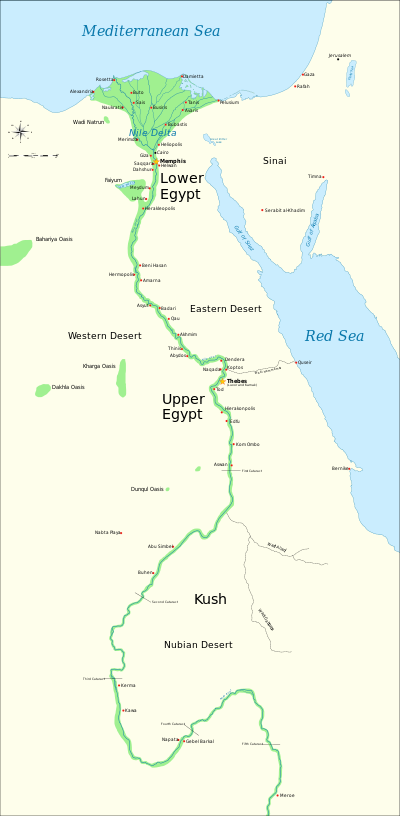
3.Ancient Egypt8888 votes
Ancient Egypt is renowned for its remarkable achievements in architecture, art, and governance, emerging as a hallmark of early civilization around 3100 BC. The civilization is particularly known for its iconic pyramids, intricate hieroglyphics, and rich mythology, which continue to captivate scholars and tourists alike.

4.The Mayan Civilization8529 votes
The Mayan Civilization was a Mesoamerican culture known for its hieroglyphic script, astronomical knowledge, and impressive architectural achievements. It flourished in present-day Mexico, Guatemala, Belize, and Honduras, characterized by its iconic pyramids and vibrant city-states.
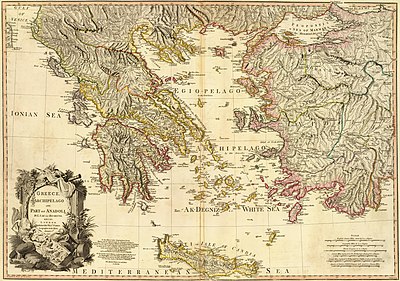
5.Ancient Greece8290 votes
Ancient Greece is known for its profound influence on language, politics, education, philosophy, and the arts in Western civilization. It was the birthplace of democracy and home to notable figures such as Socrates, Plato, and Aristotle.

6.The Inca Empire8252 votes
The Inca Empire was the largest empire in pre-Columbian America, renowned for its sophisticated political organization and impressive architectural skills, notably the construction of Machu Picchu. The Incas excelled in agriculture and built extensive road systems across their mountainous terrain.

7.The Ottoman Empire8162 votes
The Ottoman Empire was a vast and powerful state that spanned three continents, known for its cultural diversity and significant contributions to art, science, and architecture. Its capital, Istanbul, was a key center for trade and culture bridging Europe and Asia.

8.The Aztec Empire7571 votes
The Aztec Empire was a powerful civilization in central Mexico known for its advanced agricultural practices and complex social structure. Its capital city, Tenochtitlán, was notable for its grand temples and vibrant marketplaces.
9.The Ancient Persians7461 votes
The Ancient Persian Empire was one of the largest empires in history, known for its highly organized administration and remarkable cultural achievements. It encompassed various nations and cultures, contributing significantly to art, philosophy, and architecture.
10.The Indus Valley Civilization6874 votes
The Indus Valley Civilization, one of the world's earliest urban cultures, flourished from 3300 to 1300 BC in the northwestern regions of South Asia. Distinguished by its sophisticated city planning, advanced drainage systems, and trade networks, it plays a pivotal role in understanding early human settlements.

11.The Byzantine Empire6411 votes
The Byzantine Empire, also known as the Eastern Roman Empire, was a continuation of the Roman Empire after the fall of the West. It is renowned for its unique culture, art, and as a bastion of Christianity for nearly a thousand years.

12.The Mughal Empire6350 votes
The Mughal Empire was a prominent empire in the Indian subcontinent known for its cultural achievements and architectural wonders like the Taj Mahal. It played a crucial role in shaping the history and culture of India from the 16th to the 19th centuries.
13.The Khmer Empire5798 votes
The Khmer Empire was a powerful Southeast Asian state centered in modern-day Cambodia, known for its stunning temple complex, Angkor Wat. It was a hub of political, economic, and cultural activity between the 9th and 15th centuries.
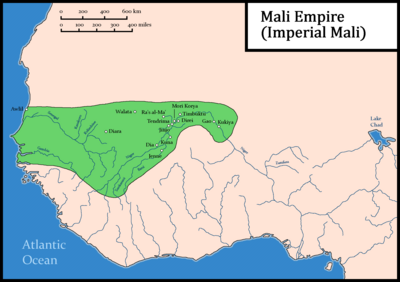
14.The Mali Empire5389 votes
The Mali Empire was a prominent West African state known for its wealth, particularly in gold, and its role in trade across the Sahara. It reached its peak under the leadership of Mansa Musa, who promoted education and cultural exchanges.
15.The Sumerian Civilization3863 votes
The Sumerian Civilization is recognized as one of the earliest known civilizations in history, located in ancient Mesopotamia. They are credited with inventing cuneiform writing and establishing one of the first forms of government.


