Throughout history, numerous ancient civilizations have mysteriously vanished, leaving behind intriguing ruins and unanswered questions. This list explores some of these enigmatic cultures, their downfall, and the enduring impact of their legacies on modern understanding of human history.

1.The Khmer Empire8944 votes
The Khmer Empire, dominant in Southeast Asia from the 9th to the 15th centuries, is famous for the majestic temple complex of Angkor Wat. The reasons for its gradual decline remain elusive, with theories including environmental degradation and economic troubles.

2.The Maya Civilization8824 votes
The Maya Civilization, known for its remarkable achievements in writing, astronomy, and architecture, mysteriously declined, particularly between the 8th and 9th centuries. This disappearance remains a topic of debate among historians, with theories ranging from climate change to warfare contributing to the eventual abandonment of their great city-states.

3.The Olmec Civilization8452 votes
Regarded as the 'mother culture' of Mesoamerica, the Olmec civilization thrived from around 1400 to 400 BCE and is known for its colossal head sculptures. Their sudden decline remains unexplained, contributing to the mystery surrounding their eventual disappearance.

4.The Harappan Civilization8065 votes
The Harappan, or Indus Valley, civilization is renowned for its advanced urban planning and sophisticated drainage systems, flourishing around 2500 BCE. The reasons behind its decline and abandonment around 1900 BCE remain speculative, with theories ranging from climate change to invasions.

5.The Hittite Empire7558 votes
The Hittite Empire, which peaked in the Late Bronze Age, is known for its innovations in iron working and a rich culture influenced by other civilizations. Its mysterious collapse around 1200 BCE remains a topic of debate among historians, with various factors suggested including invasions and internal conflict.
6.The Chachapoya Civilization7144 votes
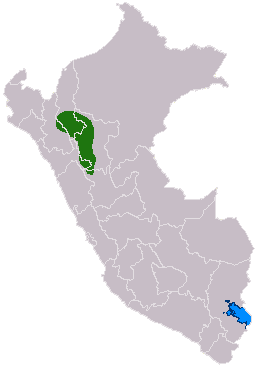
Known as the 'Warriors of the Clouds,' the Chachapoya civilization was located in the Andean region of Peru and is recognized for its impressive cliffside structures. Their disappearance by the late 15th century is still largely a mystery, possibly linked to Inca conquests and disease.

7.The Indus Valley Civilization6770 votes
The Indus Valley Civilization, one of the world's earliest urban cultures, thrived around 2500 BCE and suddenly declined around 1900 BCE. Scholars propose various reasons for this mysterious decline, including environmental changes and potential invasions, but the exact cause remains elusive.

8.The Mycenaean Civilization6269 votes
The Mycenaean civilization, known for its palatial states and contributions to early Greek culture, flourished in the Late Bronze Age before experiencing a sudden collapse around 1100 BCE. The reasons behind this collapse are still debated, with potential influences from invasions and economic downturns.
9.The Minoan Civilization6023 votes
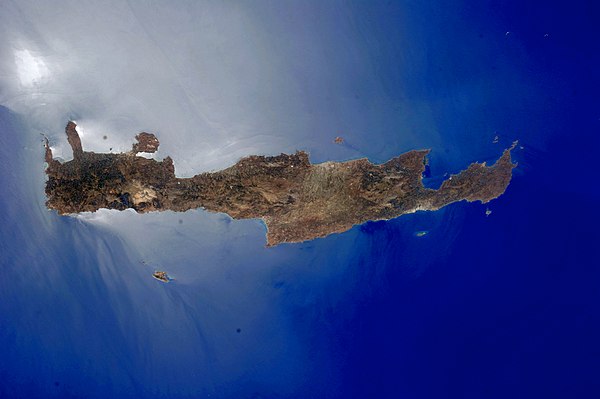
The Minoans, centered on the island of Crete, are recognized for their advanced architecture and vibrant frescoes, flourishing from 2700 to 1450 BCE. The sudden decline of this civilization is still debated, with theories suggesting natural disasters like earthquakes or volcanic eruptions.
10.The Nabateans5503 votes
The Nabateans, known for their rock-cut architecture and water conservation techniques, thrived in the region of Petra from the 4th century BCE until the 2nd century CE. Their decline is shrouded in mystery, potentially linked to changing trade routes and Roman expansion.

11.The Vinča Culture5096 votes
The Vinča culture flourished in Southeastern Europe from around 5700 to 4500 BCE and is noted for its advanced pottery and possible proto-writing. Its decline is mysterious, with various theories suggesting climatic changes or cultural shifts.

12.The Ancestral Puebloans4520 votes
The Ancestral Puebloans, formerly known as the Anasazi, inhabited the southwestern United States and are renowned for their cliff dwellings and intricate pottery. Their civilization mysteriously declined during the late 13th century, with theories suggesting factors such as drought, resource depletion, and societal changes at play.

13.The Aksumite Empire4313 votes
The Aksumite Empire was a powerful trading empire located in modern-day Ethiopia and Eritrea, known for its monumental obelisks and early adoption of Christianity. Its decline around the 7th century CE remains enigmatic, with possible causes including trade disruptions and environmental factors.

14.The Tiwanaku Civilization3679 votes
The Tiwanaku civilization thrived near Lake Titicaca in modern-day Bolivia and is known for its impressive stone architecture and agricultural practices. Their mysterious decline around 1000 CE has been attributed to climate change and resource depletion.

15.The Sumerians3030 votes
The Sumerian civilization, one of the world's earliest, emerged in Mesopotamia and is credited with the invention of writing and the wheel. Its decline in the late 3rd millennium BCE lacks a clear explanation, though factors like climate change and resource depletion are debated.


