Explore a chilling selection of historical places that evoke a profound sense of disturbance due to their dark pasts. Each site reveals stories of tragedy, suffering, and sometimes haunting mysteries that continue to resonate in the present day.

1.Chernobyl Exclusion Zone24975 votes
The Chernobyl Exclusion Zone offers a haunting glimpse into the aftermath of the catastrophic 1986 nuclear disaster, where thousands were evacuated and the area remains largely uninhabited. Today, it stands as a chilling testament to human error and the long-term effects of environmental disaster.
💡 The site has become a popular destination for 'disaster tourism'.

2.Ground Zero18932 votes
The site of the former World Trade Center in New York City, Ground Zero serves as a poignant memorial to the victims of the 9/11 attacks. It has been transformed into a significant place of reflection and remembrance, including the National September 11 Memorial & Museum.
💡 The memorial features two reflecting pools that sit within the footprints of the Twin Towers, making it the largest man-made waterfalls in North America.

3.Auschwitz-Birkenau17882 votes
The Auschwitz-Birkenau site stands as a solemn monument to the atrocities of the Holocaust, where over a million lives were lost during World War II. Today, it serves as a poignant reminder of the dangers of hatred and intolerance, emphasizing the importance of remembrance and education.
💡 Auschwitz is now a UNESCO World Heritage Site.
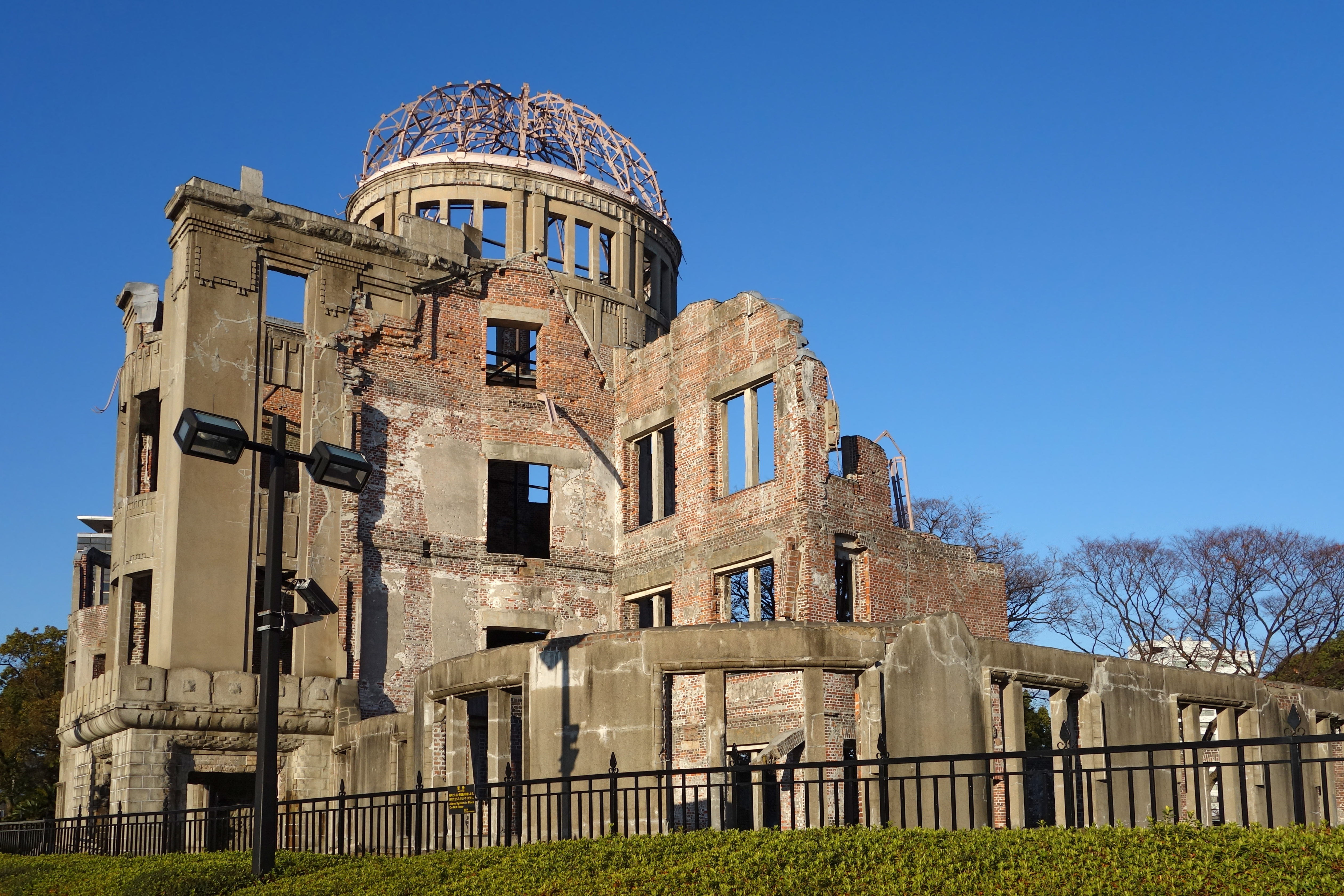
4.The Hiroshima Peace Memorial17280 votes
This memorial commemorates the victims of the atomic bombing of Hiroshima during World War II on August 6, 1945. It stands as a call for peace and a reminder of the devastating impact of nuclear warfare.
💡 The iconic Atomic Bomb Dome was left in ruins as a symbol of the tragedy and is now a UNESCO World Heritage Site.

5.The Catacombs of Paris16548 votes
The Catacombs of Paris house the skeletal remains of over six million people, providing a macabre yet fascinating insight into the city’s historical struggles with overcrowding and disease. This underground ossuary highlights the delicate balance between life and death that characterizes the Parisian experience.
💡 The catacombs were created in the late 18th century due to the overflow of cemeteries.

6.The Forbidden City11186 votes
This historic palace complex in Beijing served as the imperial palace for Ming and Qing dynasties and is a UNESCO World Heritage Site. However, it carries the weight of centuries of oppression and strict hierarchical rule in Chinese history.
💡 The complex consists of 980 buildings and covers over 180 acres.

7.Nanking Massacre Memorial Hall9056 votes
This memorial hall in Nanjing commemorates the victims of the Nanking Massacre, where Japanese troops killed and assaulted thousands of Chinese residents during the Second Sino-Japanese War in 1937. It seeks to educate visitors about the horrors of war and promote peace.
💡 Historians estimate that as many as 300,000 people were killed during this massacre.

8.Robben Island8826 votes
Robben Island is infamous for being the site where former South African president Nelson Mandela was imprisoned for 18 years during the apartheid era. Today, it serves as a museum and a symbol of the struggle for freedom and human rights.
💡 Robben Island was also used as a leper colony in the 19th century.
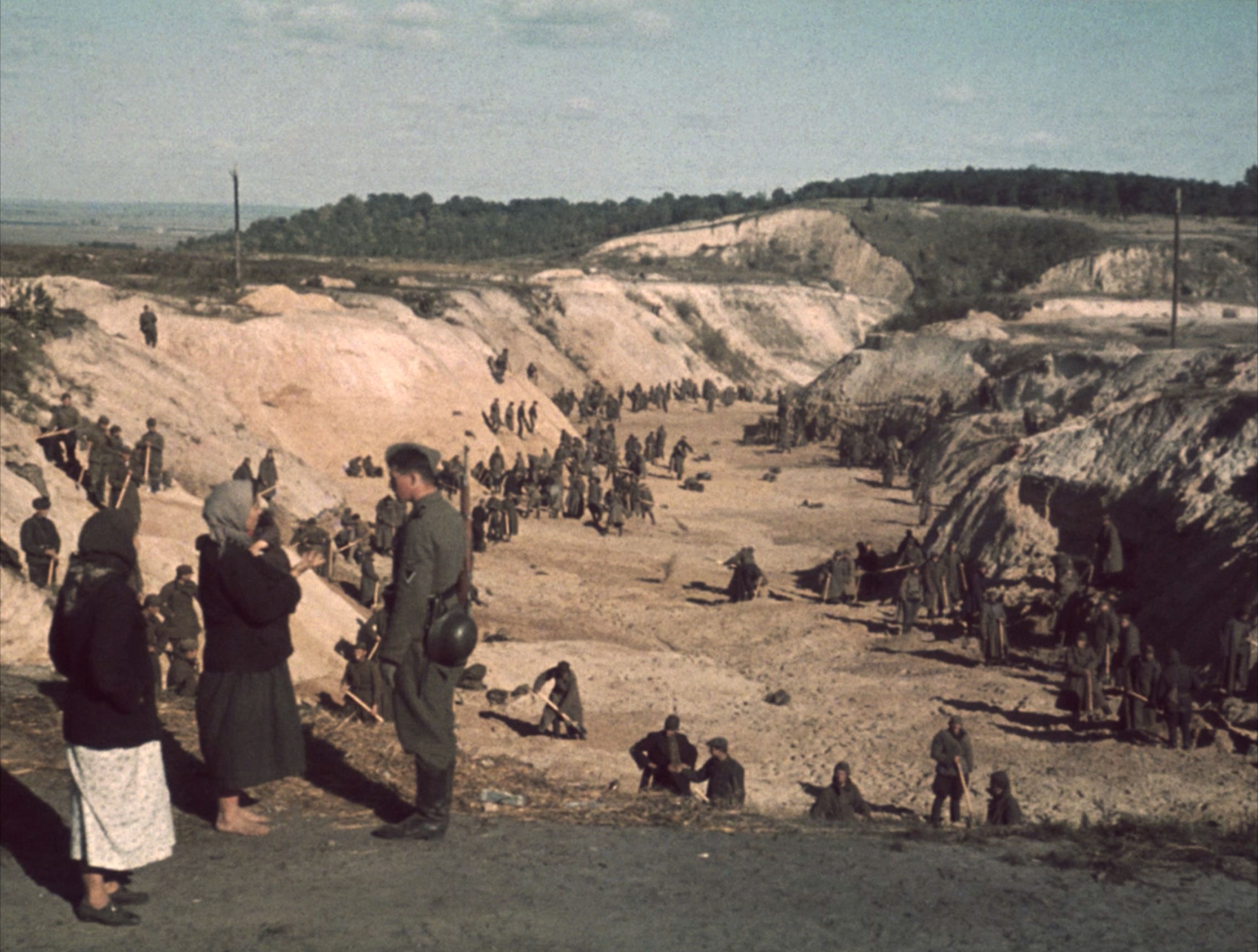
9.The Babi Yar massacre site7812 votes
This ravine outside Kyiv is known for the mass execution of Jews by the Nazis during World War II, where over 33,000 people were killed in just two days in 1941. It has become a symbol of the Holocaust and a site for remembrance and education.
💡 Babi Yar was also the site of executions of Roma and Ukrainian nationalists.

10.The My Lai Massacre site7377 votes
Located in Vietnam, the My Lai Massacre site marks the location where U.S. Army soldiers killed between 347 and 504 unarmed South Vietnamese civilians during the Vietnam War in 1968. The site now serves as a memorial to the victims and a stark reminder of the consequences of war.
💡 The incident led to significant changes in U.S. military policy and raised awareness of the impact of the Vietnam War.
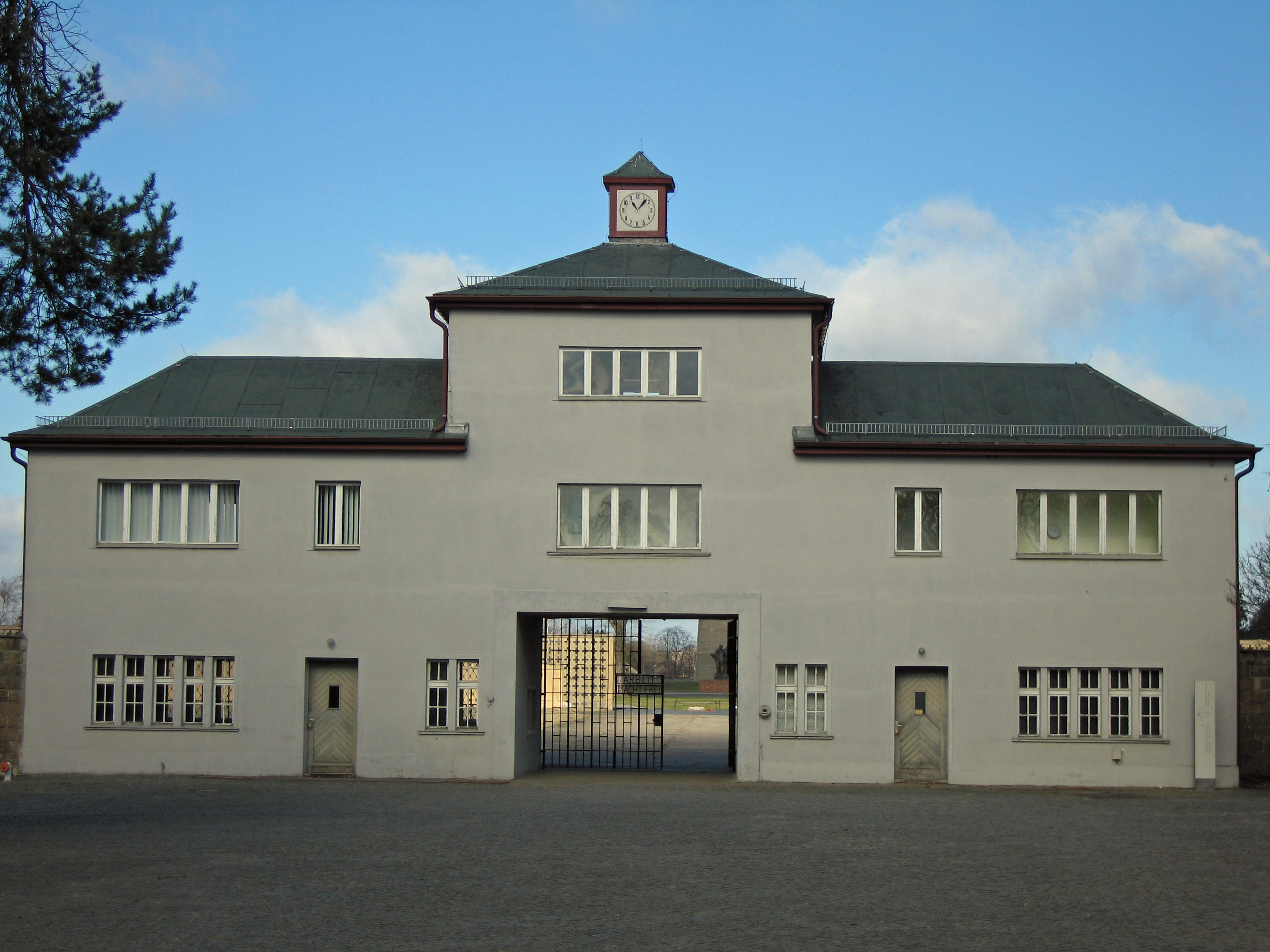
11.Sachsenhausen Concentration Camp7340 votes
This Nazi concentration camp, located in Germany, was operational from 1936 until the end of World War II and was used for forced labor and as an extermination camp. It serves as a memorial and museum to educate visitors about the horrors of the Holocaust.
💡 Sachsenhausen was a model for other concentration camps and was used to train SS officers.

12.The Killing Fields of Choeung Ek6522 votes
Located in Cambodia, this site is one of the most notorious mass grave locations from the Khmer Rouge regime, where thousands of Cambodians were brutally killed. Today, it serves as a memorial to the victims and is part of a somber reminder of the atrocities of genocide.
💡 The site features a stupa filled with the skulls of the victims.

13.Chateau de Chenonceau5225 votes
Known as the 'Ladies' Castle,' this historic chateau in France has witnessed several pivotal moments in French history and is associated with influential women like Diane de Poitiers and Catherine de Medici. Its grand architecture and beautiful gardens tell stories of love and power intertwined with a darker past.
💡 It was used as a hospital during World War I.

14.Terezin (Theresienstadt) Concentration Camp4982 votes
Terezin was a ghetto and concentration camp that served as a transit point for Jews being sent to extermination camps during the Holocaust. It was presented by the Nazis as a 'model' camp, but it was, in fact, a place of suffering and death.
💡 The camp was used for propaganda purposes, including the filming of a Nazi propaganda movie to promote the false image of life in a 'Jewish settlement'.


