This collection of historical facts unveils remarkable moments that have significantly shaped the world we live in today. Each fact illustrates the intriguing interplay of human innovation, cultural evolution, and pivotal events throughout history.

1.The Renaissance31996 votes
The Renaissance was a cultural movement that began in Italy in the 14th century and spread throughout Europe, characterized by a revival of interest in art, science, and the classics. This period saw the emergence of renowned figures such as Leonardo da Vinci and Michelangelo.
💡 The Renaissance laid the groundwork for modern science and art.
2.The Discovery of Penicillin30140 votes
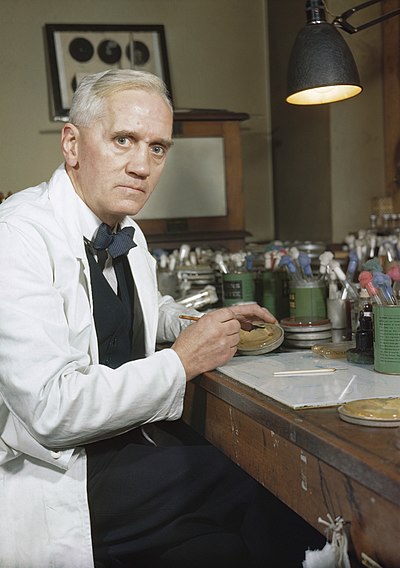
Penicillin, discovered by Alexander Fleming in 1928, revolutionized medicine with its antibacterial properties. This discovery marked the beginning of modern antibiotics and has saved countless lives since.
💡 Fleming's accidental discovery happened when he noticed mold growing in one of his Petri dishes.

3.The Berlin Airlift29413 votes
The Berlin Airlift (1948-1949) was a response to the Soviet blockade of West Berlin, where the Allied forces supplied the city with food and fuel via air transport. This operation represented a significant moment in the early Cold War, demonstrating the West's commitment to resisting Soviet expansion.
💡 More than 200,000 flights delivered supplies to West Berlin over 11 months.
4.The Industrial Revolution25501 votes
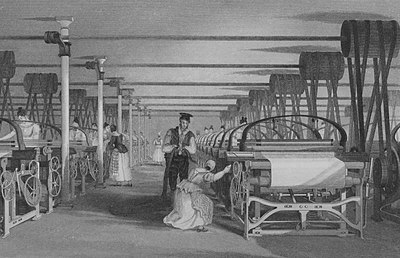
Beginning in the late 18th century, the Industrial Revolution was a period of major industrialization that transformed economies from agrarian to industrial. It brought about significant technological advancements, urbanization, and social changes worldwide.
💡 This era set the stage for modern economic systems and dramatically altered the way people lived and worked.

5.The Cuban Missile Crisis25421 votes
The Cuban Missile Crisis in October 1962 was a 13-day confrontation between the United States and the Soviet Union over Soviet ballistic missiles deployed in Cuba. This event brought the two superpowers to the brink of nuclear war, highlighting the tensions of the Cold War.
💡 It led to a direct hotline communication between the two countries to prevent future crises.

6.The Roman Colosseum24589 votes
The Colosseum, an ancient amphitheater in Rome, is known for its grand scale and architectural beauty. It was built in AD 70-80 and could hold up to 80,000 spectators for various events, including gladiator contests.
💡 It is considered one of the greatest works of Roman architecture and engineering.
7.The Magna Carta24449 votes
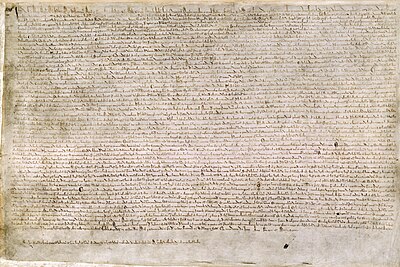
Signed in 1215, the Magna Carta was a charter that limited the powers of the English king and guaranteed certain rights to English citizens. It is considered a foundational document in the history of democracy and the rule of law.
💡 It was originally intended to protect the barons' privileges but has since become a symbol of liberty and the principles of justice.

8.The Fall of Constantinople21156 votes
In 1453, the Fall of Constantinople marked the end of the Byzantine Empire as Ottoman forces captured the city. This significant event not only reshaped the geopolitical landscape of Europe and Asia but also ushered in the age of the Renaissance.
💡 The conquest was notable for the use of massive cannons, which demonstrated the effectiveness of gunpowder in warfare.
9.The Rosetta Stone19070 votes
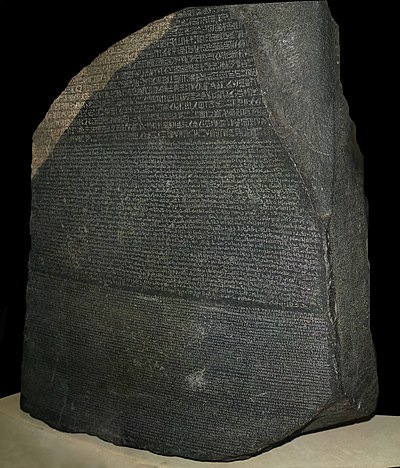
Discovered in 1799, the Rosetta Stone is an ancient Egyptian artifact inscribed with a decree issued at Memphis, Egypt. It was key to deciphering Egyptian hieroglyphs due to its inscriptions in three scripts: Greek, Demotic, and hieroglyphic.
💡 Its discovery helped scholars unlock the language of ancient Egypt, which had been undecipherable for nearly 1,500 years.

10.The Sinking of the Titanic19028 votes
The RMS Titanic sank on April 15, 1912, during its maiden voyage after hitting an iceberg. The tragedy led to the deaths of over 1,500 passengers and is remembered as one of the deadliest maritime disasters in history.
💡 The sinking spurred improvements in maritime safety regulations.

11.The Signing of the Treaty of Versailles16807 votes
Signed on June 28, 1919, the Treaty of Versailles ended World War I and imposed heavy reparations on Germany. This treaty is often cited as a catalyst for the rise of World War II due to the economic burden it placed on Germany.
💡 The treaty included the controversial article that sparked much of the animosity in Europe.

12.The Great Pyramid of Giza15476 votes
The Great Pyramid of Giza, built around 2580–2560 BC, is the oldest of the Seven Wonders of the Ancient World and remains largely intact. This monumental tomb demonstrates the architectural prowess of ancient Egyptians and their beliefs surrounding the afterlife.
💡 Originally stood at 146.6 meters (481 feet), it was the tallest man-made structure for over 3,800 years.

13.The Declaration of Independence12201 votes
Drafted in 1776, the Declaration of Independence is a foundational document in American history that signaled the thirteen colonies' break from British rule. It articulates the ideals of democracy and human rights, shaping the government's structure and the American people's identity.
💡 Adopted on July 4, 1776, this date is celebrated annually as Independence Day.

14.The Fall of the Berlin Wall10122 votes
The Berlin Wall, erected in 1961, symbolized the Cold War division between East and West until its fall in 1989, which marked a significant turning point in world history. This event not only led to the reunification of Germany but also catalyzed political changes across Europe.
💡 The fall of the wall is often viewed as the end of communist rule in Central and Eastern Europe.


