Historical events shape the course of nations and influence the trajectory of civilizations. This list highlights pivotal moments in history that have left a profound impact on the world, defining nations and changing lives.

1.The Signing of the Declaration of Independence10381 votes
Adopted on July 4, 1776, the Declaration of Independence announced the thirteen American colonies' separation from British rule. It articulated the principles of individual rights and government by consent that became foundational for the United States.

2.Women’s Suffrage Movement9142 votes
The Women's Suffrage Movement sought to secure women's right to vote and was prominent in the United States and around the world in the late 19th and early 20th centuries. It culminated in various legal victories, culminating in the 19th Amendment in the U.S., which granted women the right to vote in 1920.

3.The Moon Landing9073 votes
On July 20, 1969, Apollo 11 became the first manned mission to land on the Moon, marking a significant achievement in human history and space exploration. Astronauts Neil Armstrong and Buzz Aldrin walked on the lunar surface, fulfilling President Kennedy's goal of reaching the Moon by the end of the 1960s.

4.World War II8540 votes
World War II was a global conflict that lasted from 1939 to 1945, involving over 30 countries and resulting in significant changes to the political, social, and economic landscape of the world. The war was marked by major battles, the Holocaust, and ultimately led to the establishment of the United Nations and the onset of the Cold War.

5.The French Revolution8518 votes
Beginning in 1789, the French Revolution was a period of profound social and political upheaval in France that ultimately led to the establishment of a republic. It challenged the authority of the monarchy and introduced concepts such as liberty, equality, and fraternity.
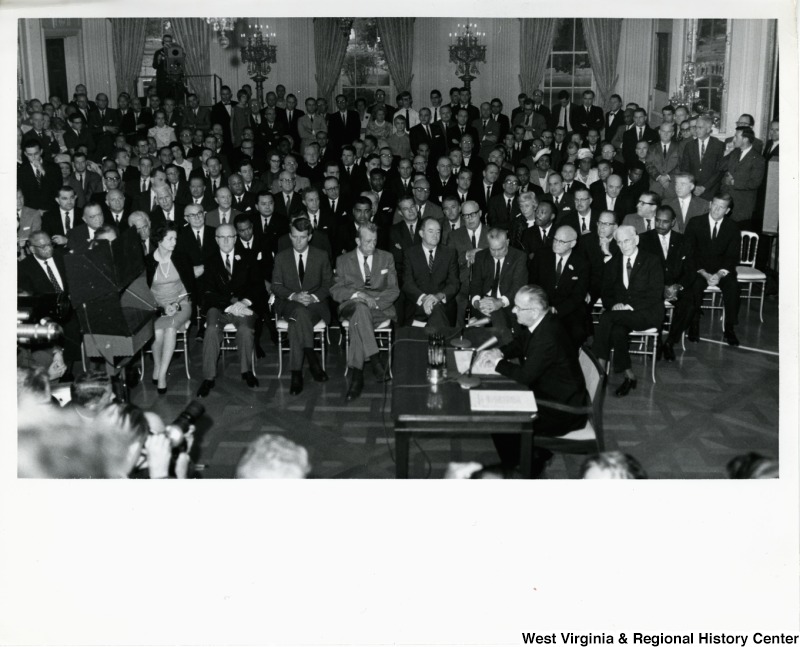
6.The Civil Rights Act of 19648518 votes
The Civil Rights Act of 1964 is a landmark piece of legislation in the United States that outlawed discrimination based on race, color, religion, sex, or national origin. It aimed to end segregation in public places and banned employment discrimination.

7.The End of Apartheid8225 votes
Apartheid was a system of institutionalized racial segregation in South Africa that lasted from 1948 until the early 1990s. It officially ended with multi-racial elections in 1994, leading to Nelson Mandela's presidency and a new democratic era.

8.The Holocaust7987 votes
The Holocaust refers to the systemic persecution and murder of six million Jews and others by the Nazi regime and its collaborators during World War II. It stands as a stark reminder of the consequences of hatred and intolerance.

9.The Berlin Conference7447 votes
The Berlin Conference of 1884-1885 regulated European colonization and trade in Africa during the New Imperialism period. It resulted in the partitioning of Africa among European powers with little regard for indigenous cultures and societies.

10.The Fall of the Berlin Wall7378 votes
The Fall of the Berlin Wall on November 9, 1989, marked a pivotal moment in history that symbolized the end of the Cold War and the division of East and West Germany. Its collapse not only allowed for German reunification but also catalyzed the spread of democracy across Eastern Europe.

11.The Cold War7341 votes
The Cold War was a period of geopolitical tension between the Soviet Union and the United States and their respective allies after World War II. It was characterized by propaganda, espionage, and proxy wars, deeply influencing global politics and society.

12.The Fall of the Roman Empire7275 votes
The fall of the Western Roman Empire symbolized the end of ancient Rome in AD 476 when the last Roman emperor was deposed. This event contributed to the onset of the Middle Ages in Europe and marked significant political and cultural transformations.
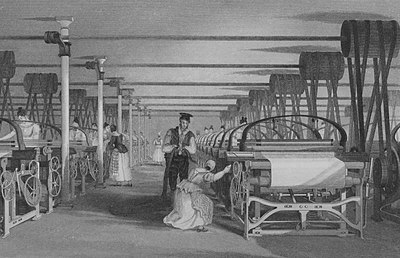
13.The Industrial Revolution6805 votes
Starting in the late 18th century in Britain, the Industrial Revolution was a period of major industrialization that transformed economies reliant on agriculture and handicrafts into economies based on large-scale industry, mechanized manufacturing, and the factory system. It marked a turning point in history, influencing social, economic, and cultural conditions worldwide.

14.The Discovery of America6083 votes
Christopher Columbus's voyages across the Atlantic Ocean in 1492 were pivotal in opening the Americas to European colonization. His discovery marked the beginning of widespread exploration and exploitation of the continent.
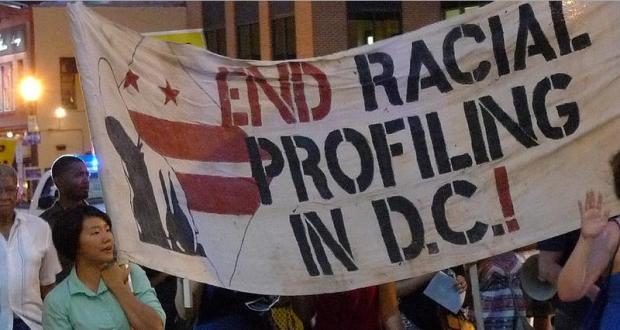
15.The American Civil Rights Movement6065 votes
The American Civil Rights Movement aimed to end racial segregation and discrimination against African Americans from the mid-1950s to the late 1960s. This movement was marked by significant events, including the March on Washington and the passing of the Civil Rights Act of 1964, which laid the foundation for future social justice efforts.