This curated list explores pivotal political events that have significantly influenced the course of modern history across the globe. Each event has played a critical role in shaping governments, societies, and international relations, leaving an indelible mark on our contemporary world.
1.World War II52767 votes
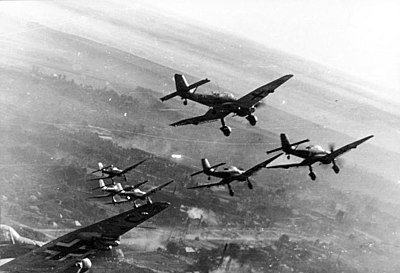
World War II was a catastrophic global conflict that lasted from 1939 to 1945, involving most of the world's nations and resulting in significant political, social, and economic upheaval. The war led to the establishment of the United Nations and set the stage for the geopolitical landscape of the Cold War and beyond.
💡 It was the deadliest conflict in human history, resulting in an estimated 70-85 million fatalities.

2.The Fall of the Berlin Wall21993 votes
The fall of the Berlin Wall on November 9, 1989, symbolized the end of the Cold War and the division between Eastern and Western Europe. This momentous event paved the way for German reunification and impacted the political landscape across Europe, leading to the dissolution of the Soviet Union.
💡 The wall, which divided East and West Berlin for 28 years, was a powerful symbol of the Iron Curtain and the ideological divide during the Cold War.

3.Civil Rights Movement18490 votes
The Civil Rights Movement in the United States, spanning the 1950s and 1960s, was a pivotal struggle for social justice that sought to end segregation and discrimination against African Americans. This movement ultimately led to landmark legislation, including the Civil Rights Act of 1964 and the Voting Rights Act of 1965, reshaping American society.
💡 Key figures included Martin Luther King Jr., whose advocacy for nonviolent protest inspired millions and brought attention to civil rights issues.

4.The Brexit Referendum17570 votes
In June 2016, the United Kingdom voted to leave the European Union, a decision that sparked intense debate and negotiation. The implications of Brexit continue to affect political and economic relations in Europe.
💡 The referendum result was 51.9% in favor of leaving.

5.The MeToo Movement14895 votes
Beginning in 2006 and gaining momentum in 2017, the MeToo movement highlights the prevalence of sexual harassment and assault, particularly in the workplace. It has prompted discussions about gender equality and accountability across various industries.
💡 The movement went viral with the hashtag #MeToo on social media.

6.The Black Lives Matter Movement13907 votes
Founded in 2013, the Black Lives Matter movement seeks to address systemic racism and police violence against Black individuals in the United States and beyond. It gained global attention and spurred widespread protests following high-profile incidents of racial violence.
💡 The phrase 'Black Lives Matter' originated as a hashtag.
7.NATO Formation12797 votes
The North Atlantic Treaty Organization (NATO) was established in 1949 as a military alliance for mutual defense against aggression. It played a significant role during the Cold War and continues to influence global security dynamics.
💡 NATO was initially created by 12 founding countries.

8.The European Union Formation12432 votes
The European Union (EU) was formed through a series of treaties beginning with the Treaty of Rome in 1957, eventually leading to its establishment in 1993 with the Maastricht Treaty. The EU represents a unique political and economic union among European countries, promoting integration and cooperation.
💡 The EU was initially created to foster economic cooperation, ultimately aiming to prevent future conflicts in Europe.
9.The Fall of Communism in Eastern Europe11913 votes
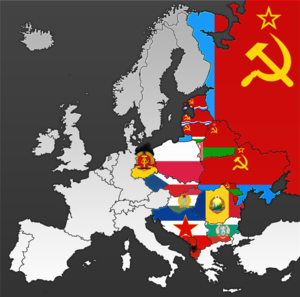
The collapse of communist regimes across Eastern Europe in the late 1980s, culminating in the fall of the Berlin Wall, marked the end of Cold War tensions. This wave of democratization reshaped the political landscape in these nations.
💡 These revolutions were largely non-violent and involved mass protests.
10.The Rise of the Internet10967 votes
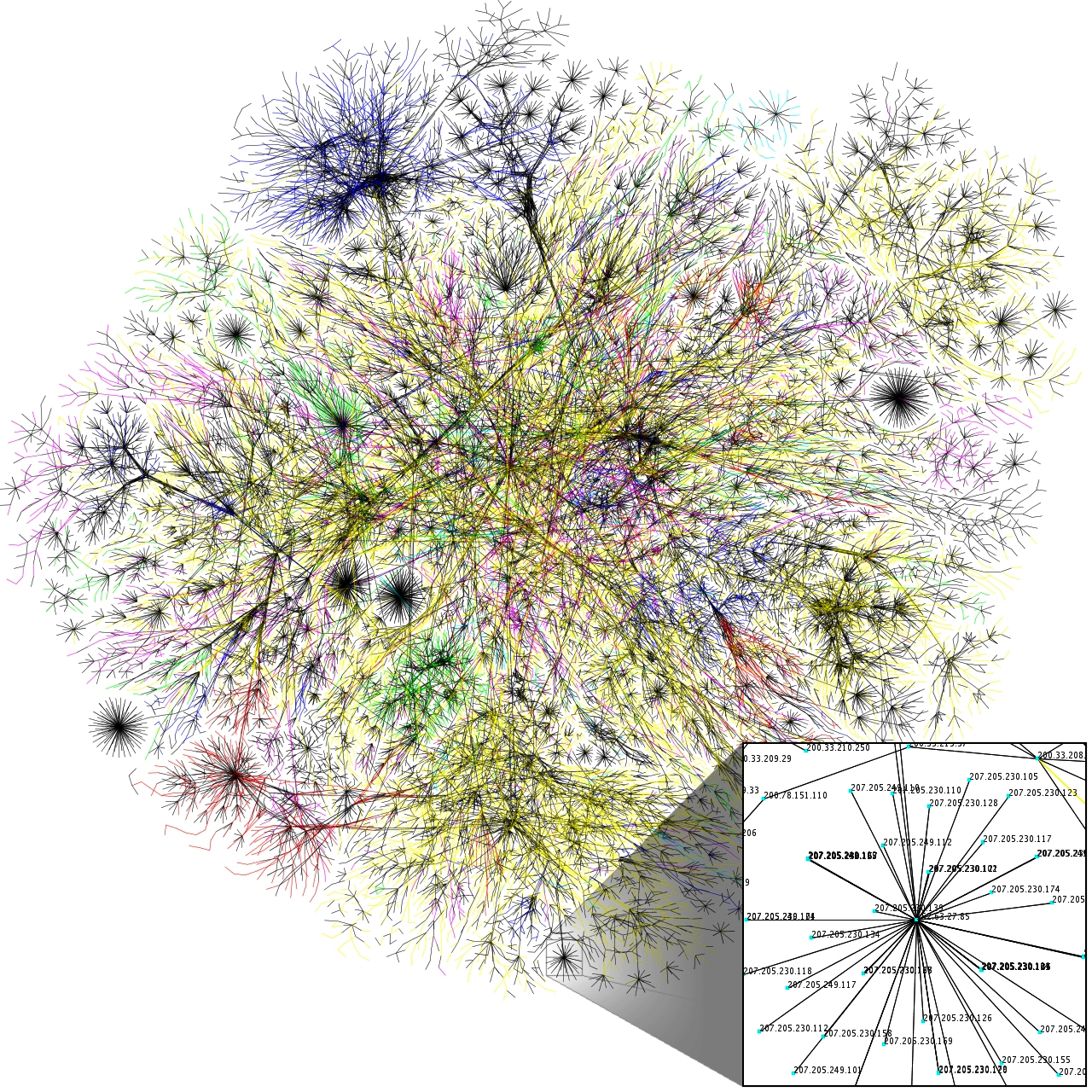
The development and widespread adoption of the internet since the late 20th century have transformed communication, education, and commerce globally. It is a fundamental driver of social and political change in modern society.
💡 The first website was created in 1991.
11.The United Nations Formation10371 votes
Established in 1945, the United Nations was created to promote international cooperation and prevent future conflicts. It has since become a vital platform for addressing global issues.
💡 The UN has 193 member states as of 2021.

12.The Soviet Union Dissolution10199 votes
In 1991, the Soviet Union officially dissolved, leading to the independence of multiple republics and the end of the Cold War era. This significant event drastically changed the political landscape of Eastern Europe and Central Asia.
💡 The dissolution was marked by the emergence of 15 independent countries.

13.The Syrian Civil War9842 votes
Beginning in 2011, the Syrian Civil War resulted in extensive humanitarian crises and the rise of extremist groups in the region. It has drawn in international actors, complicating the geopolitical landscape of the Middle East.
💡 The war has resulted in millions of refugees and displaced persons.

14.The Social Security Act9760 votes
Enacted in 1935, the Social Security Act established a system of old-age benefits and unemployment insurance in the United States. It laid the groundwork for the modern welfare state.
💡 This act was a response to the Great Depression.

15.The Watergate Scandal9060 votes
This political scandal in the United States during the early 1970s led to the resignation of President Richard Nixon. It exposed widespread corruption and abuse of power within the Nixon administration.
💡 The scandal had a profound impact on public trust in government.


