This list highlights the most effective techniques to accelerate language acquisition and enhance proficiency. Combining cognitive, immersive, and practical strategies, these methods enable learners to achieve fluency more efficiently and with deeper cultural understanding.

1.Spaced Repetition16124 votes
Spaced repetition leverages increasing intervals to reinforce memory retention, making it a highly effective technique for vocabulary and concepts retention. It optimizes studying sessions by reviewing information just before it is forgotten, thereby strengthening long-term memory.
💡 Popularized by algorithms used in flashcard apps like Anki and SuperMemo

2.Immersive Practice13325 votes
Immersive practice involves surrounding oneself with the target language through media, conversations, and environments to develop natural language skills. This method promotes real-world usage and cultural understanding, leading to quicker and more meaningful proficiency.
💡 Frequently used in study abroad programs and bilingual immersion schools

3.Consistent Engagement12066 votes
Regular and active engagement with the language through speaking, writing, and interaction is crucial for steady progress. Building habits like daily practice, language exchanges, and interactive tasks fosters confidence and fluency over time.
💡 Incorporates peer interactions, language partners, and real-life usage

4.Using Language Learning Apps6773 votes
Apps like Duolingo, Babbel, and Memrise offer structured lessons, vocabulary drills, and interactive exercises to facilitate daily practice. They often use gamification to motivate consistent engagement and track progress.
💡 Studies show that regular app-based learning can significantly boost vocabulary retention over time.

5.Vocabulary in Context3525 votes
Learning new words within relevant sentences or real-life situations helps deepen understanding and recall. Contextual learning bridges the gap between knowing a word and being able to use it correctly.
💡 Using authentic materials such as news articles, movies, and podcasts enhances contextual vocabulary acquisition.

6.Authentic Conversation Practice3470 votes
Engaging in genuine conversations with native speakers allows learners to practice real-time language use, improving fluency and comprehension. It provides immediate feedback and helps adapt language to different contexts and accents.
💡 Many language apps now incorporate AI chatbots to simulate conversations with native speakers.

7.Labeling and Flashcards1965 votes
Using physical or digital flashcards with labeled images helps reinforce vocabulary and key phrases through active recall and spaced review. This technique encourages quick memory retrieval, aiding long-term retention.
💡 Digital flashcard apps like Anki and Quizlet incorporate spaced repetition algorithms for optimal learning.

8.Shadowing Technique1668 votes
Shadowing involves listening to spoken language and simultaneously repeating it out loud, mimicking pronunciation and intonation. This method improves listening skills, fluency, and accent accuracy.
💡 Developed by Edison Lee, shadowing is rooted in language imitation practices used by multilingual speakers.

9.Reading Children's Books1466 votes
Starting with simple children's literature introduces basic vocabulary and sentence structures in context. It provides engaging, level-appropriate content that builds confidence and comprehension.
💡 Children's books often contain repetitive language, which aids memorization and learning through pattern recognition.

10.Teaching Others1461 votes
Explaining language concepts to peers or through tutoring reinforces your own understanding and highlights areas needing improvement. Teaching transforms passive knowledge into active mastery.
💡 Many language instructors find that teaching others accelerates their own language acquisition process.

11.Watching Media in the Target Language1440 votes
Consuming movies, TV shows, or YouTube videos exposes learners to natural speech, slang, and cultural references. Subtitles can aid understanding while developing listening skills.
💡 This immersive method enhances both listening and cultural comprehension simultaneously.

12.Pronunciation Practice with Phonetic Tools1325 votes
Utilizing phonetic transcriptions and pronunciation tools helps learners master accurate sounds and intonation. It enhances speaking clarity and listening comprehension.
💡 Some tools provide audio recordings from native speakers, offering authentic pronunciation models.

13.Language Exchange Partners1089 votes
Engaging in conversation with native speakers through language exchange platforms allows learners to practice authentic speech and cultural nuances. It fosters real-world communication skills and reciprocal learning.
💡 Many language learners find this method highly effective for improving fluency and understanding colloquial speech.

14.Writing Journals in the Target Language954 votes
Keeping daily or weekly journals encourages active language use, reinforcing vocabulary and grammatical structures. This practice also promotes self-expression and reflective learning.
💡 Regular writing helps in identifying gaps in knowledge and consolidating language patterns.
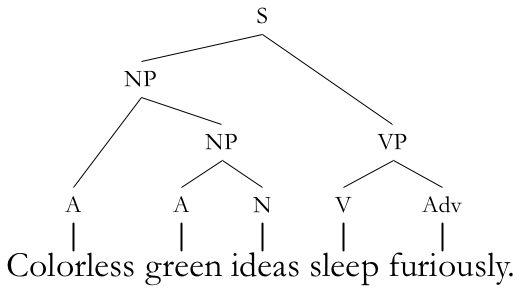
15.Grammar-Focused Study423 votes
Dedicating time to understanding grammatical structures helps learners form correct and complex sentences confidently. Combining this with practical use ensures grammatical accuracy in communication.
💡 Explicit grammar study complements immersive methods by providing foundational rules necessary for complex language skills.


