This list explores specialized and under-the-radar study techniques tailored to visual learners, emphasizing methods that leverage images, diagrams, and spatial arrangements. By focusing on innovative and effective strategies, it caters to those who absorb information best visually and helps optimize their study sessions.

1.Animated Explainer Videos10432 votes
Leverages motion graphics and storytelling to illustrate concepts, making abstract or complex topics more accessible to visual learners. Watching these videos can bolster understanding through dynamic visuals.
💡 Khan Academy has expanded its library of animated videos across subjects, helping visual learners worldwide.

2.Mind Mapping9554 votes
Mind mapping is a highly effective visual technique that helps organize information spatially, making complex concepts easier to grasp and recall. It encourages associating ideas through graphical links, boosting retention for visual learners.
💡 Dark mode mind mapping tools can help reduce eye strain for extensive diagram creation.

3.Spaced Repetition Software9524 votes
Utilizes algorithms to space out review sessions, optimizing memory retention for visual learners. These tools often incorporate visual cues and flashcards to reinforce learning over time.
💡 Anki's algorithm is based on the Leitner system; proven to significantly improve long-term retention.

4.Diagrams and Flowcharts9130 votes
Using diagrams and flowcharts to map processes, concepts, or hierarchies simplifies complex information into visual paths. This aids in understanding sequences and relationships clearly.
💡 Flowcharts are widely used in programming, business process modeling, and educational settings to visualize workflows.

5.Color Coding8766 votes
Applying distinct colors to information segments helps in categorizing and differentiating concepts visually. This technique enhances memory by leveraging color associations.
💡 Studies show that color coding can improve recall accuracy and speed, especially for visual learners.

6.Color-Coded Note Taking8334 votes
Using distinct colors to highlight key ideas, themes, and categories in notes establishes clear visual markers, aiding quick review and memory association. This technique supports visual learners by creating an organized and engaging note structure that enhances learning efficiency.
💡 Different pastel shades can be used for soft distinction, while bright colors help emphasize crucial points.

7.Mind Mapping Software8166 votes
Digital tools that help create elaborate mind maps with visual elements like images, colors, and icons. They facilitate brainstorming, organization, and visualization of interconnected ideas.
💡 Industry leaders advocate for mind maps as a way to unlock creative potential and enhance memory retention through visual connections.

8.SketchNote Note-Taking7537 votes
A visual note-taking method that combines hand-drawn sketches, symbols, and typography to capture ideas creatively. This approach engages visual spatial reasoning, making information more memorable.
💡 Inspired by journaling and graphic recording, SketchNotes encourage active listening and personalized visual organization.

9.Visual Summary Charts7002 votes
Creating summary charts that use diagrams, icons, and minimalist visuals to condense complex information. These aid in quick recall and ability to see relationships between concepts.
💡 They are particularly effective for summarizing large data sets or concepts into digestible visual chunks.

10.Visualization and Imagery Techniques5972 votes
Taking advantage of mental imagery by creating vivid pictures of concepts enhances memory and understanding for visual learners. Incorporating drawing or mental simulation makes abstract ideas concrete and memorable.
💡 Using apps that simulate image creation can further enhance visualization exercises.

11.Infographic Annotations5884 votes
Adding detailed annotations to infographics helps vocalize relationships and highlight key points. This enriches static visuals with context, making them more engaging and memorable.
💡 Infographics are highly shareable tools that can connect textual data with visuals effectively for storytelling.
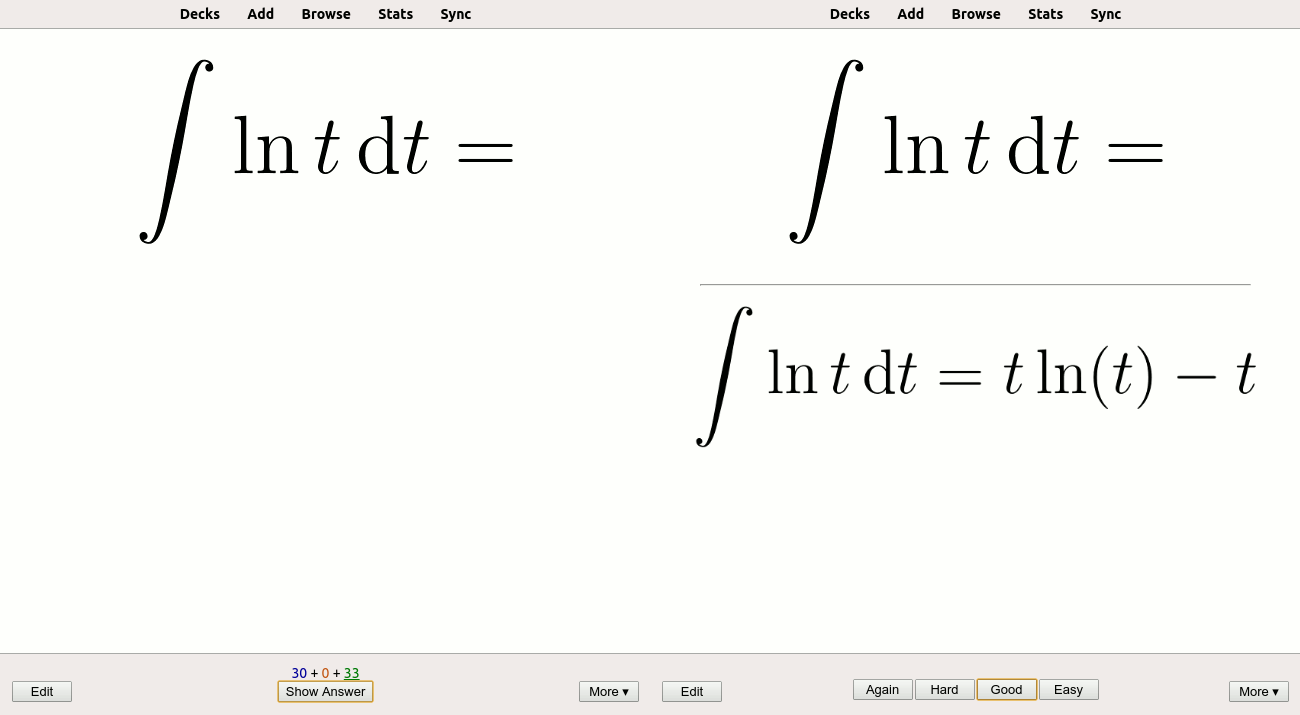
12.Practice Testing1044 votes
Practice testing involves self-quizzing or using flashcards to reinforce visual information. This active recall technique helps solidify memory by challenging the learner to retrieve visual data effectively.
💡 Studies show practice testing improves retention more than passive review, especially for visual learners.

13.Interactive Visual Tools391 votes
Tools like virtual whiteboards and diagramming applications enable learners to manipulate and explore visual representations actively. This hands-on approach enhances understanding and retention.
💡 Used by educators and students for collaborative mind mapping and visual brainstorming.
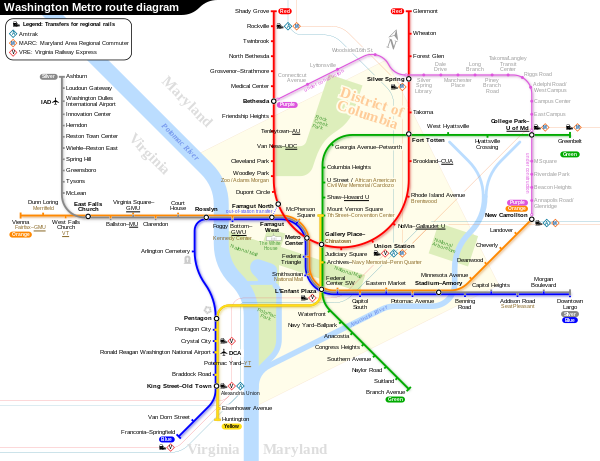
14.Infographics151 votes
Infographics combine images, charts, and minimal text to present complex information visually. They help learners grasp relationships and hierarchies quickly through visual cues.
💡 Popularized in marketing and education for simplifying data and enhancing memory retention.
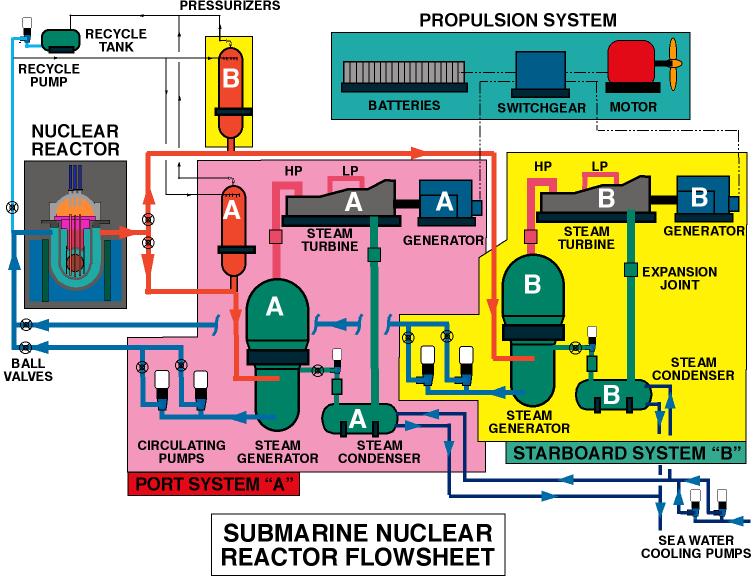
15.Diagram-Based Summarization139 votes
Creating diagrams to summarize study material helps visual learners organize information spatially. It allows them to see connections and hierarchies clearly.
💡 Widely used in science and history classes to map out processes, timelines, and relationships.


