As we gaze into the future, predictions for humanity's next century encompass transformative changes in technology, societal structures, and interactions with our environment. These forecasts touch on how advancements could reshape our lives, health, and the very fabric of civilization, prompting for optimism and caution alike.
1.Renewable Energy Transition25194 votes
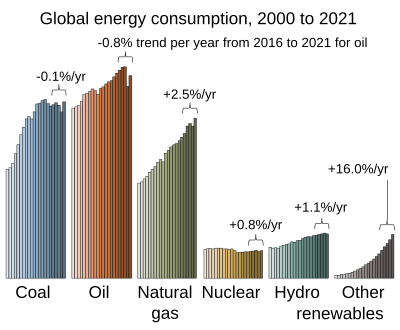
The next century will see a significant shift towards renewable energy sources such as solar, wind, and hydroelectric power. This transition aims to reduce dependence on fossil fuels and mitigate the impacts of climate change.
💡 By 2020, renewable energy capacity reached over 2,800 GW worldwide.

2.Autonomous Transportation Systems24758 votes
The development of autonomous transportation systems—including self-driving cars, drones, and public transit—will reshape urban landscapes and mobility. These innovations promise to enhance safety and efficiency in transport.
💡 Tesla's Autopilot feature represents one of the leading advancements in autonomous vehicle technology.
3.Synthetic Biology Advancements23570 votes
Synthetic biology combines biology and engineering to design and construct new biological parts and systems. This field has vast potential in medicine, agriculture, and environmental solutions.
💡 Dr. Church is a leading figure in synthetic biology research and applications.

4.Global Health Equity21556 votes
The pursuit of global health equity aims to ensure that everyone has fair access to healthcare and health-promoting resources. Strategies will focus on reducing disparities exacerbated by economic and social factors.
💡 Health equity initiatives saw renewed attention during the COVID-19 pandemic.

5.Mental Health Awareness20378 votes
Awareness of mental health will likely increase, leading to better understanding, treatment, and destigmatization. Societal shifts may encourage openness and support for mental health issues.
💡 Dr. Patel is a prominent figure in global mental health research and advocacy.

6.Human Augmentation19118 votes
Human augmentation refers to the use of technology to enhance human abilities, including physical, cognitive, and sensory functionalities. Advancements in robotics and biotechnology could lead to significant transformations in human capabilities.
💡 Dr. Herr is a pioneer in the field of bionic limbs and human augmentation technologies.
7.Technological Integration in Education17400 votes
The integration of technology in education will continue to transform how knowledge is delivered and consumed. Innovations like virtual classrooms and personalized learning experiences will enhance learning outcomes.
💡 Khan Academy has helped millions of students access free education worldwide.
8.Ocean Conservation Initiatives16463 votes
As climate change affects marine ecosystems, conservation initiatives will focus on protecting biodiversity and restoring ocean health. Efforts include reducing plastic pollution, overfishing, and habitat destruction.
💡 The Ocean Conservancy has mobilized millions of volunteers for coastal clean-up efforts.

9.Universal Basic Income6351 votes
Universal Basic Income (UBI) is a model of social security in which all citizens receive a regular, unconditional sum of money from the government, regardless of other income. This concept is being considered by various nations to address economic inequality and the impact of automation on jobs.
💡 Some pilot programs have yielded promising results in reducing poverty and enhancing financial security.

10.Gene Editing and CRISPR5663 votes
CRISPR technology has revolutionized gene editing, allowing for precise modifications in DNA. This advancement opens doors for potential cures for genetic disorders and improved agricultural practices.
💡 CRISPR has been dubbed a 'game changer' in the field of genetics.

11.Space Colonization3873 votes
As technology advances, the prospect of humanity establishing colonies on other celestial bodies, such as Mars and the Moon, becomes more feasible. This could not only alleviate issues related to overpopulation on Earth but also serve as a backup for human civilization.
💡 SpaceX's Starship aims to facilitate human travel to Mars and establish a sustainable settlement by the 2030s.

12.Bioinformatics3747 votes
Bioinformatics combines biology, computer science, and information technology to analyze biological data, especially in genomics. It plays a critical role in personalized medicine and drug discovery.
💡 The field has seen exponential growth with advances in sequencing technologies.

13.Smart Cities3627 votes
Smart cities utilize technology and data to enhance urban living, improve infrastructure, and streamline services. Through interconnected devices, cities can better manage resources, traffic, and public safety.
💡 The smart cities market is projected to experience substantial growth, reaching billions in investment.

14.Sustainable Agriculture3600 votes
Sustainable agriculture focuses on practices that maintain the health of ecosystems while also meeting food production needs. Techniques like crop rotation, organic farming, and permaculture are designed to minimize environmental impact.
💡 Sustainable practices can drastically reduce agriculture's carbon footprint.

15.Quantum Computing3539 votes
Quantum computing harnesses the principles of quantum mechanics to perform calculations far beyond the capability of classical computers. This technology has the potential to disrupt fields such as cryptography, materials science, and complex system modeling.
💡 IBM's quantum systems are already accessible in the cloud for research and development.


