Explore the remnants of one of the most influential civilizations in history through a selection of spectacular Roman ruins. These magnificent sites not only offer a glimpse into ancient Rome’s architectural prowess but also narrate stories of a bygone era that shaped much of modern culture.

1.Colosseum22188 votes
The Colosseum, an iconic symbol of Ancient Rome, is an architectural marvel that once hosted gladiatorial contests and public spectacles. Its grandeur and historical significance make it a must-visit site for anyone interested in Roman history and architecture.

2.Pompeii19091 votes
Pompeii, an ancient Roman city near Naples, was preserved under volcanic ash after the eruption of Mount Vesuvius in 79 AD. The site offers extraordinary insights into daily life during the Roman Empire and is renowned for its well-preserved ruins and frescoes.

3.Roman Forum14701 votes
The Roman Forum served as the center of public life in ancient Rome, hosting triumphal processions, elections, and speeches. Its ruins reflect the political, religious, and social fabric of Roman society, offering a captivating window into the past.
4.Pompeii Archaeological Park9555 votes
The Pompeii Archaeological Park is a UNESCO World Heritage Site that preserves the ruins of the ancient Roman city destroyed by the eruption of Mount Vesuvius in 79 AD. Visitors can explore the remarkably preserved streets, buildings, and artifacts that provide insight into daily life in ancient Rome.

5.Theater of Marcellus7783 votes
The Theater of Marcellus is an ancient theater in Rome that was built during the late Roman Republic. It could hold around 20,000 spectators and was later repurposed for various uses throughout history.
6.Hadrian's Villa7648 votes
Located in Tivoli, Hadrian's Villa is a vast Roman archaeological complex that was once the luxurious retreat of Emperor Hadrian. The site features impressive ruins of palaces, gardens, and classical buildings that reflect the grandeur of Roman architecture.

7.Palatine Hill7080 votes
Palatine Hill is one of the seven hills of Rome and is considered the birthplace of the city. It features extensive ruins of imperial palaces and provides spectacular views of the Roman Forum and Circus Maximus.

8.Baths of Caracalla6410 votes
The Baths of Caracalla were one of the largest and most luxurious public baths in ancient Rome, built in the 3rd century AD. This monumental complex included diverse facilities, such as hot and cold baths, gymnasiums, and gardens.

9.Arch of Constantine5748 votes
The Arch of Constantine is a triumphal arch situated next to the Colosseum, commemorating the victorious battle of Emperor Constantine. Its intricate reliefs and inscriptions serve as a testament to his reign and celebrate his achievements.
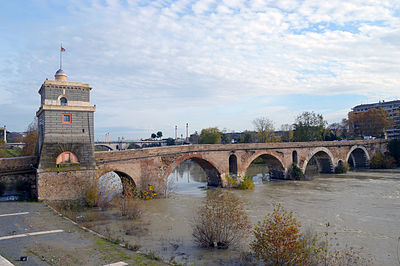
10.Ponte Milvio5608 votes
Ponte Milvio is an ancient Roman bridge that spans the Tiber River in Rome. Known for its historical significance, it has been a pivotal point for various military and cultural events throughout history.

11.Diocletian's Palace5107 votes
Diocletian's Palace, located in Split, Croatia, is a UNESCO World Heritage Site and one of the most significant Roman ruins outside of Italy. Originally built as a retirement residence for the Roman Emperor Diocletian, it features massive stone walls and intricate architecture.

12.Ostia Antica4307 votes
Ostia Antica is the archaeological site of the ancient port city of Rome, which was once a bustling hub of trade and commerce. Its well-preserved ruins provide insightful glimpses into daily life during the Roman Empire.

13.Villa Adriana4263 votes
Villa Adriana, also known as Hadrian's Villa, is a large Roman archaeological complex located in Tivoli. It served as a retreat for Emperor Hadrian and is remarkable for its grand architecture and expansive gardens.

14.Basilica of Maxentius and Constantine3330 votes
The Basilica of Maxentius and Constantine is a monumental ruin located in the Roman Forum and was the largest building in the forum. Its impressive vaulted ceilings and massive size exemplify Roman engineering prowess.
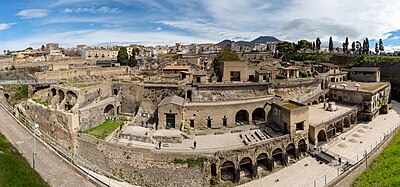
15.Herculaneum3181 votes
Herculaneum is an ancient Roman town that was buried by the eruption of Mount Vesuvius in 79 AD, like Pompeii. Its remarkably preserved remains provide significant insights into Roman life and architecture.


