The human mind remains an enigmatic landscape, filled with perplexing mysteries that science has yet to fully uncover. From the depths of consciousness to the intricacies of memory, these unresolved questions challenge our understanding of human behavior and the very nature of existence.

1.The Nature of Consciousness13301 votes
The nature of consciousness poses one of the most profound questions in psychology and neuroscience, exploring how subjective experience arises from biological processes. Despite advances in brain research, a comprehensive explanation for consciousness remains elusive, leading to ongoing debates and investigations.
💡 The 'hard problem' of consciousness, as coined by philosopher David Chalmers, highlights the difficulty of explaining why and how we have subjective experiences.

2.Memory Formation and Recall10221 votes
Memory formation and recall remain critical yet not entirely understood processes within the human mind, raising questions about how we encode, store, and retrieve information. Factors such as emotion and context can greatly influence our memories, complicating the relationship between recollection and reality.
💡 Research indicates that memories can be reconstructed, which can lead to inaccuracies known as false memories.

3.Autism Spectrum Disorder (ASD)9024 votes
ASD is a complex neurodevelopmental disorder characterized by social communication challenges and repetitive patterns of behavior. The exact causes of autism remain largely unknown, leading researchers to explore genetic, environmental, and neurological factors.
💡 The prevalence of autism has increased dramatically in recent years, sparking conversations about underlying factors.

4.The Subconscious Mind8325 votes
The subconscious mind influences our thoughts, feelings, and behaviors in ways that often go unnoticed, controlling many aspects of our daily lives. Despite its significant role in human psychology, the intricate workings of the subconscious remain poorly understood and are a source of ongoing research and fascination.
💡 Sigmund Freud's theories on the subconscious emphasized its critical importance in understanding human behavior and neuroses.

5.The Turing Test7498 votes
The Turing Test, devised by Alan Turing, is a measure of a machine's ability to exhibit intelligent behavior indistinguishable from a human. This test not only challenges our understanding of artificial intelligence but also prompts deeper philosophical queries about consciousness.
💡 The Turing Test has been a pivotal concept in discussions surrounding AI and machine consciousness.
6.The Mandela Effect7337 votes
The Mandela Effect refers to the phenomenon where a large group of people remember an event or detail differently than how it occurred, named after the false belief that Nelson Mandela died in prison. This mysterious collective misremembering has sparked debates on memory and parallel universes.
💡 The term was coined by Fiona Broome, who discovered that she shared this false memory with others.
7.The Unexplained Phenomenon of Déjà Vu6020 votes
Déjà vu is the sensation that an experience currently being viewed happens to match a prior experience, yet its cause remains largely unexplainable. Despite various theories ranging from neurological explanations to reincarnation, no consensus has been reached about why it occurs.
💡 Some studies suggest that up to 70% of people have experienced déjà vu at least once in their lives.

8.Lucid Dreaming5955 votes
Lucid dreaming is a state in which the dreamer becomes aware that they are dreaming and can potentially control the dream's narrative. This phenomenon raises questions about the boundaries of consciousness and the nature of reality during sleep.
💡 Studies suggest that about 55% of people have experienced at least one lucid dream in their lives.
9.Anterograde Amnesia4927 votes
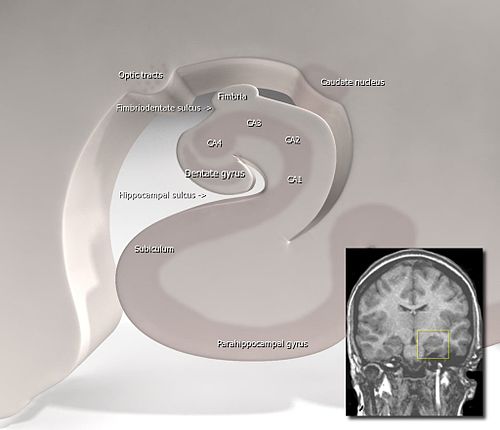
Anterograde amnesia is a condition where individuals lose the ability to form new memories after the event that caused the amnesia. This condition presents a severe challenge to our understanding of how memory works and the brain's intricate processes.
💡 Famous cases include the story of Henry Molaison, known as H.M., who contributed greatly to our understanding of memory.
10.The Enigma of Dreams4690 votes
Dreams have puzzled humanity for centuries, with questions surrounding their meaning and purpose still unresolved. Various theories propose that dreams serve to process emotions, reflect subconscious thoughts, or even provide insights into the future.
💡 Lucid dreaming allows individuals to become aware they are dreaming, sometimes enabling them to control the dream narrative.

11.The Placebo Effect4338 votes
The placebo effect illustrates how patients can experience real psychological and physical improvements due to their belief in the efficacy of a treatment, even if the treatment is inactive. This phenomenon raises questions about the power of the mind and its influence on the body’s healing processes.
💡 Research indicates that the placebo effect can produce real physiological changes in the brain.

12.Synesthesia4170 votes
Synesthesia is a condition where one sense is simultaneously perceived as if by one or more additional senses, such as seeing colors when hearing music. This fascinating overlap challenges traditional views of sensory perception and cognitive processing.
💡 Estimates suggest that synesthesia affects around 4% of the population.
13.Understanding Psychopathy3249 votes
Psychopathy is a complex personality disorder characterized by a lack of empathy, remorse, and often manipulative behavior, yet the exact cause remains a mystery. Ongoing research aims to unravel the biological and environmental factors contributing to this condition.
💡 Psychopathy affects approximately 1% of the population, making it a rare but significant subject of psychological study.
14.Capgras Delusion2910 votes
Capgras delusion is a psychological condition where an individual believes that someone close to them has been replaced by an identical imposter. This bizarre belief raises questions about identity recognition and the workings of the human brain.
💡 It is named after Joseph Capgras, who first described the condition in 1923.
15.The Bygone Era of Phrenology2334 votes
Phrenology, a now-discredited theory, was once believed to reveal personality traits and mental faculties by examining the shape of the skull. Although it has been debunked, it sheds light on historical perspectives of the mind and continues to intrigue historians and psychologists alike.
💡 Phrenology was popular in the 19th century but was largely discredited by the early 20th century.


